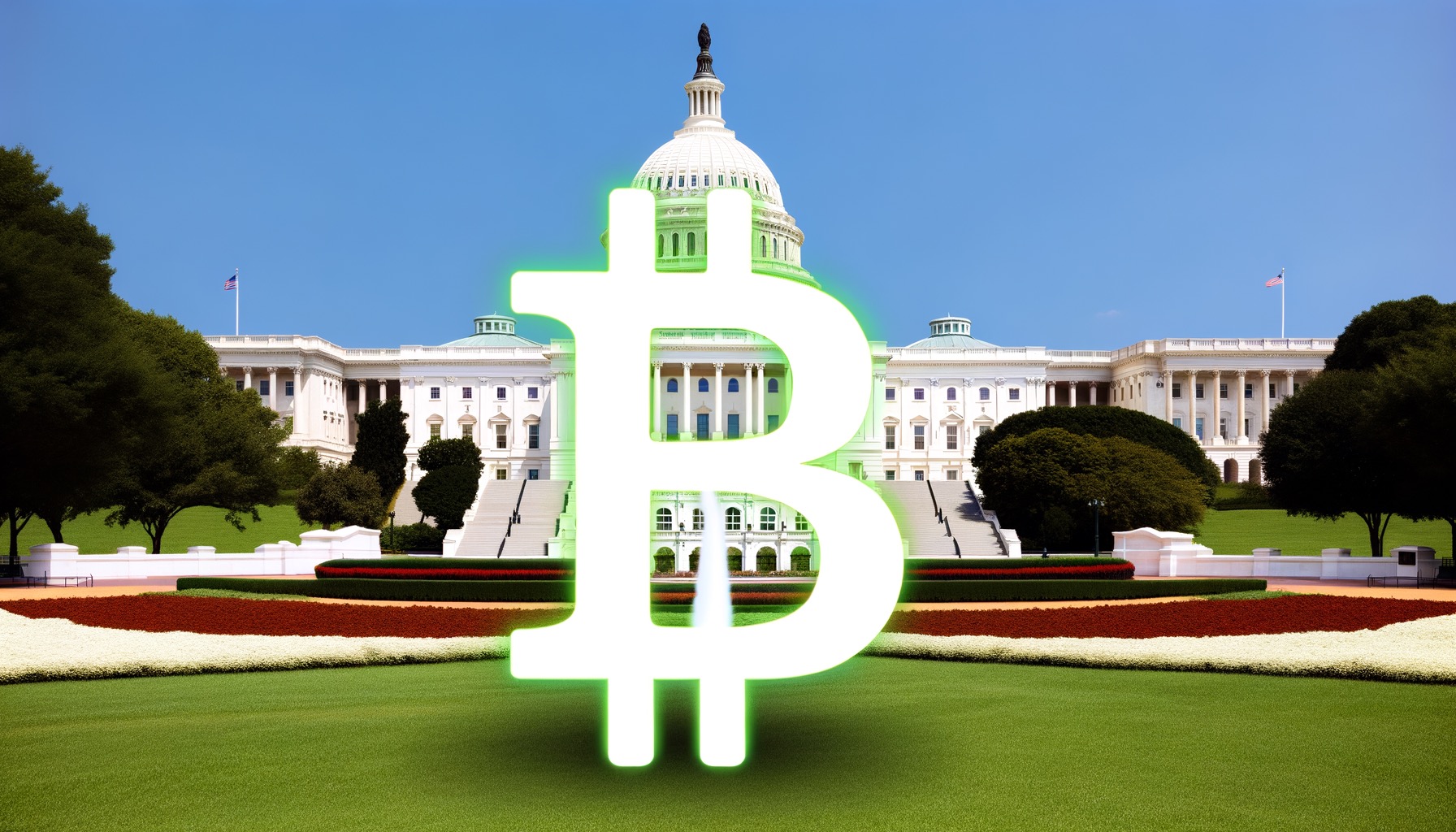
California Representative Maxine Waters has raised alarms over the potential risks of the Trump Coin, a meme coin launched by Donald Trump shortly before his inauguration. Speaking at a House Financial Services Committee meeting, Waters criticised the Republican leadership for failing to prioritise oversight of the controversial cryptocurrency. She warned that the token could open the door to corruption and allow hostile entities to funnel money to the former president under the guise of digital transactions.
Waters highlighted that Trump’s coin, along with a similar project by Melania Trump, has faced criticism for leveraging the presidency to increase personal wealth. She suggested that the rapid increase in memecoin value, surpassing a $14 billion market cap, could expose investors to risks, particularly if major stakeholders sell off their positions.
Despite the controversy, the committee’s new chair, French Hill, has indicated plans to address regulatory gaps in the crypto space. Hill aims to establish clear rules for digital assets to encourage innovation while safeguarding financial systems. However, the growing scrutiny surrounding Trump Coin has intensified debates on whether stricter oversight is needed.
On 20 January, Donald Trump returned to the White House for his second term as President, delivering a speech focused on unity, economic growth, and border control. However, the crypto community noticed a glaring omission—there was no mention of cryptocurrencies or Bitcoin, despite recent developments involving the Trump family in the crypto space, including the launch of their meme coins. The lack of attention to crypto has left the industry uncertain about Trump’s stance, but optimism remains.
The first day of Trump’s second term saw a flurry of executive orders, but none addressed cryptocurrency. Despite hopes for swift action on issues like Bitcoin reserves or crypto advisory councils, the day passed without immediate policy clarity. However, insiders suggest that significant moves are still in the pipeline, including potential executive orders banning central bank digital currencies (CBDCs) and easing restrictions on banks holding digital assets.
Behind the scenes, the Trump family has continued to bet on crypto, with Donald Trump Jr. announcing $120 million in investments across various crypto assets, including Ethereum, Wrapped Bitcoin, and Chainlink. Additionally, key regulatory changes have already begun, with pro-crypto figures taking leadership roles in the SEC and CFTC, which may signal a more favourable regulatory environment for the industry.
Although Trump’s administration has yet to take definitive action on crypto, the market remains hopeful, with Bitcoin maintaining strong performance and hints of regulatory shifts sparking optimism. While the immediate future is unclear, the crypto industry remains eager for what might come next under Trump’s leadership.
Several high-profile crypto influencers are facing backlash after amplifying the story of a purported US Treasury XRP wallet, which has now been exposed as a scam. On 22 January, influencers shared the wallet’s details, claiming it was linked to major institutions like JPMorgan and Bank of America. The story gained momentum on social media platforms but was soon debunked through on-chain analysis, which revealed the wallet was based in the Philippines, not the US Treasury.
The fraudulent wallet, identified by the address ‘rfHhX6hA54LBqA3j7r7EnCs6qyaRK2Lyfq’, was even KYC-verified, which added to its legitimacy. Critics within the crypto community have called out influencers for spreading misinformation, citing examples of previous false claims, including one about Ripple being a Central Bank Digital Currency.
This incident highlights the increasing number of crypto-related scams, which have been rising in tandem with the popularity of social media platforms like X. Recent data shows a dramatic spike in impersonation accounts and phishing schemes, with scammers hijacking major company handles and exploiting technical vulnerabilities in blockchain systems.
The rise in crypto scams serves as a stark reminder for users to be cautious and stay vigilant online.
Robinhood Crypto has officially launched in Spain, enabling users to trade, stake, and invest in cryptocurrencies directly on the platform. The move is part of Robinhood’s broader strategy to expand its presence across the European Union, which has recently introduced clear regulations under the Markets in Crypto-Assets framework.
Since beginning its European expansion in late 2023, Robinhood has gradually rolled out services in several countries, including Italy, Poland, and Lithuania, with tailored features for each market. In October 2024, the platform added crypto transfer capabilities in Europe, allowing users to deposit and withdraw over 24 tokens, one of the region’s most requested features.
To further encourage adoption, Robinhood is offering a limited-time 1% reward on crypto deposits for new users in Spain, helping to attract more participants to the platform.
The US Securities and Exchange Commission has formed a task force to establish clearer regulations for cryptocurrencies. This move, led by acting Chair Mark Uyeda and Commissioner Hester Peirce, signals a shift towards a more collaborative and transparent approach under President Trump’s administration. The task force aims to define clear regulatory boundaries, streamline registration processes, and ensure balanced enforcement measures.
President Trump, embracing his role as a ‘crypto president’, plans to reverse the strict oversight implemented by the previous administration. Industry leaders have long criticised past SEC actions as unclear and overly punitive, urging the need for comprehensive rules tailored to digital assets. The initiative reflects Trump’s broader strategy to promote digital currency adoption and reduce regulatory hurdles.
Executives from companies such as Kraken and Coinbase have welcomed the development as a positive step towards resolving regulatory ambiguity. They expressed optimism that the task force’s efforts could end the era of enforcement-led governance and foster constructive policy-making. Bitcoin surged to an all-time high, reflecting investor enthusiasm for the administration’s crypto-friendly stance.
The task force also aims to support lawmakers in crafting new crypto legislation and coordinate with agencies like the Commodity Futures Trading Commission. Its collaboration is expected to extend beyond US borders, ensuring that policies align with global regulatory standards.
Crypto.com has expanded its services by launching a new platform aimed at institutional investors in the United States. Announced on 21 January, the platform offers advanced trading solutions designed to strengthen the company’s presence in the US market. It complements the existing Crypto.com App, which focuses on retail traders, and offers access to over 300 cryptocurrencies, 480 trading pairs, and features such as advanced order types and automated trading tools.
The platform is tailored to support high-frequency and large-volume trading, with tools like trading bots and sub-account options for active traders. It also allows users to fund accounts via Fedwire transfers and supports low-latency trading and OTC services. Crypto.com’s push into the institutional market follows the ongoing regulatory shifts under the Trump administration, which have brought greater clarity to the cryptocurrency sector.
In addition to this new platform, Crypto.com has recently expanded its US operations by launching the Crypto.com Custody Trust Company and introducing stock and ETF trading for select users. Following meetings between CEO Kris Marszalek and President Trump, the company also withdrew its lawsuit against the SEC. The SEC has since established a crypto task force to develop a clearer regulatory framework for digital assets.
Coinbase has stated it may remove Tether’s stablecoin from its platform, depending on how US regulations evolve under President Donald Trump. CEO Brian Armstrong mentioned that the exchange could delist the $138 billion-dollar-pegged stablecoin if US laws demand it. Armstrong suggested that future stablecoin regulations might require asset reserves to be held in Treasury bonds and subject to regular audits for customer protection.
Tether, which dominates the stablecoin market ahead of competitors like Circle’s USDC and Ripple’s Ripple USD, was previously delisted from Coinbase’s European platform due to noncompliance with the EU’s MiCA framework. Tether’s operator, which holds 80% of its reserves in Treasury bills, publishes regular financial attestations by independent accounting firm BDO Italia, addressing concerns raised after the 2022 market downturn.
Despite these updates, critics argue the attestations don’t fully substitute for audits. Tether’s adherence to potential new US regulations remains uncertain. The company mainly operates in emerging markets and plans to relocate its global headquarters to El Salvador, the first nation to legalise Bitcoin.
Blockchain and cryptocurrencies: transformative forces in modern economies
Blockchain is a digital ledger technology that records transactions securely, transparently, and immutable. It functions as a decentralised database, distributed across a network of computers, where data is stored in blocks linked together in chronological order. Each block contains a set of transactions, a timestamp, and a unique cryptographic hash that connects it to the previous block, forming a continuous chain.
The decentralised nature of blockchain means that no single entity has control over the data, and all participants in the network have access to the same version of the ledger. This structure ensures that transactions are tamper-proof, as altering any block would require changing all subsequent blocks and gaining consensus from the majority of the network. Cryptographic techniques and consensus mechanisms, such as proof of work or proof of stake, secure the blockchain, verifying and validating transactions without the need for a central authority.
Initially introduced as the underlying technology for Bitcoin in 2009, blockchain has since evolved to support a wide range of applications beyond cryptocurrencies. It enables smart contracts—self-executing agreements coded directly onto the blockchain—and has found applications in industries such as finance, supply chain management, healthcare, and voting systems. Blockchain’s ability to provide transparency, enhance security, and reduce the need for intermediaries has positioned it as a transformative technology with the potential to reshape the way information and value are exchanged globally. Cryptocurrency is a form of digital or virtual currency that relies on cryptography for security and operates on decentralised networks, typically powered by blockchain technology. Unlike traditional currencies issued and regulated by governments or central banks, cryptocurrencies are not controlled by any central authority, which makes them resistant to censorship and manipulation.
At its core, cryptocurrency functions as a digital medium of exchange, allowing individuals to send and receive payments directly without the need for intermediaries like banks. Transactions are recorded on a blockchain, ensuring transparency, immutability, and security. Each user has a unique digital wallet containing a private key, which grants them access to their funds, and a public key, which serves as their address for receiving payments.
Cryptocurrencies often rely on consensus mechanisms like proof of work or proof of stake to validate transactions and maintain the integrity of blockchain. Bitcoin, the first cryptocurrency, was launched by an anonymous entity known as Satoshi Nakamoto, to create a decentralised and transparent financial system. Since then, thousands of cryptocurrencies have emerged, each with its own unique features and use cases, ranging from smart contracts on Ethereum to stablecoins designed to minimise price volatility.
Cryptocurrencies can be used for various purposes, including online payments, investments, remittances, and decentralised finance. While they offer benefits such as lower transaction fees, financial sovereignty, and global accessibility, they also face challenges like regulatory uncertainty, price volatility, and scalability issues. Despite these challenges, cryptocurrencies have become a transformative force in the global economy, driving innovation and challenging traditional financial systems.
Regulation necessity
The need for cryptocurrency regulation arises from the rapid growth and widespread adoption of digital assets, which present both opportunities and risks for individuals, businesses, and governments. While cryptocurrencies offer numerous benefits, such as financial inclusion, decentralised finance, and cross-border transactions, their unique characteristics also create challenges that necessitate oversight to ensure the integrity, stability, and safety of financial systems.
One primary reason for regulation is to protect consumers and investors. The crypto market is highly volatile, with prices often experiencing extreme fluctuations. This instability exposes investors to significant risks, and the lack of oversight has led to numerous cases of fraud, scams, and Ponzi schemes. Regulation can establish safeguards, such as requiring exchanges to implement transparency, security measures, and fair practices, which help protect users from financial losses.
Another critical driver for regulation is the need to combat illicit activities. The pseudonymous nature of cryptocurrencies can make them attractive for money laundering, terrorist financing, tax evasion, and other illegal purposes. By enforcing Know Your Customer (KYC) and Anti-Money Laundering (AML) requirements, regulators can minimise these risks and ensure that digital assets are not exploited for unlawful activities.
Regulation is also necessary to enhance market stability and confidence. The crypto space has seen incidents such as exchange hacks, sudden bankruptcies, and the collapse of major projects, which have caused significant disruptions and undermined trust in the ecosystem. Regulatory frameworks can help ensure the resilience and security of the infrastructure supporting cryptocurrencies, fostering a more stable environment.
Furthermore, as cryptocurrencies increasingly integrate into the global economy, regulation is vital to maintain financial stability. Unregulated digital assets could potentially disrupt traditional economic systems, challenge monetary policies, and create systemic risks. By introducing clear rules for the interaction between cryptocurrencies and traditional finance, regulators can prevent market manipulation and mitigate risks to the broader economy.
Finally, regulatory clarity can encourage legitimacy and adoption. A well-regulated crypto market can attract institutional investors, foster innovation, and create opportunities for businesses while addressing the concerns of sceptics and governments. Clear and consistent regulatory frameworks can also ensure fair competition and enable the crypto industry to coexist with traditional financial systems.
Cryptocurrency regulation is necessary to protect users, prevent misuse, stabilise markets, safeguard economies, and promote broader adoption. Striking the right balance is essential to supporting innovation while addressing risks, enabling cryptocurrencies to realise their full potential as a transformative financial tool.
The future of crypto regulation worldwide
Global crypto regulation is a complex and evolving landscape, as governments and regulatory bodies around the world approach the issue with varying degrees of acceptance, restriction, and oversight. Cryptocurrencies, by their nature, operate on decentralised networks that transcend borders, making regional or national regulation a challenging task for policymakers. Governments worldwide are introducing rules to govern digital assets, with organisations like the International Organization of Securities Commissions (IOSCO) and the World Economic Forum (WEF) emphasising the need for consistent global standards. IOSCO has outlined 18 key recommendations for managing crypto and digital assets, while the WEF’s Pathways to the Regulation of Crypto-Assets provides an overview of recent regulatory developments and highlights the necessity of international alignment in overseeing this rapidly evolving industry.
Although regulatory discussions around crypto assets have been ongoing for years, recent crises, including the collapse of crypto-friendly banks and platforms like FTX, have heightened the urgency for clear rules. These incidents have accelerated the drive for stricter accounting and reporting standards.
Some countries have adopted pro-crypto stances, recognising the technology’s potential for economic growth and innovation. These nations often implement clear regulatory frameworks that encourage blockchain development and crypto adoption while addressing risks such as fraud, money laundering, and tax evasion. For instance, countries like Switzerland, Singapore and El Salvador have established themselves as crypto-friendly hubs by offering favourable regulatory environments that support blockchain startups and initial coin offerings (ICOs).
Conversely, other nations take a more restrictive approach, either banning cryptocurrencies outright or imposing strict controls. Many countries have implemented comprehensive bans on cryptocurrency trading and mining, citing concerns over financial stability, capital flight, and environmental impacts. Some governments are cautious about the use of cryptocurrencies in illicit activities such as money laundering and terrorism financing, leading to calls for stricter KYC and AML requirements. At the international level, organisations such as the Financial Action Task Force (FATF) have introduced guidelines aimed at harmonising cryptocurrency regulations across borders. These guidelines focus on combating financial crimes by requiring cryptocurrency exchanges and service providers to implement measures such as customer identification and transaction reporting. In addition to regulating existing cryptocurrencies, many central banks are exploring the development of Central Bank Digital Currencies (CBDCs) These government-backed digital currencies aim to provide the benefits of cryptocurrencies, such as faster payments and increased financial inclusion, while maintaining centralised control and regulatory oversight.
Overall, global cryptocurrency regulation is dynamic and fragmented, reflecting the varying priorities and perspectives of different jurisdictions. While some countries embrace cryptocurrencies as tools for innovation and financial empowerment, others prioritise control and risk mitigation. The future of crypto regulation is likely to involve a blend of international cooperation and national-level policymaking, as regulators strive to strike a balance between fostering innovation and addressing the challenges posed by this transformative technology.
Let us examine a few examples of regulations.
US cryptocurrency regulation progress
The United States has made slow but steady progress toward establishing a regulatory framework for cryptocurrencies. Legislative efforts like the Financial Innovation and Technology for the 21st Century Act (FIT21) and the Blockchain Regulatory Certainty Act aim to define when cryptocurrencies are classified as securities or commodities and clarify regulatory oversight. Although these bills have yet to gain significant traction, they lay the foundation for future advancements in crypto regulation.
However, Donald Trump’s incoming administration has pledged to position the US as a global leader in cryptocurrency innovation. Plans include creating a Bitcoin strategic reserve, revitalising crypto mining, and pursuing deregulation. The expected nomination of cryptocurrency advocate Paul Atkins as SEC chair has fueled optimism within the industry, raising hopes for a more collaborative and forward-thinking approach to digital asset regulation.
While deregulation is a priority, the sector still requires new rules to address its complexities. Key areas for clarification include defining when crypto assets qualify as securities under the Howey test and refining enforcement strategies to focus on fraud prevention without stifling innovation. Addressing the treatment of secondary crypto trading under securities laws could further enhance the competitiveness of US-based exchanges and keep crypto projects in the country.
By balancing deregulation with essential safeguards, the incoming administration could foster an environment of growth and innovation while ensuring compliance and investor protection. The groundwork being laid today may help shape a thriving future for the US cryptocurrency landscape.
Russia strengthens crypto rules
Russia has taken a significant step in regulating cryptocurrency by introducing new rules aimed at integrating digital assets into its financial system while maintaining economic stability. As of 11 January 2025, the Bank of Russia requires contracts involving digital rights—such as cryptocurrencies, tokenised securities, and digital tokens—used in foreign trade to be registered with authorised banks. This applies to import contracts exceeding RUB 3 million and export contracts over RUB 10 million, underscoring the country’s intent to balance oversight with operational efficiency in international trade.
The regulations also mandate residents to provide detailed documentation on crypto transactions tied to these contracts. These include records of digital asset transfers or receipts used as payments, along with information on related foreign exchange operations. This level of scrutiny is designed to enhance transparency and mitigate risks, reflecting Russia’s broader goal of establishing a secure and efficient framework for digital assets.
While the move could promote wider adoption of cryptocurrencies by offering regulatory clarity, it also imposes additional compliance obligations on businesses and investors. As digital assets gain prominence in the global economy, Russia aims to leverage their potential while ensuring they are used responsibly within its financial system.
The Bank of Russia’s initiative represents a pivotal moment in the evolution of the nation’s digital financial landscape. Market participants will need to adapt to these changes and navigate the new regulatory environment as Russia positions itself at the forefront of crypto regulation.
China’s complex crypto landscape
China has had a complicated relationship with cryptocurrency, once holding the largest market for Bitcoin transactions globally before a crackdown began in 2017. Despite these regulatory restrictions, the blockchain industry in China remains a leader, with over 5,000 blockchain-related companies. China’s government continues to restrict domestic cryptocurrency trading and initial coin offerings (ICOs), citing concerns over volatility, anonymous transactions, and lack of centralised control. However, major blockchain companies like Binance and Huobi remain influential, and China still leads in blockchain projects globally.
Legally, China does not recognise cryptocurrency as legal tender. Instead, it considers them virtual commodities. Since 2013, the government has implemented several regulations aimed at restricting cryptocurrency trading and protecting investors. These regulations include a ban on domestic cryptocurrency exchanges, and ICOs, as well as the participation of financial institutions in cryptocurrency activities. Although the country has not passed comprehensive cryptocurrency legislation, the government has consistently emphasised that trading virtual currencies carries risks for individuals.
China has also addressed the taxation of cryptocurrency profits. Income generated from trading virtual currencies is subject to individual income tax, specifically categorised under ‘property transfer income.’ Tax authorities require individuals to report the purchase price and taxes, with the government stepping in to determine prices if proof is not provided. The approach demonstrates China’s ongoing control over cryptocurrency activities within its borders.
Despite the regulatory restrictions, China’s blockchain sector remains robust and influential. The government is clearly focused on managing the risks associated with digital currencies while fostering blockchain innovation, which is likely to continue to influence global cryptocurrency trends.
EU’s comprehensive crypto framework
At the forefront of regulatory efforts is the European Union, which unveiled its comprehensive regulatory framework known as the Markets in Crypto-Assets Act (MiCA) in 2020. After nearly three years of development, MiCA was approved by the European Parliament in April 2023, with the enactment date set for 30 December 2024. The MiCA framework aims to create legal clarity and consistency across the EU, streamlining the regulatory approach to crypto assets. Before MiCA, crypto firms in the EU had to navigate a complex landscape of varying national regulations and multiple licensing requirements, but the new legislation provides a unified licensing structure, which will apply across all 27 member states.
MiCA applies to all crypto assets that fall outside traditional EU financial regulations, covering everything from electronic money tokens (EMTs) and asset-referenced tokens (ARTs) to other types of crypto assets. These assets are defined based on how they function and are backed. EMTs, for example, are digital assets backed by a single fiat currency, while ARTs are pegged to a basket of assets. MiCA does not automatically apply to non-fungible tokens (NFTs) unless they share characteristics with other regulated assets. Additionally, decentralised applications (dApps), decentralised finance (DeFi) projects, and decentralised autonomous organisations (DAOs) may not be fully subject to MiCA, unless they do not meet the criteria for decentralisation.
Businesses that offer crypto-asset services, known as crypto-asset service providers (CASPs), are at the heart of MiCA’s regulatory scope. These include entities involved in cryptocurrency exchanges, wallet services, and crypto trading platforms. Under MiCA, CASPs will need to obtain authorisation to operate across the EU, with a unified process that eliminates the need for multiple licenses in each country. Once authorised, these businesses can offer services across the entire EU, provided they comply with requirements around governance, capital, anti-money laundering, and data protection.
MiCA also introduces important provisions for stablecoins, particularly fiat-backed stablecoins, which must be backed by a 1:1 liquid reserve. However, algorithmic stablecoins—those that do not have explicit reserves tied to traditional assets—are banned. Issuers of EMTs and ARTs will be required to obtain authorisation and provide whitepapers, outlining the characteristics of the assets and the risks to prospective buyers. MiCA’s regulations are designed to protect consumers, reduce market manipulation, and ensure that crypto activities remain secure and transparent.
This regulatory shift is expected to reshape the crypto landscape in the EU, offering businesses and consumers clearer protections and encouraging market integrity. As MiCA comes into effect in 2025, its impact is likely to reverberate beyond Europe, as other nations look to adopt similar frameworks for managing digital assets.
Japan’s evolving crypto regulations
Japan is considering lighter regulations for cryptocurrency intermediaries that are not crypto exchanges. The Financial Services Agency (FSA) recently proposed this to the Financial System Council, following Japan’s early cryptocurrency regulation after the Mt. Gox hack. Currently, crypto intermediaries such as apps or wallets that connect users to exchanges must register as crypto asset exchange service providers (CAESPs), but many do not handle customer funds directly.
To reduce the regulatory burden, the FSA is exploring a system where intermediaries would register, provide user information, follow advertising restrictions, and potentially be liable for damages. They might also be required to maintain a security deposit, with exchanges absorbing liability for affiliated intermediaries. This proposal aims to create a more flexible regulatory framework for crypto-related businesses that do not operate exchanges.
Brazil’s new crypto market law
In late 2022, the National Congress approved a bill regulating the cryptocurrency market, focusing on areas like competition, governance, security, and consumer protection. The Central Bank of Brazil (BCB) and the Securities and Exchange Commission (CVM) will oversee its implementation. While there was no specific crypto regulation before, the new law will require companies, including exchanges, to obtain licenses, register with the Brazilian National Registry of Legal Entities (CNPJ), and report suspicious activities to the Council for Financial Activities Control (COAF).
The regulation mandates KYC (Know Your Customer) and KYT (Know Your Transaction) practices to combat money laundering. It also aligns with the Penal Code of Brazil, enforcing penalties for fraud and crimes. Notably, exchanges must separate client assets from company assets, a provision not yet included in the law but proposed by the Brazilian Association of Cryptoeconomics (ABCripto).
The law was set to take effect between May and June 2023, with full implementation, including licensing rules, expected by 2025. While the decentralised nature of the global crypto market presents challenges, the new regulatory framework aims to offer greater security and attract more investors to the growing Brazilian crypto market.
UK push for crypto regulation
The United Kingdom has taken significant steps to regulate digital currencies, mandating that any company offering such services must obtain proper authorisation from the Financial Conduct Authority (FCA). This regulation is part of a broader effort to establish a clear and secure framework for digital assets, including cryptocurrencies and digital tokens, within the UK financial ecosystem. One area of particular focus is stablecoins, which are digital currencies pegged to stable assets, such as the US dollar or the British pound. Stablecoins have garnered attention for their potential to revolutionise the payments sector by offering faster and cheaper transactions compared to traditional payment methods.
The Bank of England has proposed new regulations specifically targeting stablecoins to maximise their benefits while addressing potential risks. These proposed rules aim to strike a balance between encouraging innovation in digital payments and ensuring the financial system’s stability. The regulations are designed to ensure that stablecoins do not pose risks to consumer protection or the integrity of the financial market, particularly in terms of preventing money laundering and illicit financial activities.
This move highlights the UK’s proactive approach to digital asset regulation, aiming to foster a secure environment where cryptocurrencies and blockchain technologies can thrive without undermining the broader financial infrastructure. The efforts also underscore the UK’s commitment to consumer protection, ensuring that individuals and businesses engaging with digital currencies are properly safeguarded. With this comprehensive regulatory approach, the UK is positioning itself as a leader in the integration of digital currencies into traditional finance, setting a precedent for other nations exploring similar regulatory frameworks.
Kenya΄s crypto regulation attempt
Kenya’s journey with cryptocurrency regulation has evolved from scepticism to a more open stance as the government recognises its potential benefits. Initially, in the early 2010s, cryptocurrencies like Bitcoin were viewed with caution by the Central Bank of Kenya (CBK), citing concerns over volatility, fraud, and lack of consumer protection. This led to a public warning against the use of virtual currencies in 2015. However, the growing global interest in digital currencies, including in Kenya, continued, with nearly 10% of Kenyans owning cryptocurrency by 2022, driven by factors such as financial inclusion and the appeal of blockchain technology.
A turning point for Kenya came in 2018, when the government set up a task force to explore blockchain and the potential of AI, building on the success of mobile money services like M-Pesa. By 2023, the country began assessing money laundering risks associated with virtual assets, signalling a shift in attitude toward cryptocurrencies. By December 2024, the government introduced a draft National Policy on Virtual Assets and Virtual Asset Service Providers (VASPs), outlining a regulatory framework to guide the development of the market.
The proposed regulations include licensing requirements for cryptocurrency exchanges and wallet providers, as well as measures to prevent money laundering and countering and terrorist financing. Consumer protection and cybersecurity are also central to the framework, ensuring that users’ funds and personal data are safeguarded. The draft regulations are open for public consultation until 24 January 2025, with the government seeking input from industry players, consumer groups, and the public.
Kenya’s path from opposition to embracing cryptocurrency reflects a broader trend towards digital financial innovation. By creating a balanced regulatory environment, Kenya hopes to position itself as a leader in Africa’s digital financial revolution, fostering economic growth and financial inclusion, much like the success it achieved with M-Pesa.
The need for a global approach
As we already explained, the international nature of cryptocurrency markets presents unique regulatory challenges. Cross-border activities increase the risk of fraud and investor harm, highlighting the necessity of consistent global standards. The WEF emphasises that international collaboration is “not just desirable but necessary” to maximise the benefits of blockchain technology while mitigating risks.
Differences in market maturity, regulatory capacity, and regional priorities complicate alignment. However, organisations such as IOSCO or the Financial Stability Board (FSB) stress the role of international bodies and national regulators in fostering a unified regulatory framework. A global approach would not only enhance consumer protections but also create an environment conducive to innovation, ensuring the responsible evolution of cryptocurrency markets.
As the crypto ecosystem evolves, governments and international organisations are working to balance innovation and regulation. By addressing the challenges posed by digital assets through comprehensive, coordinated efforts, the global community aims to create a stable and secure financial environment in the digital age.
Vivek Ramaswamy, former presidential candidate, has stepped down from his role at the Department of Government Efficiency (DOGE), leaving Elon Musk as its sole leader. Ramaswamy announced his departure shortly after Donald Trump began his second term as President. In a statement, he expressed confidence in Musk and the team’s ability to streamline government operations.
Ramaswamy, a native of Ohio, is reportedly preparing to stand for governor in his home state, aiming to succeed Mike DeWine in the 2026 election. Anna Kelly, an official at DOGE, confirmed his plans to pursue elected office, which required him to resign due to the advisory group’s rules prohibiting involvement in political campaigns.
Sources suggest growing tensions with Musk may have influenced Ramaswamy’s decision, particularly after a December post in which he criticised American culture. The clash reportedly added to friction within Trump’s circle, hastening his exit.
Meanwhile, DOGE faces scrutiny over its scaled-back budget-cutting goals, with critics questioning its ability to deliver meaningful results. Initially promising to reduce federal spending by $2 trillion, the group’s revised target now stands at $1 trillion under Musk’s leadership.
Jobseekers are being targeted by a sophisticated scam that disguises malware as interview invitations. Masquerading as legitimate offers, these fraudulent emails claim to originate from reputable companies like CrowdStrike, a cybersecurity firm. However, the links they contain redirect victims to malicious websites, leading to the download of cryptomining software.
The malware, once installed, hijacks a computer’s CPU and GPU to mine cryptocurrency. This process severely degrades system performance, causing unresponsiveness, overheating, and increased energy consumption. The software also runs covertly, making it challenging to detect until significant harm is done.
CrowdStrike has acknowledged the scam, urging jobseekers to verify recruitment emails and avoid downloading files from unknown sources. Experts advise using robust antivirus software and remaining vigilant against unsolicited links or downloads during the job application process.
As cybercriminals continually innovate, individuals must exercise caution online. Even scams aimed at exploiting system resources can pave the way for far more invasive attacks, including financial theft and personal data breaches.