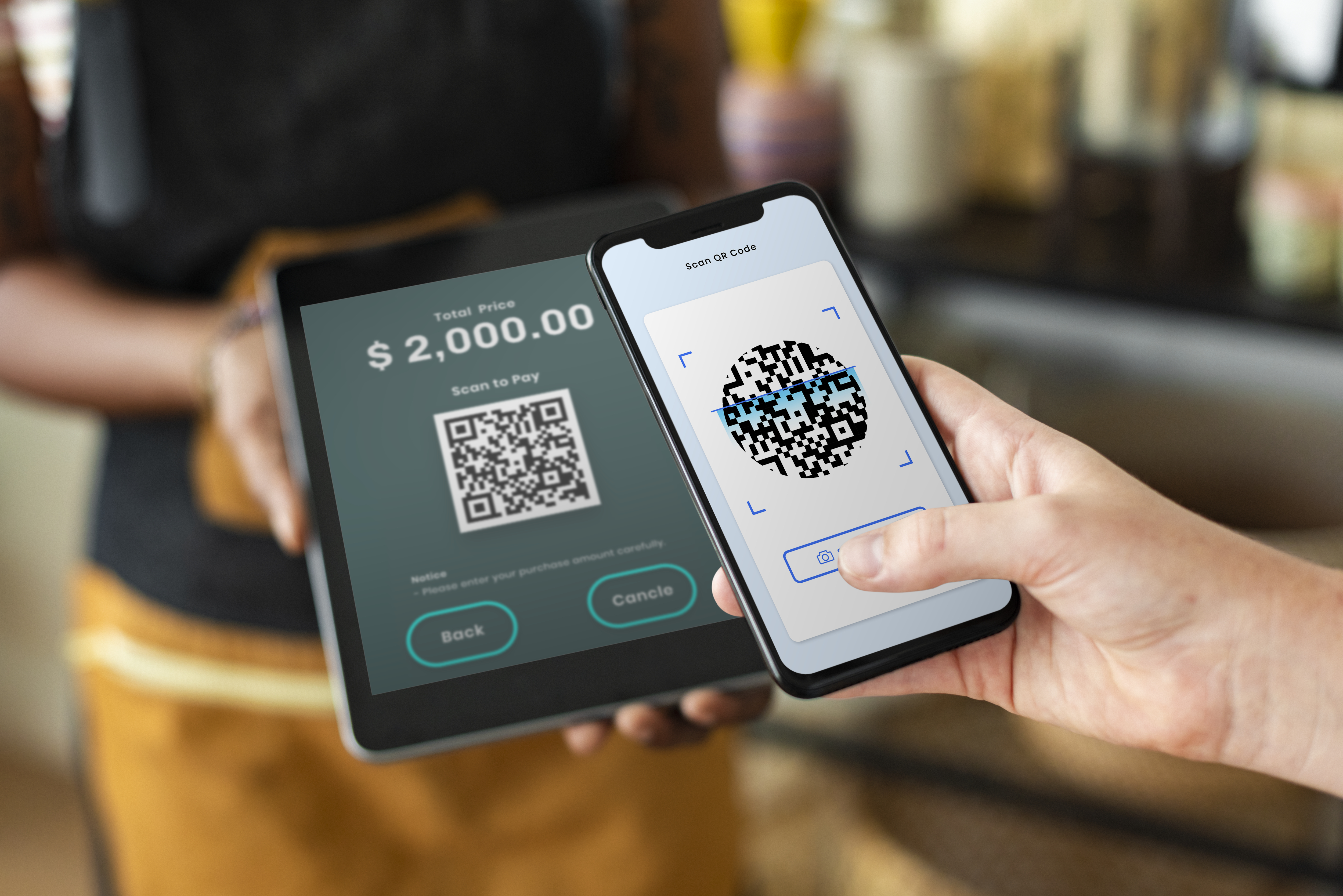
Stablecoins are becoming central to a new financial system, says Coinbase. The crypto exchange believes it will soon replace traditional payment networks and power transactions by people and AI agents.
Coinbase vice president Shan Aggarwal described stablecoins as the ‘future of global payments,’ especially when combined with self-custodial wallets. These internet-native bank accounts could expand digital commerce to billions, including those without access to traditional banking.
The firm is building tools like x402 and AgentKit to support AI agents that can autonomously send, receive, and manage stablecoins. Such systems are designed to work around the clock, without the limits of legacy infrastructure.
Beyond the crypto sector, Coinbase sees stablecoins transforming payments for small businesses and underserved regions. By 2030, the company expects nearly everyone online to interact with them, whether knowingly or not.
Would you like to learn more about AI, tech and digital diplomacy? If so, ask our Diplo chatbot!
Tokenisation can remove barriers to green energy investment, allowing more involvement beyond institutional players, says Mete Al, Co-founder of ICB Labs.
Individuals could invest smaller sums and earn passive income by turning assets like solar farms into fractional digital tokens. It allows them to support renewable energy without owning physical infrastructure.
High costs and trust issues limit access to sustainable projects, but blockchain tools can boost confidence and ensure fair rewards.
ICB Labs is already working on a tokenised solar project for 2026. Al emphasises that strong governance and flexible regulation, including regulatory sandboxes, are essential to support innovation in decentralised climate finance.
Would you like to learn more about AI, tech and digital diplomacy? If so, ask our Diplo chatbot!
Cyberattacks and scams have already cost the crypto sector more than $3.1 billion in 2025, marking one of the most damaging years. Hacken’s mid-year report reveals that access control failures and social engineering tactics remain the primary culprits.
The most significant single incident occurred in Q1, when Bybit suffered a $1.5 billion breach, accounting for 83% of all Q1 losses. Access control weaknesses were responsible for around $1.83 billion, or 59% of funds lost across both DeFi and CeFi platforms.
Decentralised finance projects were hit particularly hard, with $300 million drained in Q2 alone. Smart contract vulnerabilities contributed to $263 million in losses, including a $223 million hit in the Cetus exploit.
Meanwhile, phishing scams reached new heights, with one incident in April involving a $330 million Bitcoin theft.
Q2 had fewer access breaches than Q1, but single leaks caused rapid, large-scale losses. Hacken’s report concludes that improved cybersecurity is essential for building trust and protecting innovation in the growing blockchain space.
Would you like to learn more about AI, tech and digital diplomacy? If so, ask our Diplo chatbot!
Despite growing visibility and political support, cryptocurrencies remain on the fringes for most Americans. A new Gallup poll shows that only 14% of US adults currently own digital assets—an increase since 2018, yet still a small minority.
Sixty percent say they have no interest in ever purchasing cryptocurrencies, and only 4% plan to buy shortly.
Ownership is notably higher among men aged 18–49, especially those with higher incomes and university degrees. In contrast, women, older adults, and low-income groups show limited participation.
Even among investors with over $10,000 in traditional assets, only 17% hold crypto, though this is a notable jump from 2% in 2018.
Public understanding of cryptocurrencies remains limited. While most respondents have heard of them, only 35% say they understand how they work.
Even among those with some knowledge, 64% label crypto as ‘very risky’—a figure that has increased since 2021.
The crypto sector’s volatility, scandals like FTX, and lingering security concerns continue to shape sentiment. Although regulation has improved and political attitudes have shifted, trust remains low. Only 4% of Americans consider crypto the best option for long-term investment.
Would you like to learn more about AI, tech and digital diplomacy? If so, ask our Diplo chatbot!
Bank of England Governor Andrew Bailey has called for urgent digital upgrades to the UK’s retail payments system to support future growth.
At the Mansion House dinner, he said upgrading infrastructure is vital to support the economy and stay globally competitive.
Bailey remains sceptical about launching a digital pound. While he acknowledged that stablecoins may have a future role, he stressed they must not replace commercial bank money and must be appropriately regulated.
He also warned against global banks issuing their stablecoins, which could reduce lending capacity.
He went on to express concern over rising global trade tensions, calling the shift in policy ‘the most sudden and fundamental’ in decades.
Bailey urged the IMF and WTO to step in and help restore cooperation in the international trading system.
Would you like to learn more about AI, tech and digital diplomacy? If so, ask our Diplo chatbot!
Christie’s International Real Estate has established a dedicated team that specialises in cryptocurrency transactions. It has become the first major US brokerage to handle home sales exclusively with digital assets.
The unit emerged after several high-profile deals, including a $65 million purchase in Beverly Hills, signalling growing demand from buyers seeking privacy and faster payments.
The new division manages a portfolio exceeding $1 billion in properties available solely for crypto purchase. Notable listings include the Invisible House in Joshua Tree and La Fin in Bel Air.
Transactions often maintain buyer anonymity, with legal representatives verifying funds and many buyers using LLCs funded by crypto, reducing transparency compared to traditional bank-backed purchases.
Favourable US regulatory changes, such as the GENIUS Act and evolving policies from housing authorities, support this shift. Aaron Kirman, Christie’s Southern California CEO, predicts crypto may make up over a third of US home sales within five years, attracting wealthy digital asset investors.
Would you like to learn more about AI, tech and digital diplomacy? If so, ask our Diplo chatbot!
The recently passed GENIUS Act has sparked a $4 billion increase in the stablecoin market within a week, pushing its total value beyond $264 billion. The legislation offers clear federal rules, encouraging banks, asset managers, and crypto firms to launch new fiat-backed stablecoins.
Under the GENIUS Act, issuers must hold full reserves, undergo audits, and obtain licences to avoid SEC enforcement. Tether’s USDT and Circle’s USDC dominate this space with a combined market cap of over $227 billion.
Crypto-backed and algorithmic stablecoins remain less prominent and face distinct regulatory challenges.
Institutional involvement is rising quickly. Anchorage Digital teamed with Ethena Labs to launch a stablecoin platform, while WisdomTree introduced a regulated dollar-backed stablecoin.
Major banks, including Bank of America, JPMorgan, and Citigroup, are also preparing to enter the market, signalling broader traditional finance engagement.
Would you like to learn more about AI, tech and digital diplomacy? If so, ask our Diplo chatbot!
The iShares Ethereum Trust (ETHA), managed by BlackRock, has surpassed $10 billion in assets under management just over a year after launch. It now ranks as the third-fastest ETF in US history to reach the milestone, trailing only two Bitcoin-focused funds.
According to Bloomberg’s Eric Balchunas, ETHA doubled from $5 billion to $10 billion in just 10 days. July brought a notable surge in inflows, with Ethereum ETFs outperforming Bitcoin ETFs on several occasions.
So far, monthly Ethereum ETF inflows have reached $4.7 billion, with ETHA leading in volume and growth.
The rapid growth has been driven by increasing institutional demand and investor confidence in Ethereum’s long-term prospects. BlackRock filed for ETHA in late 2023 and selected Coinbase Prime as custodian.
The fund tracks Ether’s market price, charges a 0.25% fee, and may soon introduce staking following favourable SEC guidance.
Analysts say ETH’s proof-of-stake model and its role in decentralised finance have made it increasingly attractive. While Bitcoin funds still dominate total assets, Ethereum ETFs are growing faster due to more substantial DeFi exposure and the potential for staking rewards.
Would you like to learn more about AI, tech and digital diplomacy? If so, ask our Diplo chatbot!
According to Hacken’s latest research, the crypto sector has already recorded more than $3.1 billion in losses during the first half of 2025. That figure already exceeds 2024, mainly due to access control flaws, phishing, and AI-driven exploits.
Access control remains the most significant weakness, responsible for almost 60% of recorded losses. The most severe breach was the Bybit attack, where North Korean hackers exploited a wallet signer vulnerability to steal $1.46 billion.
Other incidents include UPCX’s $70 million loss, a manipulated price oracle exploit on KiloEx, and insider fraud involving the Roar staking contract.
Phishing and social engineering continue to evolve, accounting for nearly $600 million in stolen funds. One victim reportedly lost $330 million in Bitcoin, while fake Coinbase support calls drained over $100 million from user wallets.
Meanwhile, AI-related hacks have exploded in volume, increasing by more than 1,000% compared to last year. Most of these incidents stem from insecure APIs and flaws in large language model integrations.
Experts warn that smarter attackers and Web3’s fragmented security practices demand a stronger approach. Hacken advises combining blockchain standards with off-chain protections and better training to stay ahead of threats.
Would you like to learn more about AI, tech and digital diplomacy? If so, ask our Diplo chatbot!
Nigeria’s top markets regulator is open to stablecoin ventures to revive the digital asset sector after last year’s Binance crackdown. At the Nigeria Stablecoin Summit, SEC Director-General Emomotimi Agama highlighted support for firms following evolving regulations.
He envisions Nigeria becoming a stablecoin hub in the global south, powering cross-border trade across Africa within five years.
The SEC has already onboarded stablecoin-focused companies through its regulatory sandbox, reflecting a broader strategy to lead digital innovation. Agama acknowledged stablecoins as vital to the crypto ecosystem but warned of national security risks, underscoring the need for careful regulation.
His comments come following the high-profile arrest and release of Binance executive Tigran Gambaryan amid Nigeria’s previous crypto crackdown.
While the new stance suggests a regulatory easing, experts caution that rebuilding trust with global firms will take time. Industry leaders stress the need for clear legal frameworks, reliable fiat access, and consistent enforcement to attract investment and restore liquidity.
Nigeria’s path to becoming a stablecoin hub hinges on sustained policy stability and meaningful re-engagement with crypto players.
Would you like to learn more about AI, tech and digital diplomacy? If so, ask our Diplo chatbot!