The Epoch Times, a US-based media outlet critical of the Chinese Communist Party (CCP), has declared China’s digital yuan project a failure. The publication links this claim to the downfall of Yao Qian, the former head of the Digital Currency Research Institute, who was recently expelled from the CCP over corruption allegations. Yao’s dismissal, coupled with slowing developments, has raised doubts about the future of the central bank digital currency (CBDC).
Since its launch in 2014, the digital yuan has been heavily promoted by President Xi Jinping as a transformative payment tool. However, public adoption has reportedly been slow, with surveys suggesting 90% of respondents have never encountered the digital currency. Recent CCP messaging has downplayed its role, rebranding the digital yuan as a supplementary payment method rather than a revolutionary system, which critics have interpreted as an admission of failure.
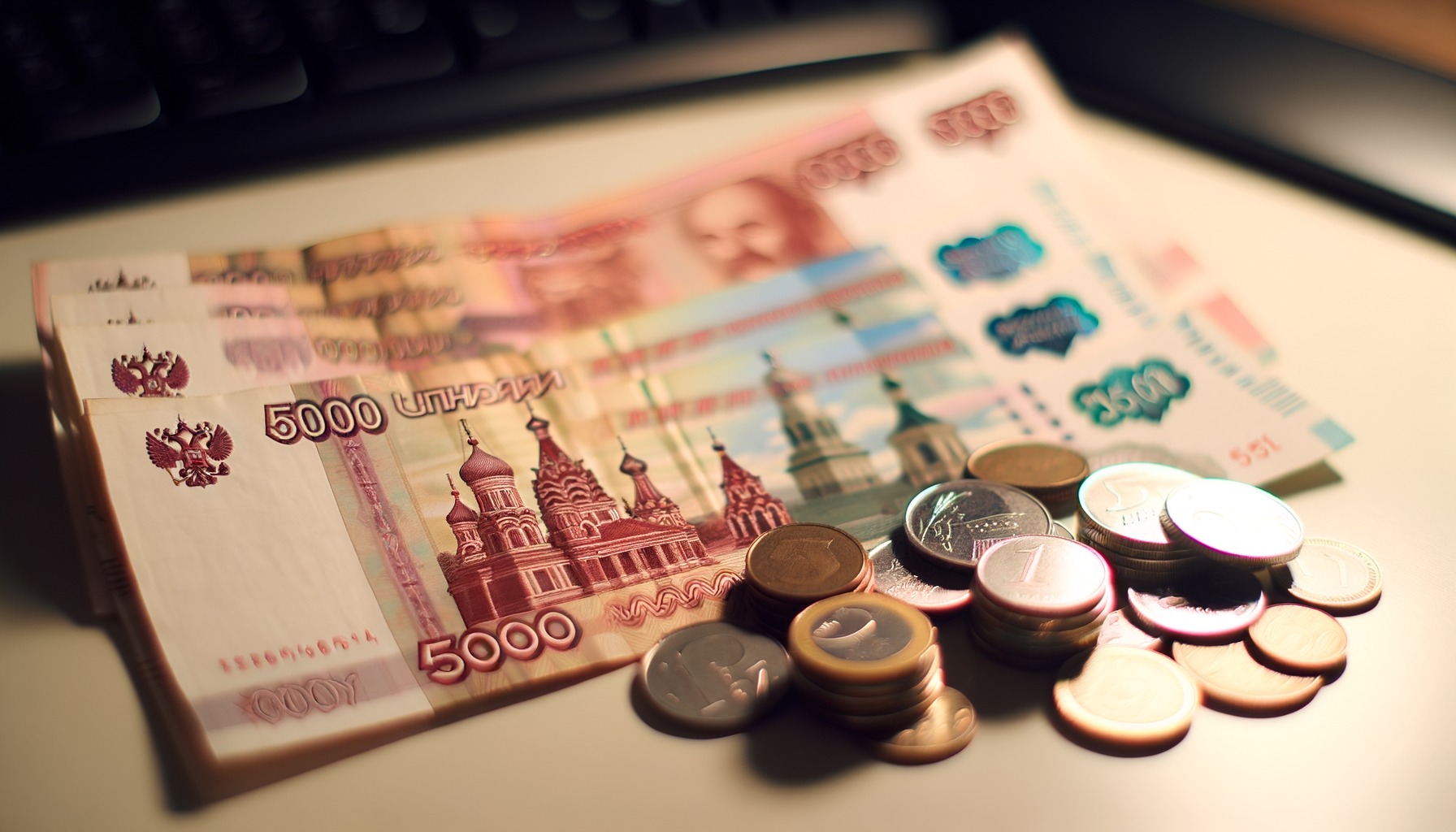
Despite these challenges, some regions, such as Shanghai, are continuing efforts to promote the currency’s use. On the international stage, the BRICS bloc may offer new opportunities for the digital yuan. Recent discussions in Kazan highlighted plans for a shared CBDC system to facilitate cross-border payments, potentially linking the digital yuan with Russia’s upcoming digital rouble and other BRICS currencies.
China’s efforts to internationalise the digital yuan through initiatives like the Belt and Road Initiative and the Regional Comprehensive Economic Partnership suggest the project is far from abandoned. However, its future success may hinge on overcoming domestic scepticism and finding stronger global partnerships.
Phantom, a leading crypto wallet, has expanded its multi-chain functionality by introducing support for Base, Coinbase’s Ethereum-based Layer 2 blockchain. The integration, now fully released after its beta phase, allows users to seamlessly access Base’s ecosystem. Phantom wallet users can now purchase ether and USDC on Base, as well as swap tokens across Base, Ethereum, Solana, and Polygon.
Initially developed as a Solana-exclusive wallet, Phantom transitioned into a multi-chain platform in May 2023 by adding support for Ethereum and Polygon. Co-founder and CEO Brandon Millman has stated that cross-chain interoperability is essential to the future of digital asset management. The company remains committed to providing its users with streamlined tools for navigating and transacting across multiple blockchain networks.
Base has emerged as the largest Layer 2 blockchain in terms of total value locked (TVL), currently holding $3.4 billion. It surpasses competitors such as Arbitrum, which has a TVL of $3 billion. Despite trailing major Layer 1 blockchains like Ethereum, Solana, and Bitcoin, Base ranks sixth overall in the blockchain network hierarchy. Its inclusion in Phantom’s portfolio further cements the wallet’s position as a versatile platform in the crypto space.
The Blockchain Association has sent a letter to president-elect Donald Trump and Congress, outlining key reforms for the crypto industry during the first 100 days of Trump’s administration. The letter, signed by CEO Kristin Smith, highlights the need for new leadership at the IRS and Treasury Department, alongside changes to policies hindering crypto innovation.
Smith criticised inconsistent taxation on digital assets and the IRS’s ‘Broker rule’, which requires brokers to disclose gains and losses on crypto transactions, warning it could drive businesses offshore. The association also called for rolling back the SAB 121 accounting guideline, labelling it ‘punitive’ and harmful to crypto firms.
The letter further urged reforms to end the exclusion of crypto companies from traditional banking, citing the need for fair access to financial services. To support innovation, the Blockchain Association proposed creating a crypto advisory council to work alongside Congress and regulators.
The association emphasised the importance of a balanced regulatory framework to protect consumers while fostering growth, stressing the role of public-private partnerships in establishing effective policies.
ZA Bank, Hong Kong’s largest virtual bank, has introduced a service allowing retail users to trade Bitcoin and Ethereum directly using fiat currency. Announced on 25 November, the new feature requires users to hold a ZA Bank account and complete a risk assessment before accessing the service via the bank’s app.
The service, launched in collaboration with cryptocurrency exchange HashKey, aims to comply with Hong Kong’s regulatory standards while merging traditional banking with digital assets. HashKey’s CEO, Livio Weng, emphasised the partnership’s role in driving the Web3 ecosystem’s growth and enhancing financial offerings for users.
Retail crypto trading in Hong Kong only became available in August 2023, with three licensed exchanges operating under the Securities and Futures Commission. The financial regulator has suggested that additional licences could be granted by the end of the year, signalling growth in the region’s digital asset sector.
Bitcoin exchange-traded funds (ETFs) have seen massive inflows, surpassing $1 billion in a single day. BlackRock’s Bitcoin ETF led the charge with $608 million, followed by Fidelity Wise Origin Bitcoin Fund with $301 million. Other funds, including Bitwise and ARK 21Shares, also contributed to the growing trend.
The surge comes as Bitcoin approaches the $100,000 mark, with analysts predicting it will break the milestone later this month. The cryptocurrency’s rally has been further boosted since Donald Trump’s re-election, with some comparing recent ETF inflows to record-breaking numbers seen on 7 November 2020.
Bitcoin ETFs now manage over $100 billion in assets, putting them on course to rival Satoshi Nakamoto’s estimated holdings. With the recent approval of options trading for Bitcoin ETFs by the SEC, BlackRock has already capitalised on this by introducing options trading earlier this month.
Australia is seeking advice from the Organisation for Economic Co-operation and Development (OECD) to shape its approach to taxing digital assets. The Treasury has asked the OECD for input by January, comparing two potential frameworks: adopting the OECD’s Crypto Asset Reporting Framework (CARF) or customising its own policy to suit local requirements.
CARF is an international standard designed to increase transparency by requiring crypto providers, such as exchanges and wallet services, to report tax-related data. It includes tracking high-value transactions exceeding $50,000 and sharing data between global tax authorities to combat evasion. The Australian government aims to assess whether a standardised or tailored system would best serve its growing crypto market.
Australia boasts one of the largest crypto ATM networks globally, reflecting its high adoption rates, with nearly 20% of the population owning digital assets. The average crypto profit per user rose 17% last year to $9,627, and the number of investors is expected to increase by over two million. Alongside this, the government is also considering policies for a potential digital pound.
The Reserve Bank of India (RBI) is stepping up its efforts to expand its cross-border payments platform, which aims to offer instant settlements with trading partners. Agreements are already in place with Sri Lanka, Bhutan, and Nepal, and India is now looking to include the United Arab Emirates (UAE) in the scheme. This move reflects India’s growing interest in using central bank digital currencies (CBDCs) for more streamlined transactions.
India’s CBDC, currently focused on bank-to-bank operations, is being trialled for potential retail use, though no timeline has been confirmed. The nation has made significant progress with its digital currency programme, with over 5 million users participating in its ongoing pilot. RBI Governor Shaktikanta Das has also announced that offline solutions for the digital rupee are in the works, aimed at addressing connectivity challenges in rural areas.
At a global conference, Das outlined plans to make CBDCs more interoperable, enabling seamless transactions across different systems. However, concerns have been raised by privacy advocates and human rights activists, who warn that centralised digital currencies could threaten individual freedoms and data privacy.
Olga Skorobogatova, First Deputy Governor of Russia’s central bank and a driving force behind the country’s digital payments system, has resigned. Joining the central bank in 2014, Skorobogatova spearheaded major digital initiatives, including the development of the digital rouble and a domestic payment infrastructure that proved critical during Western sanctions after the Ukraine conflict began in 2022.
The central bank praised her strategic vision and technological expertise, which allowed Russia’s financial system to withstand global pressures. “Her contributions have built a payment infrastructure of significant national value,” the bank stated. Skorobogatova, who had previously worked for Societe Generale’s Russian division, will be replaced by her former deputy, Zulfia Kakhrumanova.
The resignation marks the end of a tenure for Skorobogatova, who played a key role in shielding Russia’s financial sector from international sanctions and modernising its banking capabilities. Despite her success, she remains under US sanctions for her role in managing the nation’s financial response to geopolitical challenges.
PayPal has restored its services following a global outage that affected thousands of users for nearly two hours on Thursday. The payments giant reported issues across several platforms, including Venmo, cryptocurrency transactions, and online checkout services, starting at 10:53 GMT. By 12:59 GMT, the company confirmed that all systems were back to normal.
The disruption also caused delays for exchanges like Coinbase and Kraken, which rely on PayPal for transactions and deposits. During the outage, nearly 9,000 user complaints flooded Downdetector, highlighting widespread transaction failures.
The timing of the outage coincided with a surge in bitcoin prices, which exceeded $98,000, sparking heightened activity across cryptocurrency markets. PayPal, a major player in digital payments, enables users to buy, sell, and hold cryptocurrencies, amplifying the impact of the temporary breakdown.
Brazil’s banking sector saw significant profitability improvements in the first half of 2024, led by digital lenders. The central bank’s Financial Stability Report revealed a rise in return on equity (ROE) to 15.11% by June, up from 14.23% at the end of 2023. Digital banks outperformed, achieving a ROE of 19.1%, a sharp jump from 11.45% six months earlier. These gains reflect operational efficiency and reduced provisioning costs.
Institutions like Nubank, Banco Inter, and C6 Bank played a pivotal role in driving digital banking success. Improved credit models and monetisation strategies have helped digital banks outperform traditional lenders, according to the central bank. Years of fostering innovation and competition in the sector have paid off, ensuring digital players maintain robust operational frameworks.
Upcoming regulatory changes in January aim to align financial accounting standards with global norms. The central bank expects provisions to increase by approximately 38 billion reais, though this adjustment will not impact profits or credit issuance. Only a small number of banks have voiced concerns, with the central bank committing to case-by-case support during the transition.
Brazil’s central bank anticipates continued profitability growth across the sector. Aided by stable provisioning costs and effective expense controls, lenders are well-positioned to sustain revenue expansion. Discussions are also underway to explore fresh funding mechanisms for real estate and potential adjustments to reserve requirements.