Singapore Airlines upgrades customer support with AI technology

Singapore Airlines has partnered with OpenAI to enhance its customer support services. The airline’s upgraded virtual assistant will now offer more personalised support to customers and assist staff by automating routine processes and improving decision-making for complex tasks.

The partnership comes alongside Singapore Airlines’ ongoing work with Salesforce to strengthen its customer case management system using AI tech. New solutions will be developed at Salesforce’s AI research hub in Singapore, advancing customer service capabilities and operational efficiency.

These moves reflect a broader industry trend, with airlines like Delta and Air India also investing heavily in AI-driven tools for travel assistance and operational support. The Airline emphasised that AI integration will help it meet regulatory demands, enhance workforce management and elevate customer experience.

Would you like to learn more about AI, tech and digital diplomacy? If so, ask our Diplo chatbot!

UK government urged to outlaw apps creating deepfake abuse images

The Children’s Commissioner has urged the UK Government to ban AI apps that create sexually explicit images through “nudification” technology. AI tools capable of manipulating real photos to make people appear naked are being used to target children.

Concerns in the UK are growing as these apps are now widely accessible online, often through social media and search platforms. In a newly published report, Dame Rachel warned that children, particularly girls, are altering their online behaviour out of fear of becoming victims of such technologies.

She stressed that while AI holds great potential, it also poses serious risks to children’s safety. The report also recommends stronger legal duties for AI developers and improved systems to remove explicit deepfake content from the internet.

Would you like to learn more about AI, tech and digital diplomacy? If so, ask our Diplo chatbot!

SK Telecom begins SIM card replacement after data breach

South Korea’s largest carrier, SK Telecom, began replacing SIM cards for its 23 million customers on Monday following a serious data breach.

Instead of revealing the full extent of the damage or the perpetrators, the company has apologised and offered free USIM chip replacements at 2,600 stores nationwide, urging users to either change their chips or enrol in an information protection service.

The breach, caused by malicious code, compromised personal information and prompted a government-led review of South Korea’s data protection systems.

However, SK Telecom has secured less than five percent of the USIM chips required, planning to procure an additional five million by the end of May instead of having enough stock ready for immediate replacement.

Frustrated customers, like 30-year-old Jang waiting in line in Seoul, criticised the company for failing to be transparent about the amount of data leaked and the number of users affected.

Instead of providing clear answers, SK Telecom has focused on encouraging users to seek chip replacements or protective measures.

South Korea, often regarded as one of the most connected countries globally, has faced repeated cyberattacks, many attributed to North Korea.

Just last year, police confirmed that North Korean hackers had stolen over a gigabyte of sensitive financial data from a South Korean court system over a two-year span.

Would you like to learn more about AI, tech and digital diplomacy? If so, ask our Diplo chatbot!
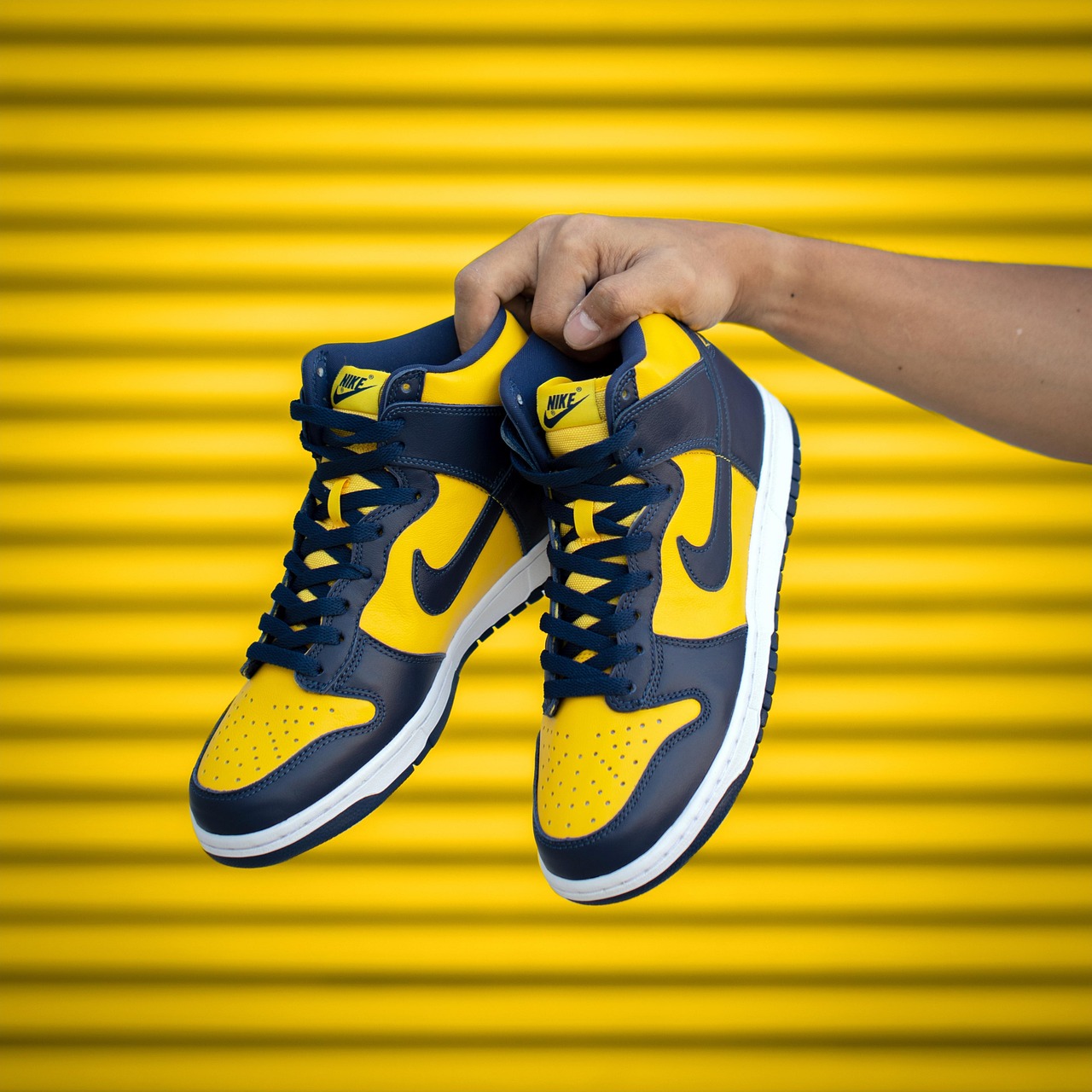
Investors sue Nike for alleged NFT ‘soft rug pull’

Nike faces a proposed $5 million class action lawsuit accusing the sportswear giant of abandoning investors in its sneaker-themed NFTs. Filed on Friday, the complaint alleges that Nike promoted its digital assets through RTFKT. It then pulled back support, causing the NFTs to lose value.

The plaintiffs claim that Nike engaged in a ‘soft rug pull‘ by hyping the NFTs and later winding down RTFKT’s operations. They argue that the NFTs were unregistered securities and that Nike failed to provide key disclosures that registration would have required.

Investors allege they would not have purchased the NFTs if they had known about the risks or Nike’s plans to exit the project.

Even if the NFTs are not classified as securities, the lawsuit contends that Nike’s actions violated consumer protection laws across several US states. Plaintiffs further accuse Nike of unjust enrichment, profiting from NFT sales while leaving buyers with losses.

Nike has not yet responded publicly. Meanwhile, RTFKT’s NFTs briefly disappeared last week due to a hosting issue, compounding concerns among collectors.

Would you like to learn more about AI, tech and digital diplomacy? If so, ask our Diplo chatbot

Anthropic aims to decode AI ‘black box’ within two years​

Anthropic CEO Dario Amodei has unveiled an ambitious plan to make AI systems more transparent by 2027. In a recent essay titled ‘The Urgency of Interpretability,’ Amodei highlighted the pressing need to understand the inner workings of AI models.

He expressed concern over deploying highly autonomous systems without a clear grasp of their decision-making processes, deeming it ‘basically unacceptable’ for humanity to remain ignorant of how these systems function.

Anthropic is at the forefront of mechanistic interpretability, a field dedicated to deciphering the decision-making pathways of AI models. Despite these advancements, Amodei emphasized that much more research is needed to fully decode these complex systems.​

Looking ahead, Amodei envisions conducting ‘brain scans’ or ‘MRIs’ of advanced AI models to detect potential issues like tendencies to deceive or seek power. He believes that achieving this level of interpretability could take five to ten years but is essential for the safe deployment of future AI systems.

Amodei also called on industry peers, including OpenAI and Google DeepMind, to intensify their research efforts in this area and urged governments to implement ‘light-touch’ regulations to promote transparency and safety in AI development.​

Would you like to learn more about AI, tech and digital diplomacy? If so, ask our Diplo chatbot

YouTube is testing AI-generated video highlights

Google is expanding its AI Overviews feature to YouTube, bringing algorithmically generated video highlights and search suggestions to the platform. Initially rolled out to a limited number of YouTube Premium users in the US, the experimental tool uses AI to identify and surface the most relevant clips.

The AI-generated results are currently focused on shopping and travel content, offering viewers a new way to discover videos and related topics without watching entire clips.

Google says the feature is designed to streamline content discovery, though it arrives with some scepticism following the rocky debut of AI Overviews in Google Search last year. That version, introduced in May 2024, was widely criticised for factual errors and bizarre “hallucinations” in responses.

Despite its troubled track record, Google is pushing ahead with AI integration across its platforms. The company’s blog post emphasised that the YouTube trial remains limited in scope for now, while promising future refinements.

Whether the move improves user experience or adds confusion remains to be seen, as critics question the reliability of AI-generated summaries on such a massive and diverse video platform.

Would you like to learn more about AI, tech and digital diplomacy? If so, ask our Diplo chatbot

Meta cuts jobs in Reality Labs

Meta has announced layoffs within its Reality Labs division, impacting Oculus Studios and hardware development teams. Among those affected is the team behind Supernatural, a popular VR fitness app that Meta acquired for over $400 million.

The company stated that these restructuring efforts aim to improve efficiency and focus on developing future mixed reality experiences, particularly in fitness and gaming. Despite reaffirming its commitment to VR and mixed reality, Meta’s moves reflect its Quest headset business challenges.

While its smart glasses partnership with Ray-Ban has exceeded sales expectations, Quest devices continue to underperform, with the latest Quest 3S already seeing discounts less than a year after release.

Why does it matter?

The layoffs signal Meta’s attempt to streamline operations as it navigates a shifting market for virtual and mixed reality. Although the company promises ongoing support for its VR communities, these changes highlight the pressures Meta faces in turning its ambitious metaverse and hardware ventures into sustainable success.

Would you like to learn more about AI, tech and digital diplomacy? If so, ask our Diplo chatbot!

MTN confirms cybersecurity breach and data exposure

MTN Group has confirmed a cybersecurity breach that exposed personal data of some customers in certain markets. The telecom giant assured the public, however, that its core infrastructure remains secure and fully operational.

The breach involved an unknown third party gaining unauthorised access to parts of MTN’s systems, though the company emphasised that critical services, including mobile money and digital wallets, were unaffected.

In a statement released on Thursday, MTN clarified that investigations are ongoing, but no evidence suggests any compromise of its central infrastructure, such as its network, billing, or financial service platforms.

MTN has alerted the law enforcement of South Africa and is collaborating with regulatory bodies in the affected regions.

The company urged customers to take steps to safeguard their data, such as monitoring financial statements, using strong passwords, and being cautious with suspicious communications.

MTN also recommended enabling multi-factor authentication and avoiding sharing sensitive information like PINs or passwords through unsecured channels.

While investigations continue, MTN has committed to providing updates as more details emerge, reiterating its dedication to transparency and customer protection.

Would you like to learn more about AI, tech and digital diplomacy? If so, ask our Diplo chatbot!

Google stopped Motorola from using Perplexity as default assistant

A senior executive at Perplexity AI has testified that Google prevented Motorola from setting the AI startup’s assistant as the default on new smartphones, citing restrictive contracts.

The testimony came during a trial seeking remedies after Google was found to have unlawfully maintained a search monopoly.

Although Motorola will preload the app, it cannot make it the default due to binding agreements with Google. Perplexity’s Chief Business Officer, described the difficulty of replacing Google’s assistant on Android phones, saying Google’s terms create an environment where device makers fear losing revenue.

The CEO added that ongoing negotiations with other companies only became possible due to pressure from the US Department of Justice’s antitrust case.

The Justice Department is asking the court to ban Google from paying for default placements, which would also affect its AI products like Gemini.

Meanwhile, Perplexity is developing its own browser, Comet, and voiced concern about any Chrome sale undermining open-source access. The company does not support OpenAI’s interest in acquiring the browser, citing past inconsistencies in its open-source commitments.

Would you like to learn more about AI, tech and digital diplomacy? If so, ask our Diplo chatbot!

White House condemns EU fines on Apple and Meta

The White House has strongly criticised the EU after landmark fines were imposed on Apple and Meta Platforms, describing the penalties as a ‘novel form of economic extortion’ that the US would not tolerate.

The European Commission fined Apple €500 million and Meta €200 million under the Digital Markets Act (DMA), a new law designed to rein in the power of dominant tech giants.

Rather than viewing the DMA as a fair attempt to promote market competition, US officials called it ‘discriminatory’ and claimed it unfairly targets American firms, undermines innovation, and restricts civil liberties.

The White House warned that such extraterritorial measures would be treated as trade barriers and hinted at retaliation.

At the same time, tensions were mounting on another front, with US Treasury Secretary Scott Bessent acknowledging that tariffs between the US and China were unsustainable.

He said both sides must lower their tariffs, currently as high as 145 per cent, instead of expecting unilateral moves, suggesting a potential thaw in the ongoing trade war.

President Trump, while indicating openness to cutting Chinese import duties, also threatened to raise the existing 25 per cent tariff on Canadian car imports. He said the US should focus on building its own vehicles instead of relying on foreign manufacturers.

Would you like to learn more about AI, tech and digital diplomacy? If so, ask our Diplo chatbot!