GitHub has prematurely unveiled OpenAI’s next-generation GPT-5 models in a blog post that was swiftly deleted. The post briefly revealed that GPT-5 will be released in four variants, promising significant upgrades in reasoning ability, coding performance, and user experience.
Archived versions of the removed announcement show that GPT-5 features improved agentic capabilities and can complete complex coding tasks with minimal input.
The four model versions include a full-strength GPT-5 for logic and multi-step operations, a lightweight mini version for cost-efficient usage, a nano version optimised for speed and low latency, and a chat-focused variant built for advanced, multimodal enterprise interactions.
Reddit users first spotted the post, including comparisons between GPT-5 and competing models such as Llama 4 Scout and Cohere v2.
The accidental release aligns with growing anticipation after OpenAI insiders hinted at a major release earlier in the week, with CEO Sam Altman teasing the update just days before.
OpenAI is expected to launch GPT-5 later today, officially during a live-streamed event. The company has also introduced two new open-weight GPT-OSS models, including one that can run locally on personal devices.
Would you like to learn more aboutAI, tech and digital diplomacy? If so, ask our Diplo chatbot!
OpenAI has launched its first open-weight AI models in over five years, under the Apache 2.0 license. Developers now have access to download, adapt, and deploy the models commercially, marking a significant shift in policy from the company’s previously closed-source approach.
The move comes amid pressure from China’s open-source AI sector and Western rivals, such as Meta. The GPT-OS models focus on reasoning and support complex tasks such as coding and mathematics.
GPT-OS-120 b targets high-performance setups, while GPT-OS-20 b can run on standard machines. While not fully open-source, the release provides transparency regarding weights and architecture, although the training data remains undisclosed.
The approach has split expert opinion: some praise the openness, others question the limited disclosure. Regardless, it signals OpenAI’s strategic recalibration in response to market pressure.
Benchmark tests show the models excel in advanced reasoning. The o4-mini, a related model, has already surpassed its competitors in evaluations such as AIME 2024 and 2025. Analysts say these tools could reshape workflows across sectors, from coding to enterprise automation.
OpenAI’s timing aligns with rapid revenue growth and a $40 billion funding round. Analysts see this release as a calculated step in a maturing, competitive industry, where a balance of proprietary control and open access may define future leadership.
Would you like to learn more about AI, tech, and digital diplomacy? If so, ask our Diplo chatbot!
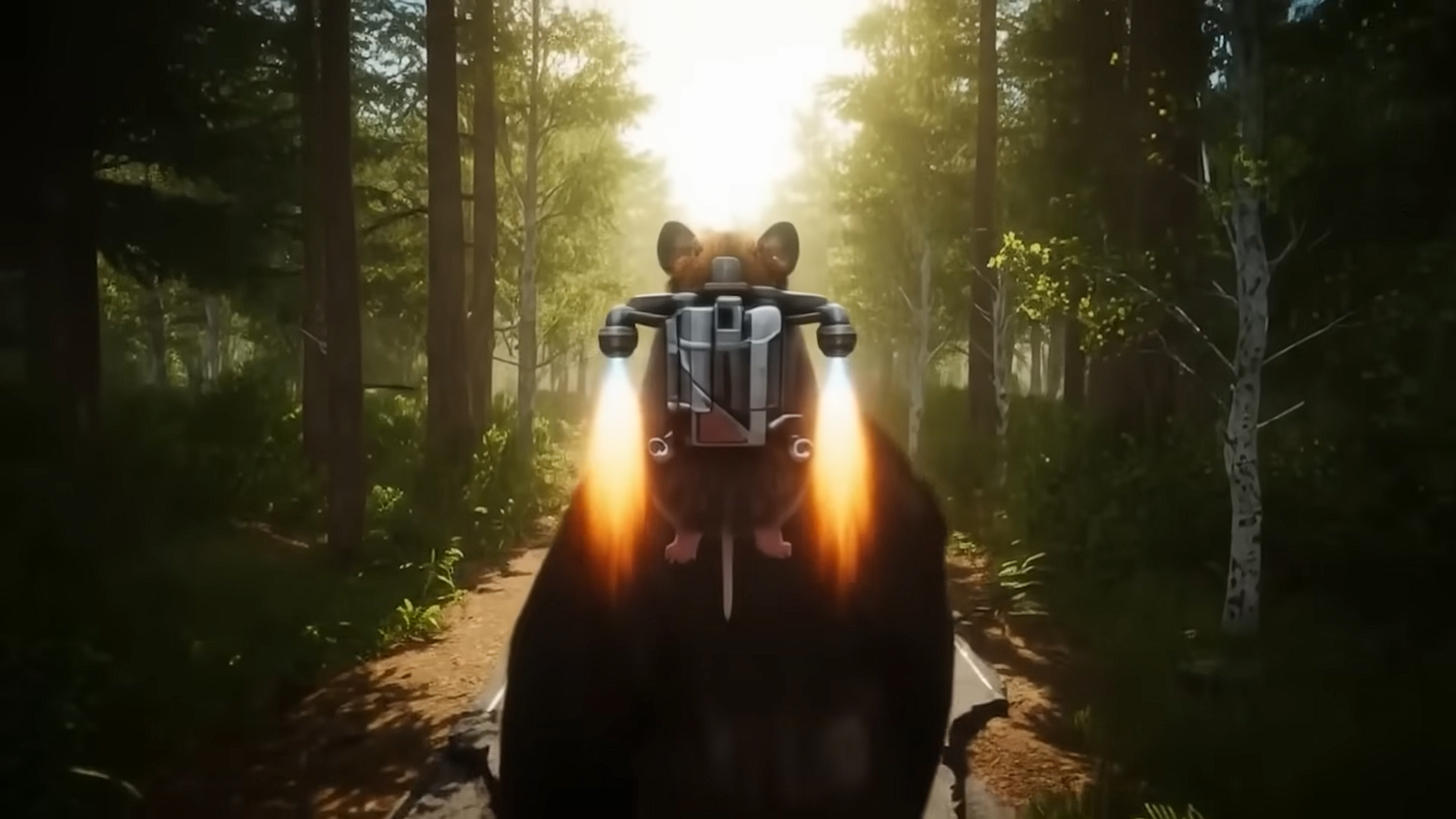
The technology offers eye-catching scenarios like flying over mountains, exploring volcanoes, or swimming through deep oceans. Although the graphics still show AI hallmarks, the functionality is advanced enough to raise concerns across the game industry.
Many fear that Genie 3 could render traditional development tools, such as Unity and Unreal, less essential, especially for prototyping or indie games. With just a few words, AI can now build what teams of artists and designers once did.
Job losses driven by AI are already happening in other sectors. Customer support, design, and language learning platforms have replaced humans with bots. Game developers may be next in line as studios seek to cut costs.
Some players may continue to favour human-made games, but the pressure is growing. Genie 3 shows that AI is no longer just assisting developers; it’s beginning to replace them.
Would you like to learn more about AI, tech, and digital diplomacy? If so, ask our Diplo chatbot!
Beijing United Family Hospital and Alibaba DAMO Academy have launched a joint effort to bring advanced AI screening into clinical use.
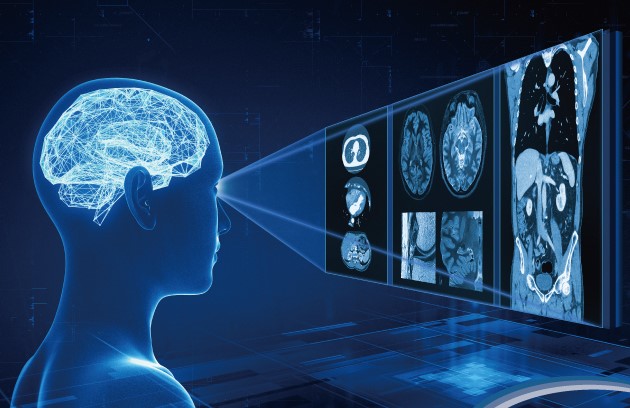
Their flagship project uses a plain CT scan combined with DAMO Academy’s multi-condition detection AI to facilitate early identification of gastrointestinal cancers and chronic diseases.
The technology has already internationally earned the FDA’s ‘Breakthrough Device’ designation. Collaborators stress that combining AI with established international standards supports more accurate, patient-centred care.
Rod Stewart is under fire for using AI-generated visuals in a tribute to Ozzy Osbourne during a recent US concert. The video showed a digitally recreated Osbourne taking selfies with late music icons in heaven.
The tribute, set to Stewart’s 1988 track Forever Young, was played at his Alpharetta performance. Artists like Whitney Houston, Kurt Cobain, Freddie Mercury, and Tupac Shakur featured in the AI montage.
While some called the display disrespectful and tasteless, others viewed it as a heartfelt tribute to legendary figures. Reactions online ranged from outrage to admiration.
Osbourne, who passed away last month at age 76, was honoured with global tributes, including flowers laid at Birmingham’s Black Sabbath Bench by fans and family.
Would you like to learn more about AI, tech and digital diplomacy? If so, ask our Diplo chatbot!
Taiwan’s Digital Minister, Huang Yen-nun, discussed deeper cooperation in digital and AI technologies with the United States during the recent APEC conference in Incheon—the talks from 3 August to 6 August marked a new phase in bilateral tech collaboration.
Huang confirmed that the APEC gathering had produced its first joint ministerial statement on digital and AI policy. Ministers pledged to enhance connectivity, prevent digital exclusion, promote trustworthy AI, and accelerate the adoption of responsible technology across the Asia-Pacific region.
Digital goals of Taiwan closely align with the APEC declaration, Huang said, particularly in areas such as online fraud prevention, resilience-building, and expanding the digital economy. He framed the agreement as a strong alignment with national priorities.
Michael Kratsios, director of the White House Office of Science and Technology Policy, was highlighted as a key ally. Huang also held talks with representatives from Japan and Southeast Asia to explore regional cooperation in emerging technologies.
Cybersecurity and semiconductors remain central to Taiwan’s leadership in the technology sector. However, Huang acknowledged that further investment and collaboration with digital trailblazers, such as those in the United States, are needed to maintain the country’s edge in high-value innovation.
Would you like to learn more about AI, tech, and digital diplomacy? If so, ask our Diplo chatbot!
The European Union’s ‘Chat Control’ proposal is gaining traction, with 19 member states now supporting a plan to scan all private messages on encrypted apps. From October, apps like WhatsApp, Signal, and Telegram must scan all messages, photos, and videos on users’ devices before encryption.
France, Denmark, Belgium, Hungary, Sweden, Italy, and Spain back the measure, while Germany has yet to decide. The proposal could pass by mid-October under the EU’s qualified majority voting system if Germany joins.
The initiative aims to prevent child sexual abuse material (CSAM) but has sparked concerns over mass surveillance and the erosion of digital privacy.
In addition to scanning, the proposal would introduce mandatory age verification, which could remove anonymity on messaging platforms. Critics argue the plan amounts to real-time surveillance of private conversations and threatens fundamental freedoms.
Telegram founder Pavel Durov recently warned of societal collapse in France due to censorship and regulatory pressure. He disclosed attempts by French officials to censor political content on his platform, which he refused to comply with.
Would you like to learn more about AI, tech and digital diplomacy? If so, ask our Diplo chatbot!
Thanks to a new feature that shows verified brand logos, Gmail users will now find it easier to spot phishing emails. The update uses BIMI, a standard that allows trusted companies to display official logos next to their messages.
To qualify, brands must secure their domain with DMARC and have their logos verified by authorities such as Entrust or DigiCert. Once approved, they receive a Verified Mark Certificate, linking their logo to their domain.
The feature helps users quickly distinguish between genuine emails and fraudulent ones. Early adopters include Bank of America in the US, whose logo now appears directly in inboxes.
Google’s move is expected to drive broader adoption, with services like MailChimp and Verizon Media already supporting the system. The change could significantly reduce phishing risks for Gmail’s vast user base.
Would you like to learn more about AI, tech and digital diplomacy? If so, ask our Diplo chatbot!
A new commission will begin work next month to explore creating a standalone Cyber Force as a military service. The Centre for Strategic and International Studies leads the effort in collaboration with the Cyber Solarium Commission 2.0.
The study responds to ongoing weaknesses in how the US military organises, trains and equips personnel for cyber operations. These shortcomings have prompted calls for a dedicated force with a focused mission.
The Cyber Force would aim to improve readiness and capability in the digital domain, mirroring the structure of other service branches. Cyber operations are seen as increasingly central to national security.
Details of the commission’s work will emerge in the coming months as discussions shape what such a force might look like.
Would you like to learn more about AI, tech and digital diplomacy? If so, ask our Diplo chatbot!
The Venice Film Festival has confirmed that a cyberattack compromised the personal data of accredited attendees, including journalists and industry members. The breach affected names, contact details, and tax information.
The cybersecurity attackers accessed the festival’s servers on 7 July and copied and stored documents. Festival organisers responded by isolating systems and informing authorities.
Those affected received a formal notification and are encouraged to contact the event’s data protection officer for support or updates.
Despite the breach, the 82nd edition of the festival will proceed as scheduled from 27 August to 9 September in Italy.
Would you like to learn more about AI, tech and digital diplomacy? If so, ask our Diplo chatbot!