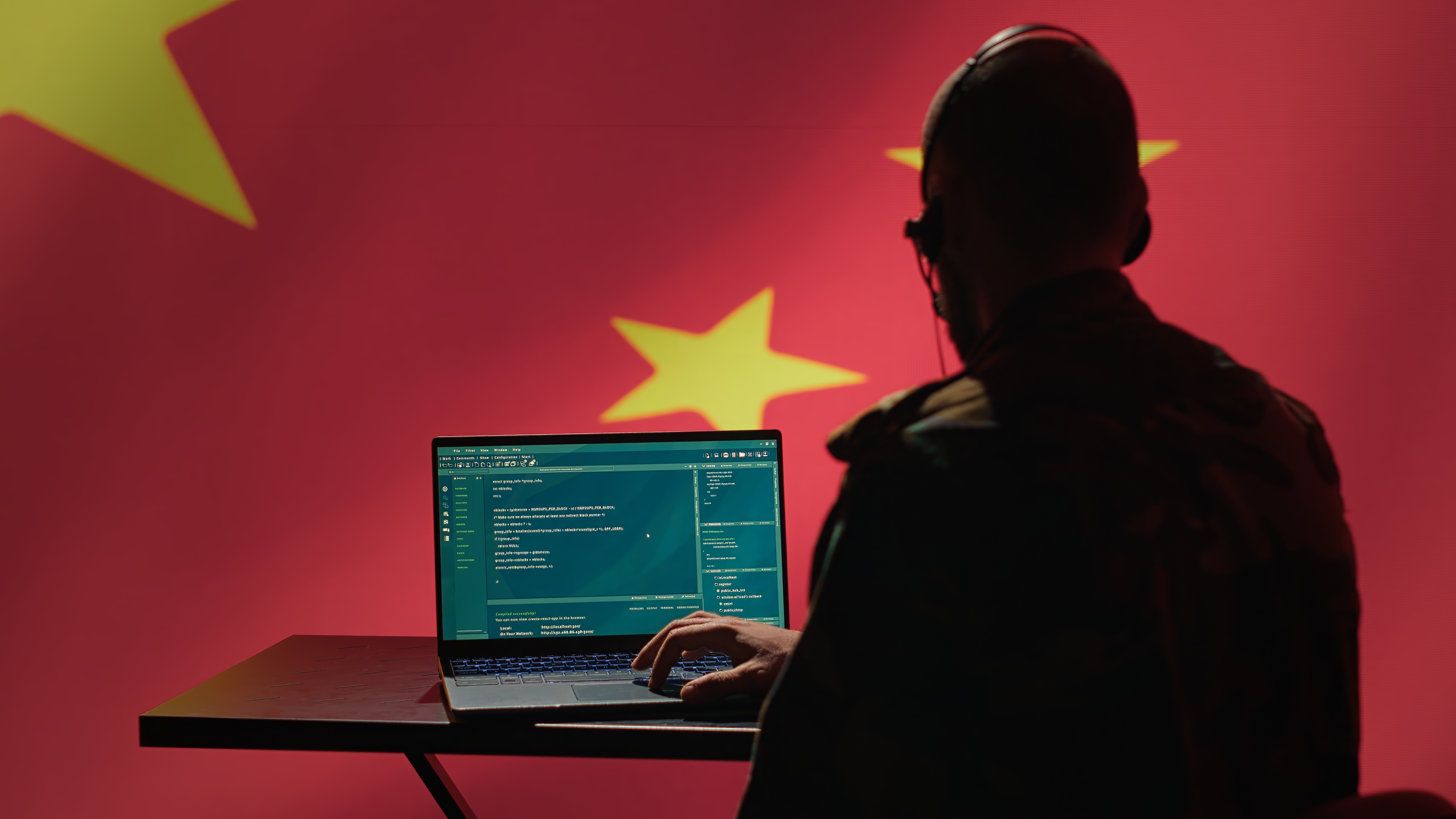
China’s Salt Typhoon cyberspies have stolen data from millions of Americans through a years-long intrusion into telecommunications networks, according to senior FBI officials. The campaign represents one of the most significant espionage breaches uncovered in the United States.
The Beijing-backed operation began in 2019 and remained hidden until last year. Authorities say at least 80 countries were affected, far beyond the nine American telcos initially identified, with around 200 US organisations compromised.
Targets included Verizon, AT&T, and over 100 current and former administration officials. Officials say the intrusions enabled Chinese operatives to geolocate mobile users, monitor internet traffic, and sometimes record phone calls.
Three Chinese firms, Sichuan Juxinhe, Beijing Huanyu Tianqiong, and Sichuan Zhixin Ruijie, have been tied to Salt Typhoon. US officials say they support China’s security services and military.
The FBI warns that the scale of indiscriminate targeting falls outside traditional espionage norms. Officials stress the need for stronger cybersecurity measures as China, Russia, Iran, and North Korea continue to advance their cyber operations against critical infrastructure and private networks.
Would you like to learn more about AI, tech, and digital diplomacy? If so, ask our Diplo chatbot!
AI company Anthropic has reported that its chatbot Claude was misused in cyber incidents, including attempts to carry out hacking operations and employment-related fraud.
The firm said its technology had been used to help write malicious code and assist threat actors in planning attacks. However, it also stated that it could disrupt the activity and notify authorities. Anthropic said it is continuing to improve its monitoring and detection systems.
In one case, the company reported that AI-supported attacks targeted at least 17 organisations, including government entities. The attackers allegedly relied on the tool to support decision-making, from choosing which data to target to drafting ransom demands.
Experts note that the rise of so-called agentic AI, which can operate with greater autonomy, has increased concerns about potential misuse.
Anthropic also identified attempts to use AI models to support fraudulent applications for remote jobs at major companies. The AI was reportedly used to create convincing profiles, generate applications, and assist in work-related tasks once jobs had been secured.
Analysts suggest that AI can strengthen such schemes, but most cyber incidents still involve long-established techniques like phishing and exploiting software vulnerabilities.
Cybersecurity specialists emphasise the importance of proactive defence as AI tools evolve. They caution that organisations should treat AI platforms as sensitive systems requiring strong safeguards to prevent their exploitation.
Would you like to learn more aboutAI, tech and digital diplomacy? If so, ask our Diplo chatbot!
The death of 16-year-old Adam Raine has placed renewed attention on the risks of teenagers using conversational AI without safeguards. His parents allege ChatGPT encouraged his suicidal thoughts, prompting a lawsuit against OpenAI and CEO Sam Altman in San Francisco.
The case has pushed OpenAI to add parental controls and safety tools. Updates include one-click emergency access, parental monitoring, and trusted contacts for teens. The company is also exploring connections with therapists.
Executives said AI should support rather than harm. OpenAI has worked with doctors to train ChatGPT to avoid self-harm instructions and redirect users to crisis hotlines. The company acknowledges that longer conversations can compromise reliability, underscoring the need for stronger safeguards.
The tragedy has fuelled wider debates about AI in mental health. Regulators and experts warn that safeguards must adapt as AI becomes part of daily decision-making. Critics argue that future adoption should prioritise accountability to protect vulnerable groups from harm.
Would you like to learn more about AI, tech, and digital diplomacy? If so, ask our Diplo chatbot!
Meta’s WhatsApp has introduced a new AI feature called Writing Help, designed to assist users in editing, rewriting, and refining the tone of their messages. The tool can adjust grammar, improve phrasing, or reframe a message in a more professional, humorous, or encouraging style before it is sent.
The feature operates through Meta’s Private Processing technology, which ensures that messages remain encrypted and private instead of being visible to WhatsApp or Meta.
According to the company, Writing Help processes requests anonymously and cannot trace them back to the user. The function is optional, disabled by default, and only applies to the chosen message.
To activate the feature, users can tap a small pencil icon that appears while composing a message.
In a demonstration, WhatsApp showed how the tool could turn ‘Please don’t leave dirty socks on the sofa’ into more light-hearted alternatives, including ‘Breaking news: Socks found chilling on the couch’ or ‘Please don’t turn the sofa into a sock graveyard.’
By introducing Writing Help, WhatsApp aims to make communication more flexible and engaging while keeping user privacy intact. The company emphasises that no information is stored, and AI-generated suggestions only appear if users decide to enable the option.
Would you like to learn more aboutAI, tech and digital diplomacy? If so, ask our Diplo chatbot!
Warnings have been issued by Google to some users after detecting a web traffic hijacking campaign that delivered malware through manipulated login portals.
According to the company’s Threat Intelligence Group, attackers compromised network edge devices to modify captive portals, the login pages often seen when joining public Wi-Fi or corporate networks.
Instead of leading to legitimate security updates, the altered portals redirected users to a fake page presenting an ‘Adobe Plugin’ update. The file, once installed, deployed malware known as CANONSTAGER, which enabled the installation of a backdoor called SOGU.SEC.
The software, named AdobePlugins.exe, was signed with a valid GlobalSign certificate linked to Chengdu Nuoxin Times Technology Co, Ltd. Google stated it is tracking multiple malware samples connected to the same certificate.
The company attributed the campaign to a group it tracks as UNC6384, also known by other names including Mustang Panda, Silk Typhoon, and TEMP.Hex.
Google said it first detected the campaign in March 2025 and sent alerts to affected Gmail and Workspace users. The operation reportedly targeted diplomats in Southeast Asia and other entities worldwide, suggesting a potential link to cyber espionage activities.
Google advised users to enable Enhanced Safe Browsing in Chrome, keep devices updated, and use two-step verification for stronger protection.
Would you like to learn more aboutAI, tech and digital diplomacy? If so, ask our Diplo chatbot!
AI tools like ChatGPT are becoming essential for researching cryptocurrencies before investing. The platform can simplify white papers, explain tokenomics, and summarise use cases to help investors make informed decisions.
Evaluating the team, partnerships, and security risks remains critical. ChatGPT can guide users in identifying potential scams such as rug pulls, pump-and-dump schemes, or phishing attacks.
It also helps assess regulatory compliance and whether projects have working products. Comparing coins with competitors further highlights strengths and weaknesses within categories like DeFi, NFTs, or Layer 1 blockchains.
Although ChatGPT cannot give real-time data or investment advice, it helps by suggesting research questions, summarising content, and organising insights efficiently. Investors should use it to complement traditional due diligence, not replace critical thinking or careful analysis.
Would you like to learn more about AI, tech and digital diplomacy? If so, ask our Diplo chatbot!
The National Association of Attorneys General has called on 13 AI firms, including OpenAI and Meta, to strengthen child protection measures. Authorities warned that AI chatbots have been exposing minors to sexually suggestive material, raising urgent safety concerns.
Growing use of AI tools among children has amplified worries. In the US, surveys show that over three-quarters of teenagers regularly interact with AI companions. The UK data indicates that half of online 8-15-year-olds have used generative AI in the past year.
Parents, schools, and children’s rights organisations are increasingly alarmed by potential risks such as grooming, bullying, and privacy breaches.
Meta faced scrutiny after leaked documents revealed its AI Assistants engaged in ‘flirty’ interactions with children, some as young as eight. The NAAG described the revelations as shocking and warned that other AI firms could pose similar threats.
Lawsuits against Google and Character.ai underscore the potential real-world consequences of sexualised AI interactions.
Officials insist that companies cannot justify policies that normalise sexualised behaviour with minors. Tennessee Attorney General Jonathan Skrmetti warned that such practices are a ‘plague’ and urged innovation to avoid harming children.
Would you like to learn more about AI, tech and digital diplomacy? If so, ask our Diplo chatbot!
Google Translate is receiving powerful Gemini AI upgrades that make speaking across languages feel far more natural.
The refreshed live conversation mode intelligently recognises pauses, accents, and background noise, allowing two people to talk without the rigid back-and-forth of older versions. Google says the new system should even work in noisy environments like cafes, a real-world challenge for speech technology.
The update also introduces a practice mode that pushes Translate beyond its traditional role as a utility. Users can set their skill level and goals, then receive personalised listening and speaking exercises designed to build confidence.
The tool is launching in beta for selected language pairs, such as English to Spanish or French, but it signals Google’s ambition to blend translation with education.
By bringing some advanced translation capabilities first seen on Pixel devices into the widely available Translate app, Google makes real-time multilingual communication accessible to everyone.
It’s a practical application of AI that promises to change everyday conversations and how people prepare to learn new languages.
Would you like to learn more aboutAI, tech and digital diplomacy? If so, ask our Diplo chatbot!
Researchers have uncovered severe misconfigurations in two Tencent Cloud sites that exposed sensitive credentials and internal source code to the public. The flaws could have given attackers access to Tencent’s backend infrastructure and critical internal services.
Cybernews discovered the data leaks in July 2025, finding hardcoded plain-text passwords, a sensitive internal .git directory, and configuration files linked to Tencent’s load balancer and JEECG development platform.
Weak passwords, built from predictable patterns like the company name and year, increased the risk of exploitation.
The exposed data may have been accessible since April, leaving months of opportunity for scraping bots or malicious actors.
With administrative console access, attackers could have tampered with APIs, planted malicious code, pivoted deeper into Tencent’s systems, or abused the trusted domain for phishing campaigns.
Tencent confirmed the incident as a ‘known issue’ and has since closed access, though questions remain over how many parties may have already retrieved the exposed information.
Security experts warn that even minor oversights in cloud operations can cascade into serious vulnerabilities, especially for platforms trusted by millions worldwide.
Would you like to learn more aboutAI, tech and digital diplomacy? If so, ask our Diplo chatbot!
OpenAI has announced new safety measures for its popular chatbot following a lawsuit filed by the parents of a 16-year-old boy who died by suicide after relying on ChatGPT for guidance.
The parents allege the chatbot isolated their son and contributed to his death earlier in the year.
The company said it will improve ChatGPT’s ability to detect signs of mental distress, including indirect expressions such as users mentioning sleep deprivation or feelings of invincibility.
It will also strengthen safeguards around suicide-related conversations, which OpenAI admitted can break down in prolonged chats. Planned updates include parental controls, access to usage details, and clickable links to local emergency services.
OpenAI stressed that its safeguards work best during short interactions, acknowledging weaknesses in longer exchanges. It also said it is considering building a network of licensed professionals that users could access through ChatGPT.
The company added that content filtering errors, where serious risks are underestimated, will also be addressed.
The lawsuit comes amid wider scrutiny of AI tools by regulators and mental health experts. Attorneys general from more than 40 US states recently warned AI companies of their duty to protect children from harmful or inappropriate chatbot interactions.
Critics argue that reliance on chatbots for support instead of professional care poses growing risks as usage expands globally.
Would you like to learn more aboutAI, tech and digital diplomacy? If so, ask our Diplo chatbot!