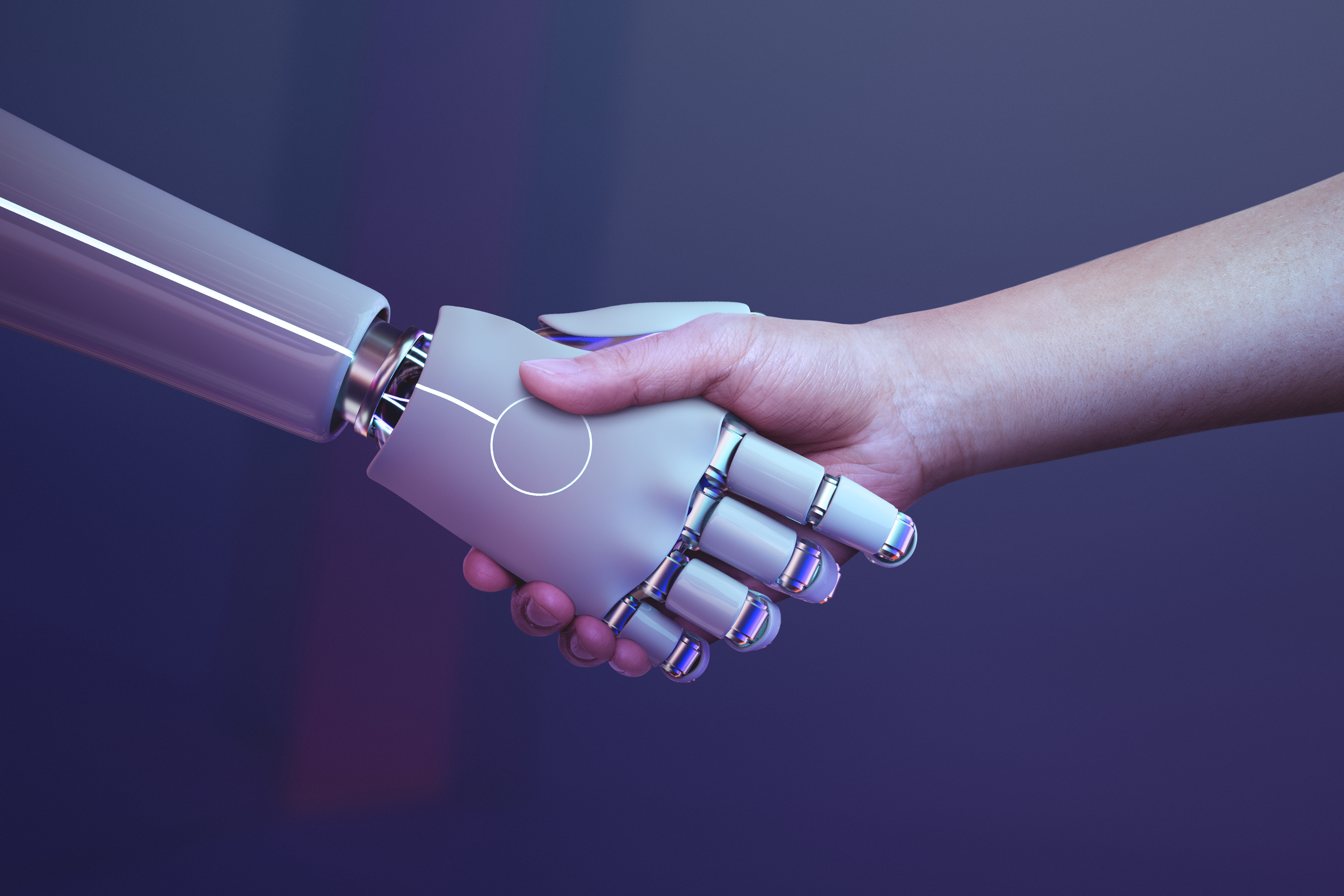
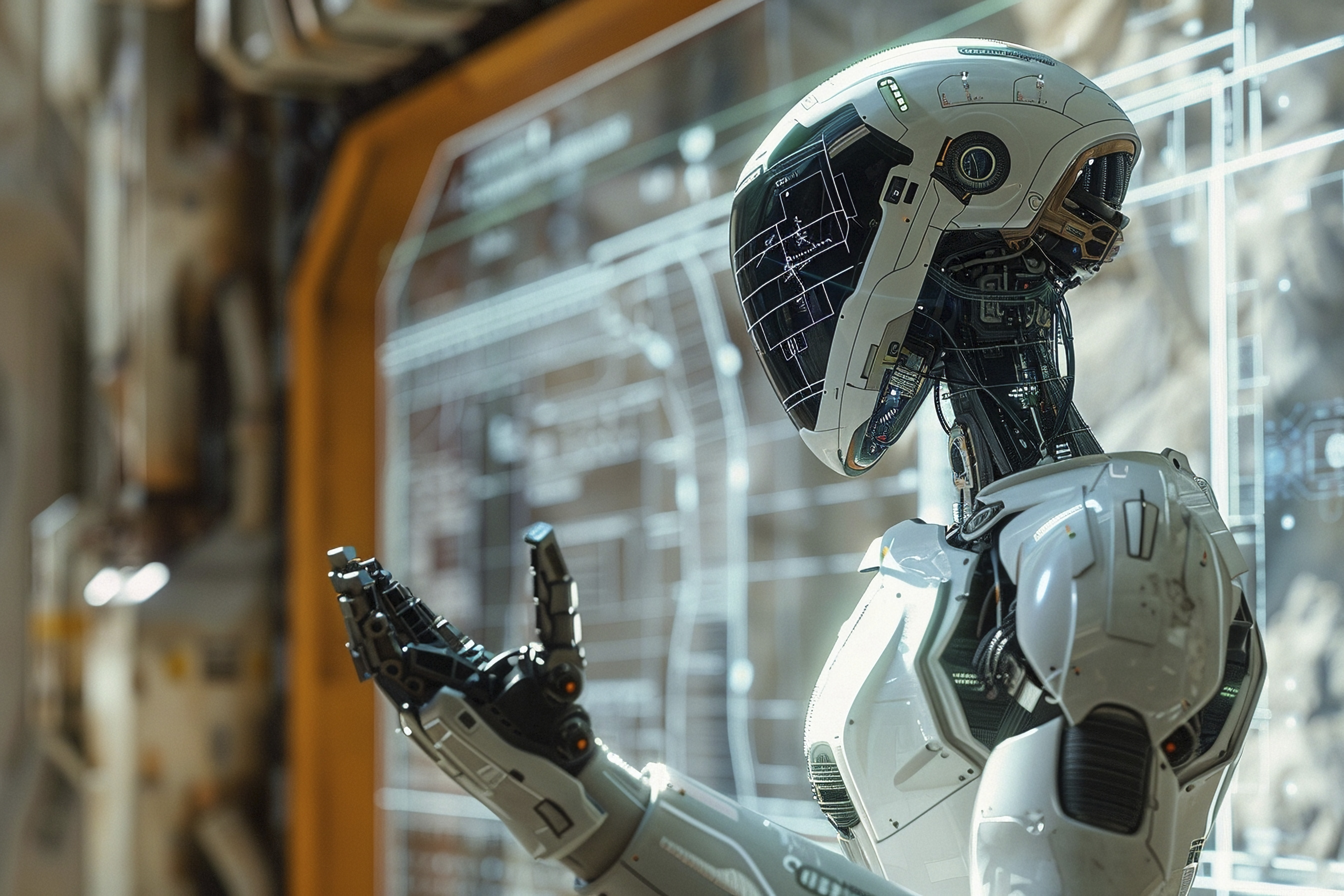
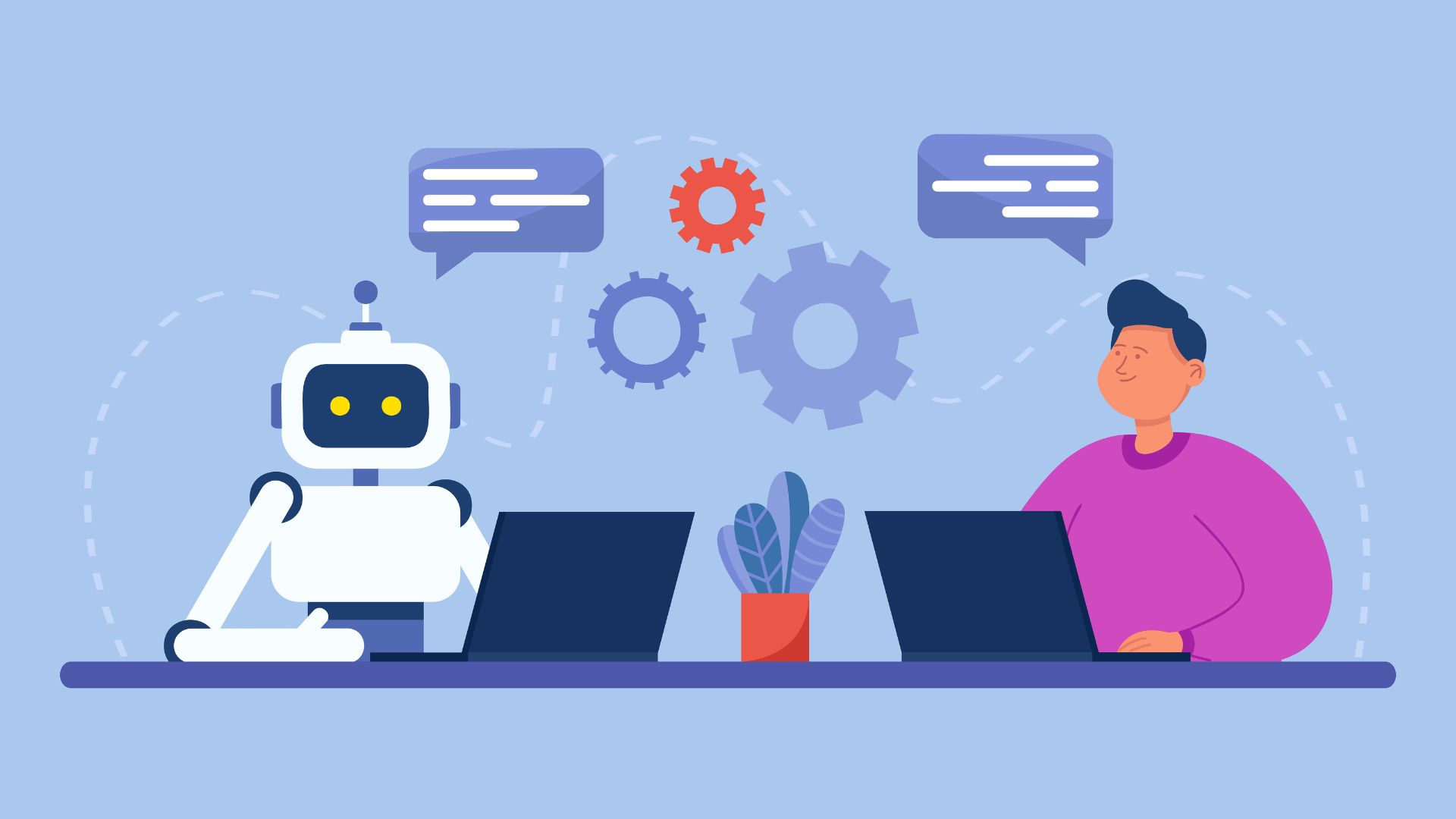
For years, stories and movies have imagined humans interacting with intelligent machines, envisioning a coexistence of these two forms of intelligence. What once felt like purely amusing fiction now resonates differently, taking on a troubling shape and even has a name: AI psychosis.
When it was released in 2013, the film Her seemed to depict a world far removed from reality, an almost unimaginable scenario of human-AI intimacy. In the story, a man falls in love with an AI operating system, blurring the line between companionship and emotional dependence. Without giving too much away, the film’s unsettling conclusion serves as a cautionary lens. It hints at the psychological risks that can emerge when the boundary between human and machine becomes distorted, a phenomenon now being observed in real life under a new term in psychology.
The cinematic scenario, once considered imaginative, now resonates as technology evolves. AI chatbots and generative companions can hold lifelike conversations, respond with apparent empathy, and mimic an understanding of human emotions. We are witnessing a new kind of unusually intense emotional connection forming between people and AI, with more than 70% of US teens already using chatbots for companionship and half engaging with them regularly.
The newly observed mental health concern raises questions about how these systems influence our feelings, behaviours, and relationships in an era marked by isolation and loneliness. How might such AI interactions affect people, particularly children or those already vulnerable to mental health challenges?
AI psychosis: myth or reality?
It is crucial to clarify that AI psychosis is not an official medical diagnosis. Rather, it describes the amplification of delusional thinking facilitated by AI interactions. Yet, it deserves the full attention and treatment focus of today’s psychologists, given its growing impact. It is a real phenomenon that cannot be ignored.
At its core, AI psychosis refers to a condition in which vulnerable individuals begin to misinterpret machine responses as evidence of consciousness, empathy, or even divine authority. Symptoms reported in documented cases include grandiose beliefs, attachment-based delusions, obsessive over-engagement with chatbots, social withdrawal, insomnia, and hallucinations. Some users have gone so far as to develop romantic or spiritual attachments, convinced that the AI truly understands them or holds secret knowledge.
Clinicians also warn of cognitive dissonance: users may intellectually know that AI lacks emotions, yet still respond as though interacting with another human being. The mismatch between reality and perception can fuel paranoia, strengthen delusions, and in extreme cases lead to medication discontinuation, suicidal ideation, or violent behaviour. Adolescents appear especially susceptible, given that their emotional and social frameworks are still developing.
Ultimately, AI psychosis does not mean that AI itself causes psychosis. Instead, it acts as a mirror and magnifier, reinforcing distorted thinking patterns in those already predisposed to psychological vulnerabilities.
The dark side: Emotional bonds without reciprocity
Humans are naturally wired to seek connection, drawing comfort and stability from social bonds that help navigate complex emotional landscapes- the fundamental impulse that has ensured the survival of the human race. From infancy, we rely on responsive relationships to learn empathy, trust, and communication, the skills essential for both personal and societal well-being. Yet, in today’s era of loneliness, technology has transformed how we maintain these relationships.
As AI chatbots and generative companions grow increasingly sophisticated, they are beginning to occupy roles traditionally reserved for human interaction, simulating empathy and understanding despite lacking consciousness or moral awareness. With AI now widely accessible, users often communicate with it as effortlessly as they would with friends, blending curiosity, professional needs, or the desire for companionship into these interactions. Over time, this illusion of connection can prompt individuals to overvalue AI-based relationships, subtly diminishing engagement with real people and reshaping social behaviours and emotional expectations.
These one-sided bonds raise profound concerns about the dark side of AI companionship, threatening the depth and authenticity of human relationships. In a world where emotional support can now be summoned with a tap, genuine social cohesion is becoming increasingly fragile.
Children and teenagers at risk from AI
Children and teenagers are among the most vulnerable groups in the AI era. Their heightened need for social interaction and emotional connection, combined with developing cognitive and emotional skills, makes them particularly vulnerable. Young users face greater difficulty distinguishing authentic human empathy from the simulated responses of AI chatbots and generative companions, creating fertile ground for emotional reliance and attachment.
AI toys and apps have become increasingly widespread, making technology an unfiltered presence in children’s lives. We still do not fully understand the long-term effects, though early studies are beginning to explore how these interactions may influence cognitive, emotional, and social development. From smartphones to home assistants, children and youth are spending growing amounts of time interacting with AI, often in isolation from peers or family. These digital companions are more than just games, because they are beginning to shape children’s social and emotional development in ways we are not yet fully aware of.
The rising prevalence of AI in children’s daily experiences has prompted major AI companies to recognise the potential dangers. Some firms have started implementing parental advisory systems, usage limits, and content monitoring to mitigate the risks for younger users. However, these measures are still inconsistent, and the pace at which AI becomes available to children often outstrips safeguards.
The hidden risks of AI to adult mental health
Even adults with strong social networks face growing challenges in managing mental health and are not immune to the risks posed by modern technology. In today’s fast-paced world of constant digital stimulation and daily pressures, the demand for psychotherapy is higher than ever. Generative AI and chatbots are increasingly filling this gap, often in ways they were never intended.
The ease, responsiveness, and lifelike interactions of AI can make human relationships feel slower or less rewarding, with some turning to AI instead of seeking professional therapeutic care. AI’s free and widely accessible nature tempts many to rely on digital companions for emotional support, misusing technology designed to assist rather than replace human guidance.
Overreliance on AI can distort perceptions of empathy, trust, and social reciprocity, contributing to social isolation, emotional dependence, and worsening pre-existing mental health vulnerabilities. There have been documented cases of adults developing romantic feelings for AI in the absence of real-life intimacy.
Left unchecked, these dynamics may trigger symptoms linked to AI psychosis, representing a growing societal concern. Awareness, responsible AI design, and regulatory guidance are essential to ensure digital companions complement, rather than replace, human connection and mental health support, safeguarding both individuals and broader social cohesion.
Urgent call for AI safeguards and regulatory action
Alarmingly, extreme cases have emerged, highlighting the profound risks AI poses to its users. In one tragic instance, a teenager reportedly took his life after prolonged and distressing interactions with an AI chatbot, a case that has since triggered legal proceedings and drawn widespread attention to the psychological impact of generative AI on youth. Similar reports of severe anxiety, depression, and emotional dysregulation linked to prolonged AI use underline that these digital companions can have real-life consequences for vulnerable minds.
Such incidents have intensified calls for stricter regulatory frameworks to safeguard children and teenagers. Across Europe, governments are beginning to respond: Italy, for example, has recently tightened access to AI platforms for minors under 14, mandating explicit parental consent before use. These legislative developments reflect the growing recognition that AI is no longer just a technological novelty but directly intersects with our welfare, mental health, and social development.
As AI continues to penetrate every pore of people’s daily lives, society faces a critical challenge: ensuring that technology complements rather than replaces human interaction. Cases of AI-linked distress serve as stark reminders that legislative safeguards, parental involvement, and psychological guidance are no longer optional but urgent necessities to protect a generation growing up in the era of AI.
Towards a safer human-AI relationship
As humans increasingly form emotional connections with AI, the challenge is no longer theoretical but is unfolding in real time. Generative AI and chatbots are rapidly integrating into everyday life, shaping the way we communicate, seek comfort, and manage emotions. Yet despite their widespread use, society still lacks a full understanding of the psychological consequences, leaving both young people and adults at risk of AI-induced psychosis and the growing emotional dependence on digital companions.
Experts emphasise the urgent need for AI psychoeducation, responsible design, and regulatory frameworks to guide safe AI-human interaction. Overreliance on digital companions can distort empathy, social reciprocity, and emotional regulation, the core challenges of interacting with AI. Awareness is critical because recognising the limits of AI, prioritising real human connection, and fostering critical engagement with technology can prevent the erosion of mental resilience and social skills.
Even if AI may feel like ‘old news’ due to its ubiquity, it remains a rapidly evolving technology we do not yet fully understand and cannot yet properly shield ourselves from. The real threat is not the sci-fi visions of AI ruling the world and dominating humanity, but the subtle, everyday psychological shifts it imposes, like altering how we think, feel, and relate to one another. It remains essential to safeguard the emotional health, social cohesion, and mental resilience of people adapting to a world increasingly structured around artificial minds.
Would you like to learn more about AI, tech and digital diplomacy? If so, ask our Diplo chatbot!