Google Cloud has partnered with Air France-KLM to apply generative AI technology to the airline group’s vast data. The airline’s extensive operations, which include 551 aircraft and 93 million passengers carried in 2023, generate significant amounts of data. Google Cloud’s AI solution will analyse passenger preferences and travel patterns and optimise aircraft maintenance predictions.
The partnership aims to enhance the airline’s operations by offering more tailored services to passengers and improving maintenance efficiency, reducing the time needed for predictive analysis from hours to minutes.
Despite the collaboration, Air France-KLM will retain full control over its data. Matt Renner, President of Google Cloud’s Global Revenue, emphasised the value of airline data in driving operational insights and enhancing customer experiences.
OpenAI is exploring advertising as a potential revenue model, according to a Financial Times report. While CFO Sarah Friar emphasised that there are ‘no active plans to pursue advertising,’ the company recently hired Shivakumar Venkataraman, a former Google ad executive, signalling interest in the possibility. OpenAI currently relies on subscriptions to fund its costly generative AI models, but rising expenses may prompt a shift in strategy.
The idea of ads doesn’t sit comfortably with OpenAI CEO Sam Altman, who described advertising as a “last resort” during a Harvard Business School chat. Altman has expressed unease about combining ads with AI, calling the prospect ‘uniquely unsettling.’ Still, the financial realities of sustaining and expanding AI tools may leave OpenAI with few alternatives.
As OpenAI balances innovation with business pressures, any move toward advertising could reshape how users engage with tools like ChatGPT. For now, the debate underscores the tension between maintaining accessibility and meeting operational demands.
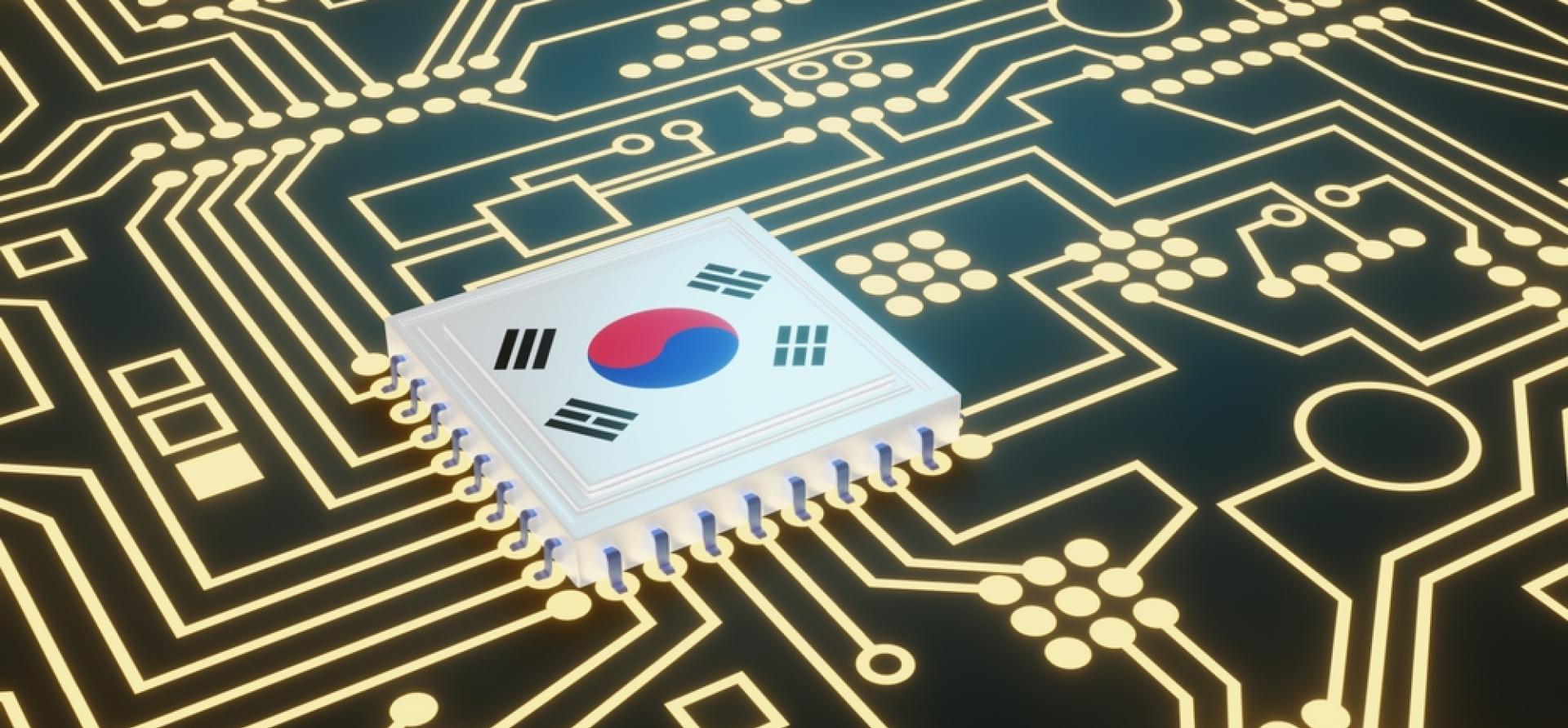
South Korean AI chipmakers Rebellions and Sapeon Korea have officially merged, forming a new company valued at approximately USD 928 million. The combined entity will continue under the name “Rebellions,” led by CEO Sunghyun Park. The merger aims to enhance the company’s global competitiveness in the fast-growing AI chip market by leveraging expertise across South Korea‘s telecom, government, and semiconductor sectors.
The merger brings together Rebellions, a fabless AI chip startup established in 2020, and Sapeon Korea, an affiliate of SK Telecom, to combine their strengths in AI chiplet technology. This integration is expected to accelerate innovation and improve efficiency, particularly in developing next-generation AI chips like REBEL, designed to meet the increasing demands of AI applications.
Looking ahead, Rebellions plans to expand internationally, with targeted entry into markets such as the United States, Saudi Arabia, and Japan. Strategic partnerships, including collaborations with SK Telecom and SK hynix, will help fuel the company’s global ambitions and support its expansion efforts.
Airbus, Thales, and Leonardo are exploring plans to establish a European joint venture in the satellite sector, aiming to challenge Elon Musk’s Starlink network. Dubbed ‘Project Bromo’ after an Indonesian volcano, the initiative seeks to create a standalone European satellite company modelled after missile maker MBDA, jointly owned by Airbus, Leonardo, and BAE Systems.
The plan is still in the early stages, but discussions have advanced enough to outline a preferred structure. Instead of one partner acquiring the others’ assets, the proposal envisions pooling satellite resources into a new entity. Leonardo CEO Roberto Cingolani confirmed the MBDA-inspired approach, calling it the most viable model for such collaboration.
This initiative comes as Europe’s satellite industry struggles to compete with Starlink’s rapid growth in low Earth orbit. While the merger talks are separate from Airbus’s impending job cuts, they signal a broader effort to revitalise Europe’s space capabilities in the face of intensifying competition.
Crystal Intelligence and Dubai Police have collaborated to address economic crimes within the rapidly growing digital asset space. By combining advanced blockchain analytics with law enforcement expertise, the two entities aim to predict and prevent financial crimes, ensuring robust security within the digital asset ecosystem.
That collaboration reflects Dubai’s commitment to remaining at the forefront of global blockchain innovation. Moreover, as part of its broader strategy, the UAE, particularly Dubai, has positioned itself as a leader in digital assets by creating a regulatory framework that fosters innovation while ensuring security and compliance.
Notably, establishing the Virtual Assets Regulatory Authority (VARA), the world’s first regulator for virtual assets, has attracted numerous blockchain companies and service providers to the city, further solidifying Dubai’s role as a central hub for digital assets. This collaboration also involves strengthening Dubai Police’s capabilities through Crystal Intelligence’s advanced tools in transaction monitoring, risk management, and predictive analytics.
Why does it matter?
These tools will enable law enforcement to proactively detect and address fraudulent activities across blockchain networks, thereby ensuring the integrity of Dubai’s digital asset market. By combining regulatory foresight with cutting-edge technology, Dubai demonstrates its leadership in integrating innovation with security. Ultimately, this partnership sets a new global standard for digital asset security and offers a model for other jurisdictions to follow as they navigate the complexities of financial crimes in the digital asset space.
India-based audio platform Pocket FM is leveraging AI to enrich its content offerings and scale its production capabilities. Despite hosting over 200,000 hours of content, CEO Rohan Nayak emphasised the need for deeper genre coverage and original content. The company has partnered with ElevenLabs to convert written stories into audio series, achieving faster production and significant cost savings. AI models are also being used to adapt stories for diverse regions by handling cultural nuances, ensuring broader appeal across geographies.
Pocket FM is testing AI tools to enhance its creative process. These include a writing assistant that provides alternative plot ideas and insights based on platform data, aiming to empower solo writers with a ‘writer’s room’ experience. A ‘blockbuster engine’ is under development to analyse trends and identify potential hit shows, underscoring the platform’s focus on producing popular content. AI has already contributed to more than 40,000 series on the platform, generating $3 million in revenue.
Despite the benefits, Pocket FM acknowledges challenges in maintaining quality while accelerating production. Industry experts caution that reliance on AI might undermine creativity, with artists needing to ensure authenticity in their work. Nayak affirmed that AI tools are intended to complement rather than replace human creativity. Pocket FM, backed by $197 million in funding, competes with platforms such as Audible and Kuku FM while striving to strike a balance between innovation and content excellence.
Orange has entered a groundbreaking multi-year partnership with OpenAI, becoming the first European telecom company with direct access to pre-release versions of the company’s AI models. This collaboration will allow Orange to influence OpenAI’s development roadmap while ensuring secure hosting of AI infrastructure in Europe, according to the group’s AI chief, Steve Jarrett.
The partnership highlights the strategic importance of OpenAI’s widely used models, with over 50,000 Orange employees already integrating them into their work. Jarrett emphasised the financial and technological advantages of a direct relationship with OpenAI, boosting Orange’s position in the AI race.
In addition to the partnership, Orange is working with Meta and OpenAI to translate African languages like Wolof and Pular for customer support and broader non-commercial uses. The initiative aims to support governments, universities, and startups, expanding accessibility to underserved linguistic communities.
The Tanzania Communications Regulatory Authority (TCRA) and the Comoros National Agency for Digital Development (ANADEN) collaborate to advance ICT development in both countries. During a skills exchange meeting in Dar es Salaam, Tanzania showcased its leadership in the ICT sector through significant achievements such as establishing a National Data Centre, earning recognition as a regional cybersecurity leader by ITU, and fostering widespread mobile money adoption, with over 60.8 million SIM cards registered and 90% population usage.
Inspired by these advancements, Comoros aims to develop similar infrastructure, including an e-government agency, a national domain registry, and a national data centre supported by the African Development Bank. The collaboration will emphasise capacity development and expertise sharing to strengthen ICT systems in Comoros.
Tanzanian experts will assist in enhancing system interoperability and training ICT professionals in Comoros to support sustainable development. Both countries share a vision of using ICT as a driver for economic growth, innovation, and digital transformation, highlighting the importance of regional partnerships in advancing technological progress.
President-elect Donald Trump is reportedly considering appointing an ‘AI czar’ to oversee federal artificial intelligence initiatives and policy coordination. The position would centralise AI strategies across government departments, potentially reflecting growing recognition of AI’s transformative impact.
According to sources cited by Axios, Tesla CEO Elon Musk, though not a candidate for the role, is expected to contribute to discussions on AI’s future use and implications in the United States.
The move could mark a significant shift in the government’s approach to advancing AI capabilities while addressing regulatory and ethical challenges.
Indonesia has upheld its ban on Apple’s iPhone 16, rejecting the tech giant’s $100M investment offer. The government maintains that Apple failed to meet regulations requiring 40% of phone components to be locally produced, a rule aimed at fostering domestic manufacturing.
Indonesian industry Minister Agus Gumiwang Kartasasmita stated Apple’s proposal lacked fairness, particularly when compared to the company’s investments in other nations. He urged the company to establish a production facility in Indonesia to avoid repeated investment negotiations.
While iPhone 16 sales remain prohibited, approximately 9,000 units have entered Indonesia for personal use. The government has imposed similar restrictions on Google Pixel phones, highlighting a firm stance on enforcing local manufacturing policies.