South Korea is advancing plans for a won-denominated stablecoin as the Financial Services Commission (FSC) drafts a regulatory framework. The proposal will set rules for issuance, collateral, and controls, marking South Korea’s first unified approach to stablecoins.
Political and industry momentum has been growing under pro-crypto President Lee Jae-myung. Surveys show strong public interest, while USD-backed stablecoins dominate local trading and remittances.
Eight major banks are collaborating on a joint won-based token, seeking regulatory approval to maintain competitiveness and reduce reliance on foreign-issued coins.
The private sector has already launched South Korea’s first won-pegged stablecoin. On 5 August, entertainment platform fanC and software firm Initech unveiled KRWIN, pegged 1:1 to the Korean won.
The pilot tests transferability and real-world use in payments, remittances, and tourism, with plans for a broader rollout hinted at by a trademark application.
Regional interest in stablecoins is rising across Asia, with Japan and Hong Kong also exploring initiatives. Dollar-backed stablecoins like USDT and USDC still dominate, keeping competition and adoption timelines uncertain despite won-pegged token launches.
Would you like to learn more about AI, tech and digital diplomacy? If so, ask our Diplo chatbot!
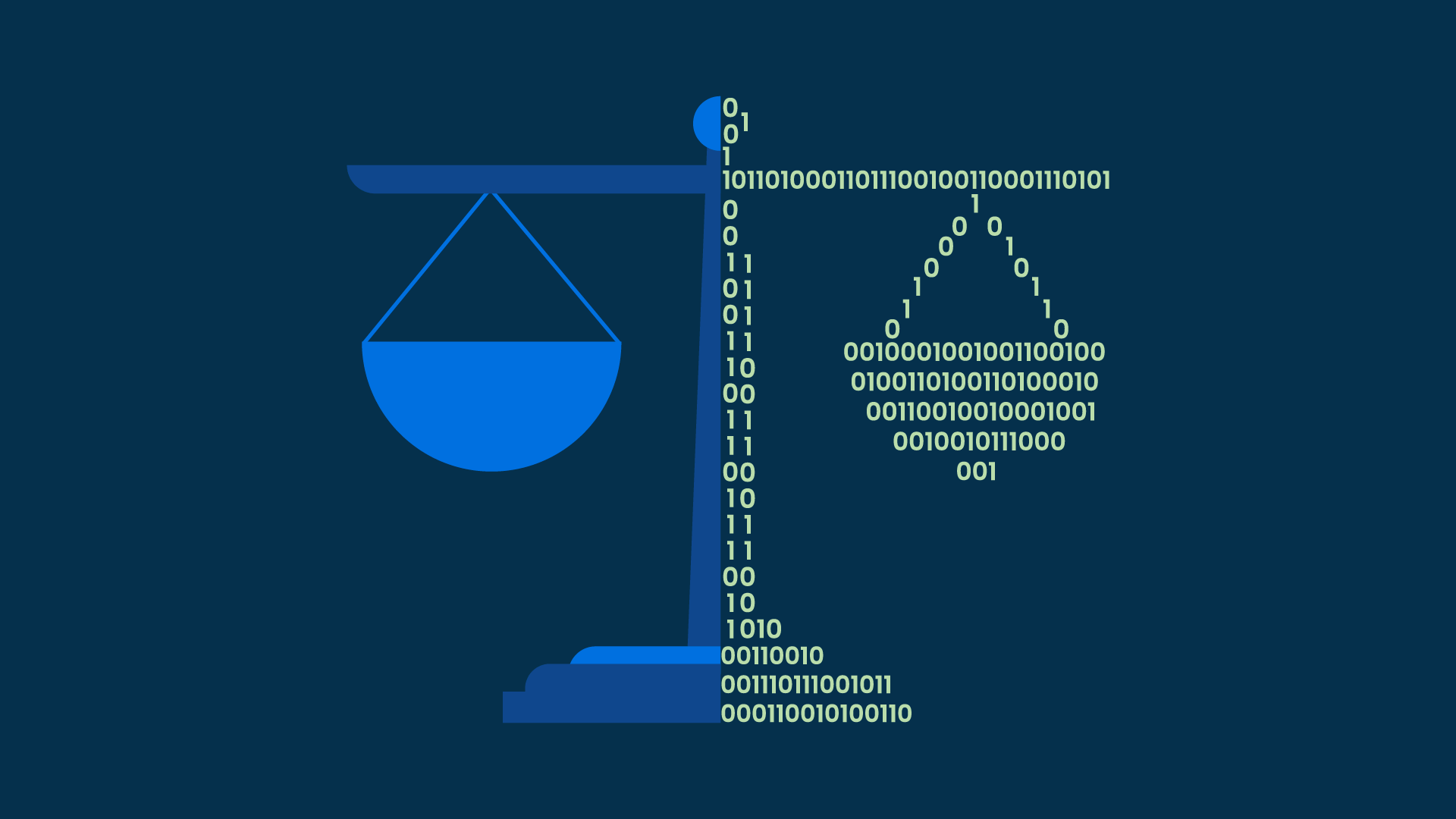
At least 5 billion people worldwide lack access to justice, a human right enshrined in international law. In many regions, particularly low and middle-income countries, millions face barriers to justice, ranging from their socioeconomic position to the legal system failure. Meanwhile, AI has entered the legal sector at full speed and may offer legitimate solutions to bridge this justice gap.
Through chatbots, automated document review, predictive legal analysis, and AI-enabled translation, AI holds promise to improve efficiency and accessibility. Yet, the rise of AI in legal systems across the globe suggests the digitalisation of our legal systems.
While it may serve as a tool to break down access barriers, AI legal tools could also introduce the automation of bias in our judicial systems, unaccountable decision-making, and act as an accelerant to a widening digital divide. AI is capable of meaningfully expanding equitable justice, but its implementation must safeguard human rights principles.
Improving access to justice
Across the globe, AI legal assistance pilot programmes are underway. The UNHCR piloted an AI agent to improve legal communication barriers in Jordan. AI transcribes, translates, and organises refugee queries. With its help, users can streamline their caseload management, which is key to keeping operations smooth even under financial strain.
NGOs working to increase access to justice, such as Migrasia in Hong Kong, have begun using AI-powered chatbots to triage legal queries from migrant workers, offering 24/7 multilingual legal assistance.
While it is clear that these tools are designed to assist rather than replace human legal experts, they are showing they have the potential to significantly reduce delays by streamlining processes. In the UK, AI transcription tools are being used to provide victims of serious sexual crimes with access to judges’ sentencing remarks and explanations of legal language. This tool enhances transparency for victims, especially those seeking emotional closure.
Even as these programmes are only being piloted, a UNESCO survey found that 44% of judicial workers across 96 countries are currently using AI tools, like ChatGPT, for tasks such as drafting and translating documents. For example, the Morrocan judiciary has already integrated AI technology into its legal system.
AI tools help judges prepare judgments for various cases, as well as streamline legal document preparation. The technology allows for faster document drafting in a multilingual environment. Soon, AI-powered case analysis, based on prior case data, may also provide legal experts with predictive outcomes. AI tools have the opportunity and are already beginning to, break down barriers to justice and ultimately improve the just application of the law.
Risking human rights
While AI-powered legal assistance can provide affordable access, improve outreach to rural or marginalised communities, close linguistic divides, and streamline cases, it also poses a serious risk to human rights. The most prominent concerns surround bias and discrimination, as well as widening the digital divide.
Deploying AI without transparency can lead to algorithmic systems perpetuating systematic inequalities, such as racial or ethnic biases. Meanwhile, the risk of black box decision-making, through the use of AI tools with unexplainable outputs, can make it difficult to challenge legal decisions, undermining due process and the right to a fair trial.
Experts emphasise that the integration of AI into legal systems must focus on supporting human judgment, rather than outright replacing it. Whether AI is biased by its training datasets or simply that it becomes a black box over time, AI usage is in need of foresighted governance and meaningful human oversight.
Image via Pixabay / jessica45
Additionally, AI will greatly impact economic justice, especially for those in low-income or marginalised communities. Legal professionals lack necessary training and skills needed to effectively use AI tools. In many legal systems, lawyers, judges, clerks, and assistants do not feel confident explaining AI outputs or monitoring their use.
However, this lack of education undermines the necessary accountability and transparency needed to integrate AI meaningfully. It may lead to misuse of the technology, such as unverified translations, which can lead to legal errors.
While the use of AI improves efficiency, it may erode public trust when legal actors fail to use it correctly or the technology reflects systematic bias. The judiciary in Texas, US, warned about this concern in an opinion that detailed the fear of integrating opaque systems into the administration of justice. Public trust in the legal system is already eroding in the US, with just over a third of Americans expressing confidence in 2024.
The incorporation of AI into the legal system threatens to derail the public’s faith that is left. Meanwhile, those without access to digital connectivity or literacy education may be further excluded from justice. Many AI tools are developed by for-profit actors, raising questions about justice accessibility in an AI-powered legal system. Furthermore, AI providers will have access to sensitive case data, which poses a risk of misuse and even surveillance.
The policy path forward
As already stated, for AI to be integrated into legal systems and help bridge the justice gap, it must take on the role of assisting to human judges, lawyers, and other legal actors, but it cannot replace them. In order for AI to assist, it must be transparent, accountable, and a supplement to human reason. UNESCO and some regional courts in Eastern Africa advocate for judicial training programmes, thorough guidelines, and toolkits that promote the ethical use of AI.
The focus of legal AI education must be to improve AI literacy and to teach bias awareness, as well as inform users of digital rights. Legal actors must keep pace with the innovation and integration level of AI. They are the core of policy discussions, as they understand existing norms and have firsthand experience of how the technology affects human rights.
Other actors are also at play in this discussion. Taking a multistakeholder approach that centres on existing human rights frameworks, such as the Toronto Declaration, is the path to achieving effective and workable policy. Closing the justice gap by utilising AI hinges on the public’s access to the technology and understanding how it is being used in their legal systems. Solutions working to demystify black box decisions will be key to maintaining and improving public confidence in their legal systems.
The future of justice
AI has the transformative capability to help bridge the justice gap by expanding reach, streamlining operations, and reducing cost. AI has the potential to be a tool for the application of justice and create powerful improvements to inclusion in our legal systems.
However, it also poses the risk of deepening inequalities and decaying public trust. AI integration must be governed by human rights norms of transparency and accountability. Regulation is possible through education and discussion predicated on adherence to ethical frameworks. Now is the time to invest in digital literacy to create legal empowerment, which ensures that AI tools are developed to be contestable and serve as human-centric support.
Image via Pixabay / souandresantana
Would you like to learn more about AI, tech and digital diplomacy? If so, ask our Diplo chatbot!
Pakistan’s Ministry of Planning, Development, and Special Initiatives has launched a national innovation competition to drive the development of AI solutions in priority sectors. The initiative aims to attract top talent to develop impactful health, education, agriculture, industry, and governance projects.
Minister Ahsan Iqbal said AI is no longer a distant prospect but a present reality that is already transforming economies. He described the competition as a milestone in Pakistan’s digital history and urged the nation to embrace AI’s global momentum.
Iqbal stressed that algorithms now shape decisions more than traditional markets, warning that technological dependence must be avoided. Pakistan, he argued, must actively participate in the AI revolution or risk being left behind by more advanced economies.
He highlighted AI’s potential to predict crop diseases, aid doctors in diagnosis, and deliver quality education to every child nationwide. He said Pakistan will not be a bystander but an emerging leader in shaping the digital future.
The government has begun integrating AI into curricula and expanding capacity-building initiatives. Officials expect the competition to unlock new opportunities for innovation, empowering youth and driving sustainable development across the country.
Would you like to learn more about AI, tech, and digital diplomacy? If so, ask our Diplo chatbot!
The European Commission will convene video game professionals in Cologne for the third consecutive year on August 20 and 21. The visit aims to follow developments in the industry, present the future EU budget, and outline opportunities under the upcoming AgoraEU programme.
EU Officials will also discuss AI adoption, new investment opportunities, and ways to protect minors in gaming. Renate Nikolay, Deputy Director-General of DG CONNECT, will deliver a keynote speech and join a panel titled ‘Investment in games – is it finally happening?’.
The European Commission highlights the role of gaming in Europe’s cultural diversity and innovation. Creative Europe MEDIA has already supported nearly 180 projects since 2021. At Gamescom, its booth will feature 79 companies from 24 countries, offering fresh networking opportunities to video game professionals.
The engagement comes just before the release of the second edition of the ‘European Media Industry Outlook’ report. The updated study will provide deeper insights into consumer behaviour and market trends, with a dedicated focus on the video games sector.
Gamescom remains the world’s largest gaming event, with 1,500 exhibitors from 72 nations in 2025. The event celebrates creative and technological achievements, highlighting the industry’s growing importance for Europe’s competitiveness and digital economy.
Would you like to learn more about AI, tech, and digital diplomacy? If so, ask our Diplo chatbot!
OpenAI has unveiled a new subscription tier in India, called ChatGPT Go, priced at Rs 399 per month (around $4.60). The plan significantly upgrades the free version, offering users higher message limits, more image generations, increased file uploads, and extended memory.
Nick Turley, OpenAI’s vice president and head of ChatGPT, confirmed the launch on X, noting that Indian users can now pay in rupees via UPI. The move is intended to improve accessibility and make the service more affordable for a wider audience.
ChatGPT Go is far cheaper than existing plans, with ChatGPT Plus at Rs 1,999/month (around $23) and the top-tier ChatGPT Pro at Rs 19,900/month (around $230).
Turley said the launch responds to user demand for more budget-friendly options and that India will serve as the first market before expansion elsewhere.
India has become one of OpenAI’s largest markets, with CEO Sam Altman highlighting rapid AI adoption. The launch coincides with other AI companies targeting India, including Perplexity’s partnership with Airtel and Google’s free AI Pro plan for students.
Would you like to learn more about AI, tech and digital diplomacy? If so, ask our Diplo chatbot!
OpenAI has updated GPT-5 to make its tone noticeably warmer and more engaging, without reverting to the overly flattering style some users criticised in GPT-4o. The change is rolling out, aiming to balance emotional resonance with substance.
CEO Sam Altman stated the adjustment directly responds to users finding GPT-5 too formal or robotic. The update is subtle yet visible, enhancing conversational warmth while avoiding sycophantic tendencies.
OpenAI also expands user control by offering three interaction modes, Auto, Fast, and Thinking, which adapt response style to user preference. These changes empower users to shape the tone and depth of their AI interactions.
Reacting to public frustration, OpenAI has reinstated GPT-4o (along with GPT-4.1, o3, and GPT-5 Thinking mini) for paid subscribers, while promising more customisation options in future updates.
Would you like to learn more about AI, tech and digital diplomacy? If so, ask our Diplo chatbot!
Japanese technology giant SoftBank has announced plans to buy a $2 billion stake in Intel, signalling a stronger push into the American semiconductor industry.
The investment comes as Washington debates greater government involvement in the sector, with reports suggesting President Donald Trump is weighing a US government stake in the chipmaker.
SoftBank will purchase Intel’s common stock at $23 per share. Its chairman, Masayoshi Son, said semiconductors remain the backbone of every industry and expressed confidence that advanced chip manufacturing will expand in the US, with Intel playing a central role.
The move follows SoftBank’s increasing investments in the US, including its role in the $500 billion ‘Stargate’ AI project announced earlier this year.
Once a dominant force in Silicon Valley, Intel has struggled against rivals such as Nvidia and AMD. Under new CEO Lip-Bu Tan, the company is cutting 15% of its workforce and reducing costs to stabilise operations.
After a private meeting, Trump recently criticised Tan’s leadership but later softened his stance.
Shares in both companies slipped following the announcement, with SoftBank down 2.2% in Tokyo and Intel falling 3.7% in New York.
Would you like to learn more aboutAI, tech and digital diplomacy? If so, ask our Diplo chatbot!
A new report from the National School Public Relations Association (NSPRA) and ThoughtExchange highlights the growing role of AI in K-12 communications, offering detailed guidance for ethical integration and effective school engagement.
Drawing on insights from 200 professionals across 37 states, the study reveals how AI tools boost efficiency while underscoring the need for stronger policies, transparency, and ongoing training.
Barbara M Hunter, APR, NSPRA executive director, explained that AI can enhance communication work but will never replace strategy, human judgement, relationships, and authentic school voices.
Key findings show that 91 percent of respondents already use AI, yet most districts still lack clear policies or disclosure practices for employee use.
The report recommends strengthening AI education, accelerating policy development, expanding the scope to cover staff, and building proactive strategies supported by human oversight and trust.
Would you like to learn more about AI, tech, and digital diplomacy? If so, ask our Diplo chatbot!
The African Development Bank has strengthened Africa’s digital journey by backing a landmark AI training initiative linked to Agenda 2063. The effort aims to accelerate the continent’s long-term strategy, ‘The Africa We Want,’ by equipping states with practical expertise.
Through its Joint Secretariat Support Office, the Bank gave both technical and financial backing to the 5th Annual Training Workshop. The event focused on applying AI to monitoring, evaluation, and reporting under the Second Ten-Year Plan of Agenda 2063.
The Lusaka workshop, co-hosted by the African Union Commission and the African Capacity Building Foundation, featured sessions with Ailyse, ChatGPT, Google AI Studio, Google Gemini, and Perplexity. Delegates explored embedding AI insights into analytics for stronger policymaking and accountability.
By investing in institutional capacity, the AfDB and partners aim to advance AI-enabled solutions that improve policy interventions, resource allocation, and national priorities. The initiative reflects a broader effort to integrate digital tools into Africa’s governance structures.
The workshop also fostered peer learning, allowing delegates to share best practices in digital monitoring frameworks. By driving AI adoption in planning and results delivery, the AfDB underlines its role as a partner in Africa’s transformation.
Would you like to learn more about AI, tech, and digital diplomacy? If so, ask our Diplo chatbot!