A controversial study that once claimed evidence of elusive Majorana quasiparticles has received a 20-page correction in Science five years after its publication.
The paper, led by researchers in Copenhagen and affiliated with Microsoft, originally described signals from nanowires that were said to match those expected from Majoranas, exotic entities believed to be useful for quantum computing due to their resistance to noise.
Independent investigators concluded that, although the data selection was narrow, no misconduct occurred. The omitted data did not invalidate the main claims, but raised concerns about transparency and selection bias in reporting.
The authors argue the correction merely clarifies their methods. Yet the wider research community remains divided, and no group has successfully replicated the findings. Some experts now see the approach as too fragile for practical use in quantum computing.
Would you like to learn more about AI, tech and digital diplomacy? If so, ask our Diplo chatbot!
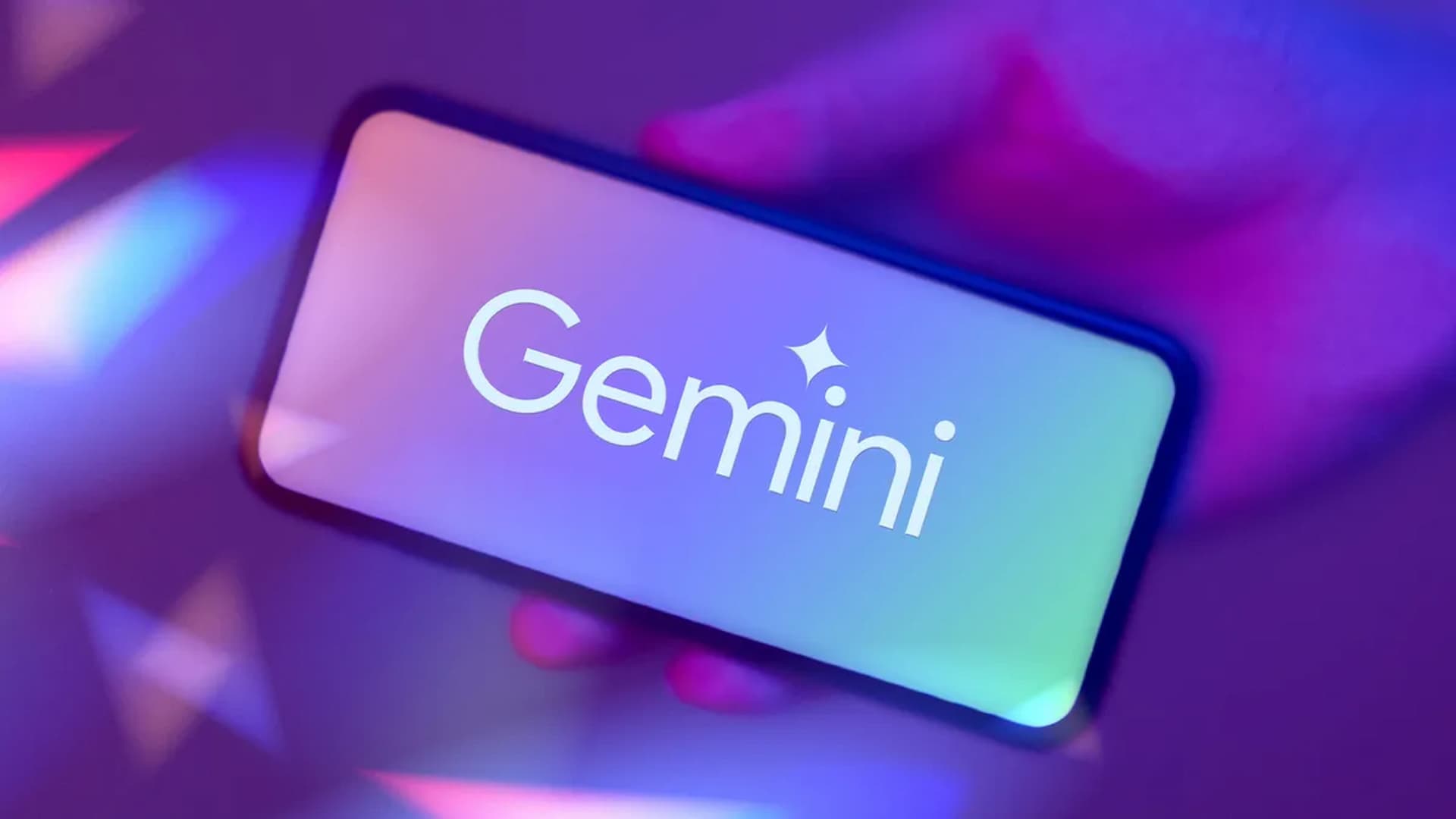
Google has introduced a new version of its Gemini AI platform tailored specifically for US government use, called Gemini for Government. The platform combines features such as image generation, enterprise search, and AI agent development, with compliance to standards like Sec4 and FedRAMP.
Gemini includes pre-built AI agents for research and idea generation, while also offering tools to create custom agents. US government customers will pay $0.50 per year for basic access, undercutting rivals OpenAI and Anthropic, who each launched $1 government-focused AI packages earlier this year.
Google emphasised security, privacy, and automation in its pitch, positioning the product as an all-in-one solution for public sector institutions. The launch follows the Trump administration’s AI Action Plan, which seeks to promote AI growth.
Would you like to learn more about AI, tech and digital diplomacy? If so, ask our Diplo chatbot!
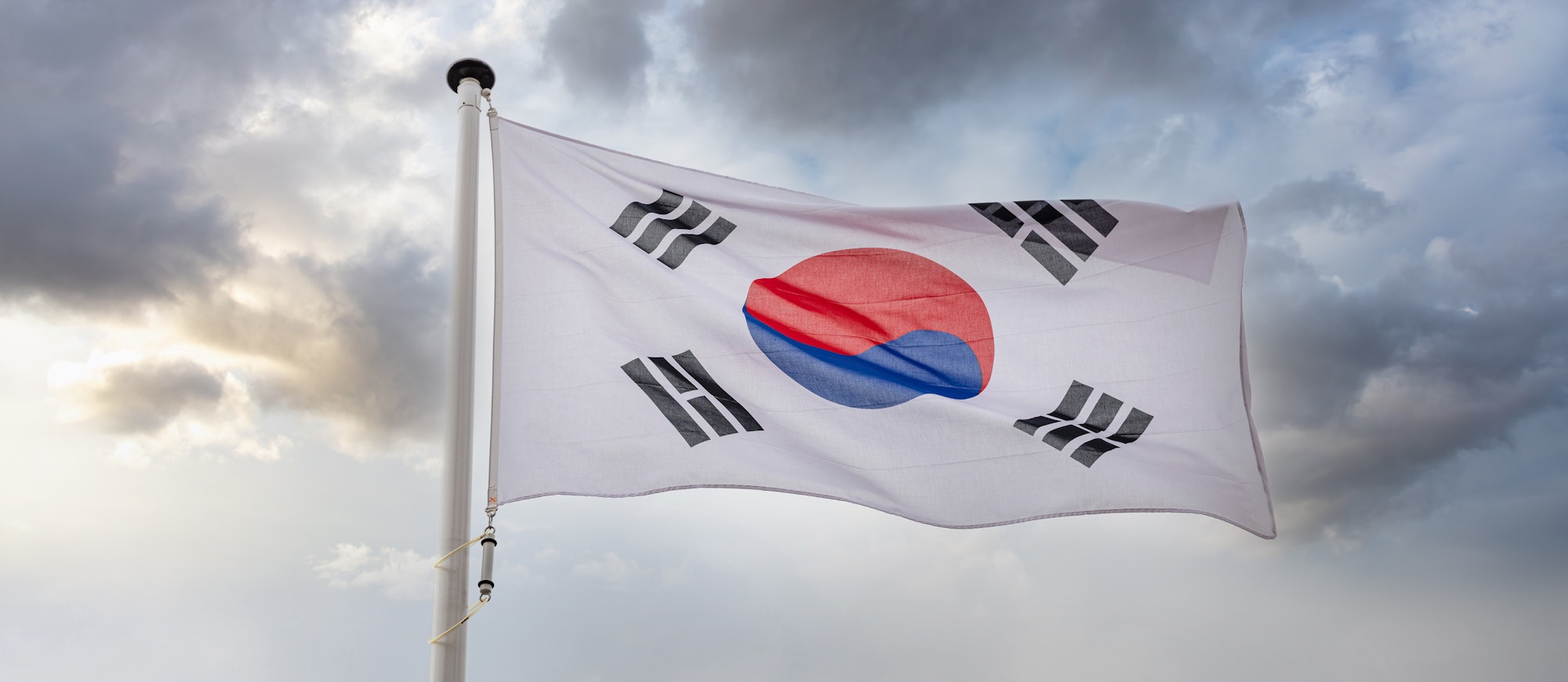
South Korea’s new administration has unveiled a five-year economic plan to build what it calls a ‘super-innovation economy’ by integrating AI across all sectors of society.
The strategy, led by President Lee Jae-myung, commits 100 trillion won (approximately US$71.5 billion) to position the country among the world’s top three AI powerhouses. Private firms will drive development, with government support for nationwide adoption.
Plans include a sovereign Korean-language AI model, humanoid robots for logistics and industry, and commercialising autonomous vehicles by 2027. Unmanned ships are targeted for completion by 2030, alongside widespread use of drones in firefighting and aviation.
AI will also be introduced into drug approvals, smart factories, welfare services, and tax administration, with AI-based tax consultations expected by 2026. Education initiatives and a national AI training data cluster will nurture talent and accelerate innovation.
Five domestic firms, including Naver Cloud, SK Telecom, and LG AI Research, will receive state support to build homegrown AI foundation models. Industry reports currently rank South Korea between sixth and 10th in global AI competitiveness.
Would you like to learn more about AI, tech and digital diplomacy? If so, ask our Diplo chatbot!
Google has expanded its AI Mode in Search to 180 additional countries and territories, introducing new agentic features to help users make restaurant reservations. The service remains limited to English and is not yet available in the European Union.
The update enables users to specify their dining preferences and constraints, allowing the system to scan multiple platforms and present real-time availability. Once a choice is made, users are directed to the restaurant’s booking page.
Partners supporting the service include OpenTable, Resy, SeatGeek, StubHub, Booksy, Tock, and Ticketmaster. The feature is part of Google’s Search Labs experiment, available to subscribers of Google AI Ultra in the United States.
AI Mode also tailors suggestions based on previous searches and introduces a Share function, letting users share restaurant options or planning results with others, with the option to delete links.
Would you like to learn more about AI, tech and digital diplomacy? If so, ask our Diplo chatbot!
The European Union is accelerating work on a digital euro after the United States introduced new legislation to regulate the $288 billion stablecoin market. Brussels officials warn the euro may lose ground to dollar-backed tokens without swift action.
Sources told the Financial Times that regulators are revisiting issuing the digital euro on public blockchains such as Ethereum or Solana. Privacy concerns had blocked the option, but US developments have led Europe to reconsider.
The European Central Bank warned that reliance on foreign payment systems could weaken Europe’s financial sovereignty. A digital € would provide strategic autonomy, countering the risk of deposits flowing abroad and reinforcing the euro’s role in international settlements.
China has already rolled out its digital yuan, while the UK is evaluating a digital pound. The US market is dominated by companies such as Circle and Tether, with banks like Citi and JPMorgan preparing their own tokens.
Although smaller euro stablecoins exist, ECB officials say a digital € would cement Europe’s competitive position in the evolving global financial system.
Would you like to learn more about AI, tech and digital diplomacy? If so, ask our Diplo chatbot!
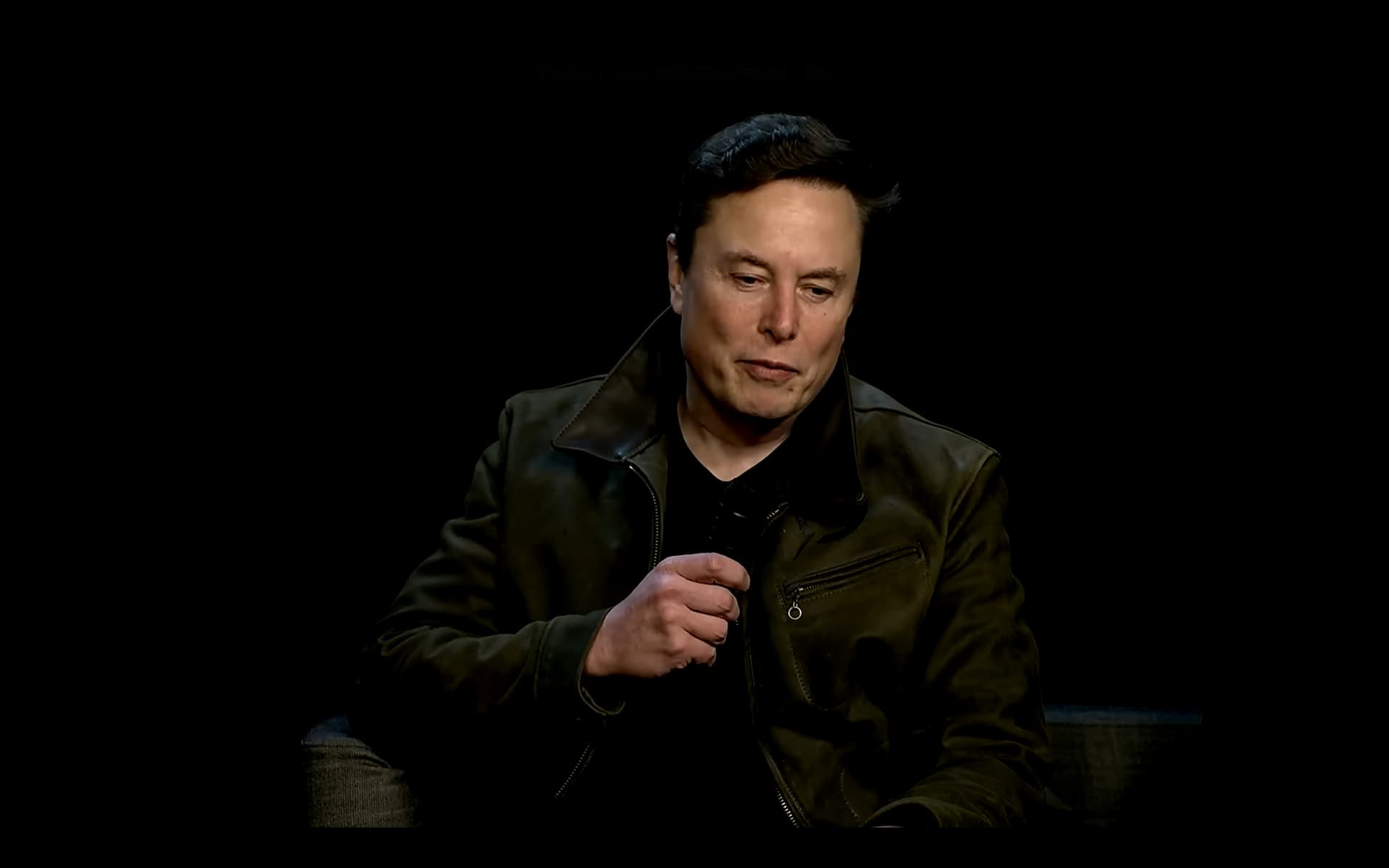
According to sworn interrogations, OpenAI said Musk had discussed possible financing arrangements with Zuckerberg as part of the bid. Musk’s AI startup xAI, a competitor to OpenAI, did not respond to requests for comment.
In the filing, OpenAI asked a federal judge to order Meta to provide documents related to any bid for OpenAI, including internal communications about restructuring or recapitalisation. The firm argued these records could clarify motivations behind the bid.
Meta countered that such documents were irrelevant and suggested OpenAI seek them directly from Musk or xAI. A US judge ruled that Musk must face OpenAI’s claims of attempting to harm the company through public remarks and what it described as a sham takeover attempt.
The legal dispute follows Musk’s lawsuit against OpenAI and Sam Altman over its for-profit transition, with OpenAI filing a countersuit in April. A jury trial is scheduled for spring 2026.
Would you like to learn more about AI, tech, and digital diplomacy? If so, ask our Diplo chatbot!
Meta has signed a cloud computing deal with Google worth more than $10 billion, marking one of the most significant agreements in the industry.
The six-year partnership will see Meta use Google Cloud’s servers, storage, networking and other services to power its massive AI projects.
The deal comes as Meta accelerates its AI infrastructure spending, with CEO Mark Zuckerberg pledging hundreds of billions of dollars for new data centres.
Last month, Meta raised its capital expenditure forecast to $72 billion and disclosed plans to offload $2 billion in data centre assets to outside partners.
The partnership highlights a growing trend of rival technology giants collaborating on AI infrastructure. Just weeks earlier, OpenAI struck a similar deal to use Google Cloud services despite being a competitor in the AI field.
These agreements have boosted Google Cloud’s performance, which saw a 32% jump in second-quarter revenue in July, surpassing market expectations.
Would you like to learn more aboutAI, tech and digital diplomacy? If so, ask our Diplo chatbot!
Russia will require all new mobile phones and tablets sold starting in September, including a government-backed messenger called Max. Developed by Kremlin-controlled tech firm VK, the app offers messaging, video calls, mobile payments, and access to state services.
Authorities claim Max is a safe alternative to Western apps, but critics warn it could act as a state surveillance tool. The platform is reported to collect financial data, purchase history, and location details, all accessible to security services.
Journalist Andrei Okun described Max as a ‘Digital Gulag’ designed to control daily life and communications.
The move is part of Russia’s broader push to replace Western platforms. New restrictions have already limited calls on WhatsApp and Telegram, and officials hinted that WhatsApp may face a ban.
Telegram remains widely used but is expected to face greater pressure as the Kremlin directs officials to adopt Max.
VK says Max has already attracted 18 million downloads, though parts of the app remain in testing. From 2026, Russia will also require smart TVs to come preloaded with a state-backed service offering free access to government channels.
Would you like to learn more about AI, tech and digital diplomacy? If so, ask our Diplo chatbot!
Europol has warned that a reported $50,000 reward for information on two members of the Qilin ransomware group is fake. The message, circulating on Telegram, claimed the suspects, known as Haise and XORacle, coordinate affiliates and manage extortion operations.
Europol clarified that it does not operate a Telegram channel and that the message does not originate from its official accounts, which are active on Instagram, LinkedIn, X, Bluesky, YouTube, and Facebook.
Qilin, also known as Agenda, has been active since 2022 and, in 2025, listed over 400 victims on its leak website, including media and pharmaceutical companies.
Recent attacks, such as the one targeting Inotiv, demonstrate the group’s ongoing threat. Analysts note that cybercriminals often circulate false claims to undermine competitors, mislead affiliates, or sow distrust within rival gangs.
Would you like to learn more aboutAI, tech and digital diplomacy? If so, ask our Diplo chatbot!
A new study in Robot Learning has introduced a robotic system that combines machine learning with decision-making to analyse water samples. The approach enables robots to detect, classify, and distinguish drinking water on Earth and potentially other planets.
Researchers used a hybrid method that merged the TOPSIS decision-making technique with a Random Forest Classifier trained on the Water Quality and Potability Dataset from Kaggle. By applying data balancing techniques, classification accuracy rose from 69% to 73%.
The robotic prototype includes thrusters, motors, solar power, sensors, and a robotic arm for sample collection. Water samples are tested in real time, with the onboard model classifying them as drinkable.
The system has the potential for rapid crisis response, sustainable water management, and planetary exploration, although challenges remain regarding sensor accuracy, data noise, and scalability. Researchers emphasise that further testing is necessary before real-world deployment.
Would you like to learn more about AI, tech and digital diplomacy? If so, ask our Diplo chatbot!