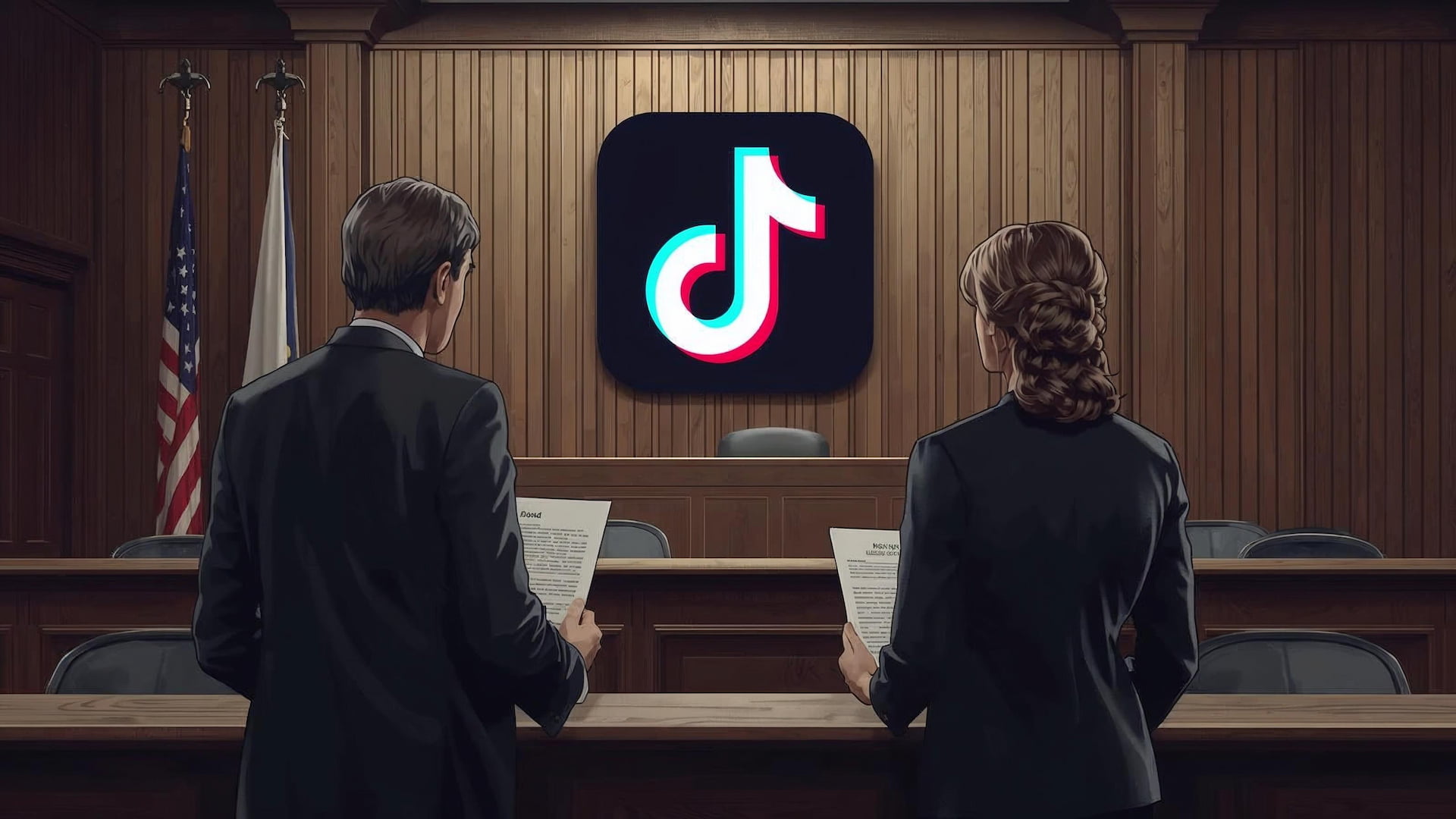
British parents suing TikTok over the deaths of their children have called for greater accountability from the platform, as the case begins hearings in the United States. One of the claimants said social media companies must be held accountable for the content shown to young users.
Ellen Roome, whose son died in 2022, said the lawsuit is about understanding what children were exposed to online.
The legal filing claims the deaths were a foreseeable result of TikTok’s design choices, which allegedly prioritised engagement over safety. TikTok has said it prohibits content that encourages dangerous behaviour.
Roome is also campaigning for proposed legislation that would allow parents to access their children’s social media accounts after a death. She said the aim is to gain clarity and prevent similar tragedies.
TikTok said it removes most harmful content before it is reported and expressed sympathy for the families. The company is seeking to dismiss the case, arguing that the US court lacks jurisdiction.
Would you like to learn more about AI, tech, and digital diplomacy? If so, ask our Diplo chatbot!
Samsara has built a platform that helps companies with physical operations run more safely and efficiently. Founded in 2015 by MIT alumni John Bicket and Sanjit Biswas, the company connects workers, vehicles, and equipment through cloud-based analytics.
The platform combines sensors, AI cameras, GPS tracking, and real-time alerts to cut accidents, fuel use, and maintenance costs. Large companies across logistics, construction, manufacturing, and energy report cost savings and improved safety after adopting the system.
Samsara turns large volumes of operational data into actionable insights for frontline workers and managers. Tools like driver coaching, predictive maintenance, and route optimisation reduce risk at scale while recognising high-performing field workers.
The company is expanding its use of AI to manage weather risk, support sustainability, and enable the adoption of electric fleets. They position data-driven decision-making as central to modernising critical infrastructure worldwide.
Would you like to learn more about AI, tech and digital diplomacy? If so, ask our Diplo chatbot!
Elevate for Educators, launched by Microsoft, is a global programme designed to help teachers build the skills and confidence to use AI tools in the classroom. The initiative provides free access to training, credentials, and professional learning resources.
The programme connects educators to peer networks, self-paced courses, and AI-powered simulations. The aim is to support responsible AI adoption while improving teaching quality and classroom outcomes.
New educator credentials have been developed in partnership with ISTE and ASCD. Schools and education systems can also gain recognition for supporting professional development and demonstrating impact in classrooms.
AI-powered education tools within Microsoft 365 have been expanded to support lesson planning and personalised instruction. New features help teachers adapt materials to different learning needs and provide students with faster feedback.
College students will also receive free access to Microsoft 365 Premium and LinkedIn Premium Career for 12 months. The offer includes AI tools, productivity apps, and career resources to support future employment.
Would you like to learn more about AI, tech, and digital diplomacy? If so, ask our Diplo chatbot!
London Mayor Sir Sadiq Khan has warned that AI could become a ‘weapon of mass destruction of jobs‘ if its impact is not managed correctly. He said urgent action is needed to prevent large-scale unemployment.
Speaking at Mansion House in the UK capital, Khan said London is particularly exposed due to the concentration of finance, professional services, and creative industries. He described the potential impact on jobs as ‘colossal’.
Khan said AI could improve public services and help tackle challenges such as cancer care and climate change. At the same time, he warned that reckless use could increase inequality and concentrate wealth and power.
Polling by City Hall suggests more than half of London workers expect AI to affect their jobs within a year. Sadiq Khan said entry-level roles may disappear fastest, limiting opportunities for young people.
The mayor announced a new task force to assess how Londoners can be supported through the transition. His office will also commission free AI training for residents.
Would you like to learn more about AI, tech, and digital diplomacy? If so, ask our Diplo chatbot!
Smoke alarms remain critical in preventing fatal house fires, according to fire safety officials. Real-life incidents show how early warnings can allow families to escape rapidly spreading blazes.
Modern fire risks are evolving, with lithium-ion batteries and e-bikes creating fast and unpredictable fires. These incidents can release toxic gases and escalate before flames are clearly visible.
Traditional smoke alarm technology continues to perform reliably despite changes in household risks. At the same time, intelligent and AI-based systems are being developed to detect danger sooner.
Reducing false alarms has become a priority, as nuisance alerts often lead people to turn off devices. Fire experts stress that a maintained, certified smoke alarm is far safer than no smoke alarm at all.
Would you like to learn more about AI, tech, and digital diplomacy? If so, ask our Diplo chatbot!
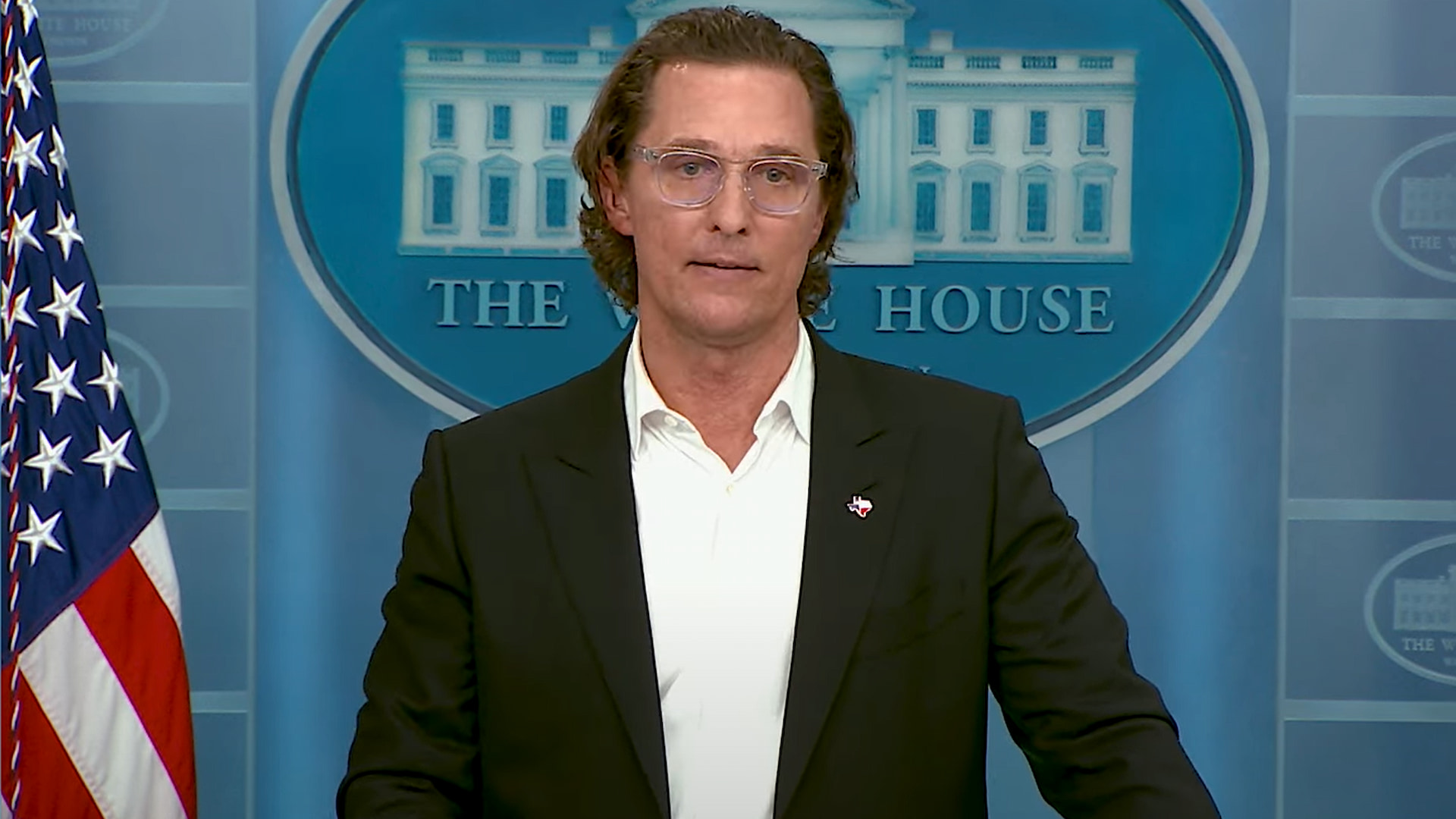
Oscar-winning actor Matthew McConaughey has trademarked his image and voice to protect them from unauthorised use by AI platforms. His lawyers say the move is intended to safeguard consent and attribution in an evolving digital environment.
Several clips, including his well-known catchphrase from Dazed and Confused, have been registered with the United States Patent and Trademark Office. Legal experts say it is the first time an actor has used trademark law to address potential AI misuse of their likeness.
McConaughey’s legal team said there is no evidence of his image being manipulated by AI so far. The trademarks are intended to act as a preventative measure against unauthorised copying or commercial use.
The actor said he wants to ensure any future use of his voice or appearance is approved. Lawyers also said the approach could help capture value created through licensed AI applications.
Concerns over deepfakes and synthetic media are growing across the entertainment industry. Other celebrities have faced unauthorised AI-generated content, prompting calls for stronger legal protections.
Would you like to learn more about AI, tech, and digital diplomacy? If so, ask our Diplo chatbot!
Claims that removing polite words from ChatGPT prompts could reduce environmental impact are misleading, experts say. Extra words add minimal processing demand compared with overall system energy use.
AI consumes power mainly because every query triggers new computation. Unlike stored digital content, each AI response requires a full processing cycle within large-scale data centres.
Those facilities rely on constant electricity, cooling and water supplies. Rising AI use is therefore increasing pressure on energy systems and local infrastructure worldwide.
Experts argue the real issue lies in how AI infrastructure is planned and regulated. Focusing on prompt wording distracts from managing AI’s long-term environmental footprint.
Would you like to learn more about AI, tech, and digital diplomacy? If so, ask our Diplo chatbot!
San Francisco-based company Cloudflare has acquired Human Native, an AI data marketplace designed to connect content creators with AI developers seeking high-quality training and inference material.
A move that reflects growing pressure to establish clearer economic rules for how online content is used by AI systems.
The acquisition is intended to help creators and publishers decide whether to block AI access entirely, optimise material for machine use, or license content for payment instead of allowing uncontrolled scraping.
Cloudflare says the tools developed through Human Native will support transparent pricing and fair compensation across the AI supply chain.
Human Native, founded in 2024 and backed by UK-based investors, focuses on structuring original content so it can be discovered, accessed and purchased by AI developers through standardised channels.
The team includes researchers and engineers with experience across AI research, design platforms and financial media.
Cloudflare argues that access to reliable and ethically sourced data will shape long-term competition in AI. By integrating Human Native into its wider platform, the company aims to support a more sustainable internet economy that balances innovation with creator rights.
Would you like to learn more about AI, tech and digital diplomacy? If so, ask our Diplo chatbot!
South Korea has approved legislation establishing a legal framework for issuing and trading tokenised securities. Amendments recognise blockchain-based securities as legitimate, with rules taking effect in January 2027.
Eligible issuers can create tokenised debt and equity products using blockchain infrastructure, while brokerages and licensed intermediaries will facilitate trading.
Regulators aim to combine the efficiency of distributed ledgers with investor protections and expand the use of smart contracts, enabling previously restricted investments in real estate, art, or agriculture to reach a broader audience.
Implementation will be led by the Financial Services Commission, in collaboration with the Financial Supervisory Service, the Korea Securities Depository, and industry participants.
Consultation bodies will develop infrastructure such as ledger-based account management systems, while local firms, including Mirae Asset Securities and Hana Financial Group, are preparing platforms for the new rules.
Analysts project tokenised assets could reach $2 trillion globally by 2028, with South Korea’s market at $249 billion.
The legislation also complements South Korea’s efforts to regulate blockchain and curb cryptocurrency-related financial crime.
Would you like to learn more about AI, tech and digital diplomacy? If so, ask our Diplo chatbot!
A recent study from Workday reveals that 40% of the time saved by AI in the workplace is spent correcting errors, highlighting a growing productivity paradox. Frequent AI users are bearing the brunt, often double- or triple-checking outputs to ensure accuracy.
Despite widespread adoption- 87% of employees report using AI at least a few times per week, and 85% save one to seven hours weekly-much of that time is redirected to fixing low-quality results rather than achieving net gains in productivity.
The findings suggest that AI can increase workloads rather than streamline operations if not implemented carefully.
Experts argue that AI should enhance human work rather than replace it. Employees need tools that handle complex tasks reliably, allowing teams to focus on creativity, judgment, and strategic decision-making.
Upskilling staff to manage AI effectively is critical to realising sustainable productivity benefits.
The study also highlights the risk of organisations prioritising speed over quality. Many AI tools place trust and accuracy responsibilities on employees, creating hidden costs and risks for decision-making.
Would you like to learn more about AI, tech and digital diplomacy? If so, ask our Diplo chatbot!