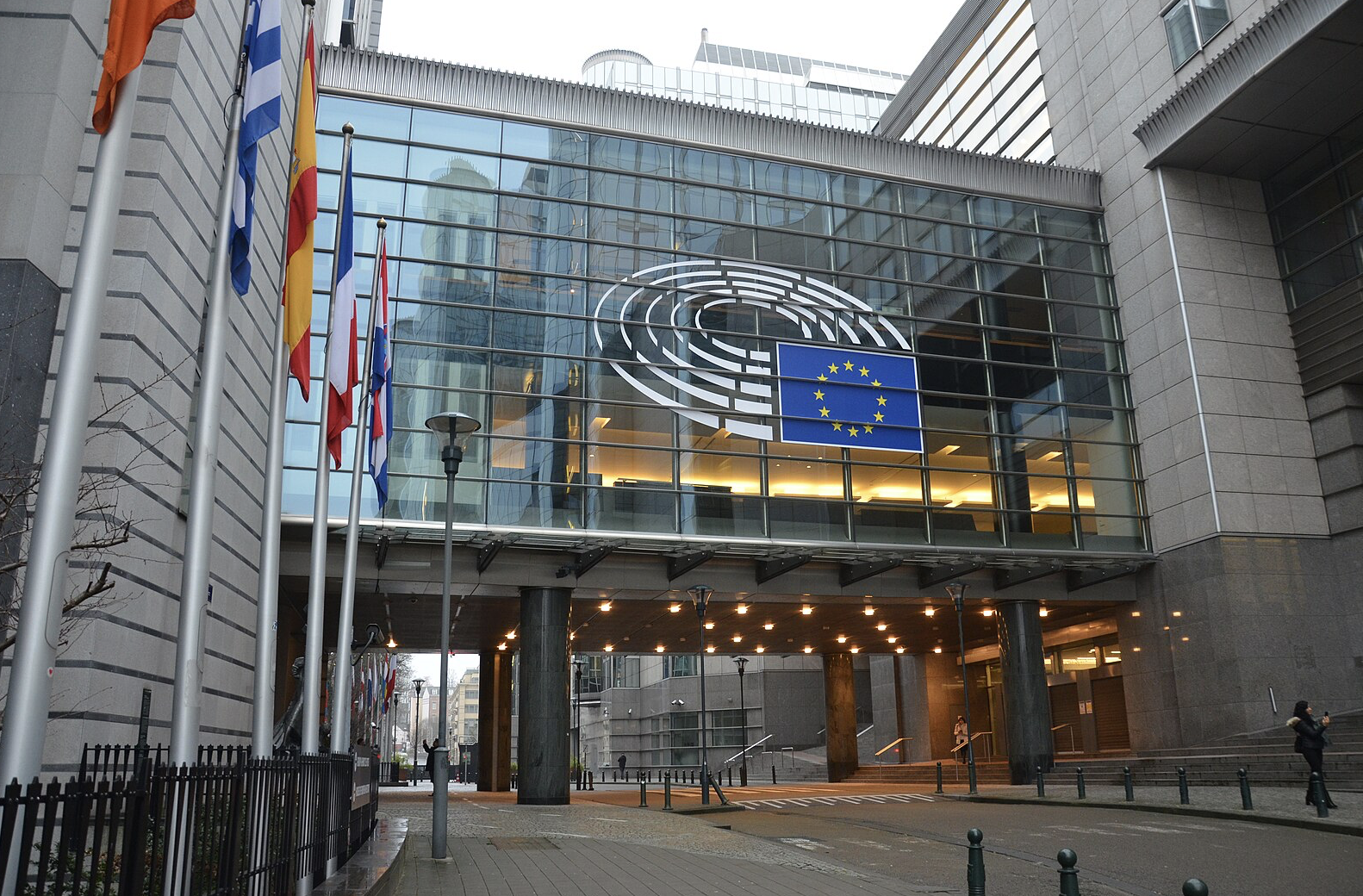
European lawmakers remain divided over whether AI tools that generate non-consensual sexual images should face an explicit ban in the EU legislation.
The split emerged as debate intensified over the AI simplification package, which is moving through Parliament and the Council rather than remaining confined to earlier negotiations.
Concerns escalated after Grok was used to create images that digitally undressed women and children.
The EU regulators responded by launching an investigation under the Digital Services Act, and the Commission described the behaviour as illegal under existing European rules. Several lawmakers argue that the AI Act should name pornification apps directly instead of relying on broader legal provisions.
Lead MEPs did not include a ban in their initial draft of the Parliament’s position, prompting other groups to consider adding amendments. Negotiations continue as parties explore how such a restriction could be framed without creating inconsistencies within the broader AI framework.
The Commission appears open to strengthening the law and has hinted that the AI omnibus could be an appropriate moment to act. Lawmakers now have a limited time to decide whether an explicit prohibition can secure political agreement before the amendment deadline passes.
Would you like to learn more about AI, tech and digital diplomacy? If so, ask our Diplo chatbot!

Albania has lifted its temporary ban on TikTok after nearly a year, the government announced, saying that concerns about public, social and digital safety have now been addressed and that access will resume nationwide.
The restriction was introduced in March 2025 following a fatal stabbing linked to a social media dispute and aimed to protect younger users instead of exposing them to harmful online content.
Under the new arrangement, authorities are partnering with TikTok to introduce protective filters based on keywords and content controls and to strengthen reporting mechanisms for harmful material.
The government described the decision as a shift from restrictive measures to a phase of active monitoring, inter-institutional cooperation, and shared responsibility with digital platforms.
Although the ban has now been lifted, a court challenge contends that the earlier suspension violated the constitutional right to freedom of expression, and a ruling is expected later in February. Opposition figures also criticised the original ban when it was applied ahead of parliamentary elections.
Despite the formal ban, TikTok remained accessible to many users in Albania through virtual private networks during the year it was in force, highlighting the challenge of enforcing such blocks in practice.
Critics have also noted that addressing the impact on youth may require broader digital education and safety measures.
Would you like to learn more about AI, tech and digital diplomacy? If so, ask our Diplo chatbot!

Microsoft has warned that info stealing malware is increasingly targeting macOS alongside Windows, using cross platform tools and social engineering. The company said the trend accelerated from late 2025.
Attackers are luring macOS users to fake websites and malicious installers, often promoted through online ads. Microsoft said these campaigns steal credentials, crypto wallets and browser sessions on macOS and Windows.
Python based malware is also playing a larger role, enabling attackers to target macOS and Windows with the same code. Microsoft reported growing abuse of trusted platforms such as WhatsApp to spread infostealers.
Microsoft urged organisations and individuals to strengthen layered cybersecurity on macOS and Windows. The company said better user awareness and monitoring could reduce the risk of data theft and account compromise.
Would you like to learn more about AI, tech and digital diplomacy? If so, ask our Diplo chatbot!

Phishing continues to succeed despite increasingly sophisticated AI-driven threats, with attackers relying on familiar tools such as PDFs and cloud services. Researchers have identified a new campaign using legitimate-looking documents to redirect victims to credential-harvesting pages impersonating Dropbox.
The attack starts with professional emails framed as procurement or tender requests. When recipients open the attached PDF, they are quietly redirected through trusted cloud infrastructure before reaching a fake Dropbox login page designed to steal corporate credentials.
Each stage appears legitimate in isolation, allowing the campaign to bypass standard filters and authentication checks. Business-style language, reputable hosting platforms, and realistic branding reduce suspicion while exploiting everyday workplace routines.
Security specialists warn that long-standing trust in PDFs and mainstream cloud services has lowered user vigilance. Employees have been conditioned to view these formats as safe, creating opportunities for attackers to weaponise familiar business tools.
Experts say phishing awareness must evolve beyond basic link warnings to reflect modern multi-stage attacks. Alongside training, layered defences such as multi-factor authentication and anomaly detection remain essential for limiting damage.
Would you like to learn more about AI, tech, and digital diplomacy? If so, ask our Diplo chatbot!

The US tech giant, Google, has alerted users that more than 40% of Android phones are vulnerable to new malware and spyware due to outdated software. Phones running older versions than Android 13 no longer receive security updates, leaving over a billion users worldwide at risk.
Data shows Android 16 is present on only 7.5% of devices, while versions 15, 14, and 13 still dominate the market.
Slow adoption of updates means many devices remain exposed, even when security patches are available. Google emphasised that outdated phones are particularly unsafe and cannot protect against emerging threats.
Users are advised to upgrade to Android 13 or newer, or purchase a mid-range device that receives regular updates, instead of keeping an old high-end phone without support. Unlike Apple, where most iPhones receive timely updates, older Android devices may never get the necessary security fixes.
The warning highlights the urgent need for users to act immediately to avoid potential data breaches and spyware attacks. Google’s message is clear: using unsupported Android devices is a growing global security concern.
Would you like to learn more about AI, tech and digital diplomacy? If so, ask our Diplo chatbot!

The cybercrime unit of the Paris prosecutor has raided the French office of X as part of an expanding investigation into alleged algorithm manipulation and illicit data extraction.
Authorities said the probe began in 2025 after a lawmaker warned that biassed algorithms on the platform might have interfered with automated data systems. Europol supported the operation together with national cybercrime officers.
Prosecutors confirmed that the investigation now includes allegations of complicity in circulating child sex abuse material, sexually explicit deepfakes and denial of crimes against humanity.
Elon Musk and former chief executive Linda Yaccarino have been summoned for questioning in April in their roles as senior figures of the company at the time.
The prosecutor’s office also announced its departure from X in favour of LinkedIn and Instagram, rather than continuing to use the platform under scrutiny.
X strongly rejected the accusations and described the raid as politically motivated. Musk claimed authorities should focus on pursuing sex offenders instead of targeting the company.
The platform’s government affairs team said the investigation amounted to law enforcement theatre rather than a legitimate examination of serious offences.
Regulatory pressure increased further as the UK data watchdog opened inquiries into both X and xAI over concerns about Grok producing sexualised deepfakes. Ofcom is already conducting a separate investigation that is expected to take months.
The widening scrutiny reflects growing unease around alleged harmful content, political interference and the broader risks linked to large-scale AI systems.
Would you like to learn more about AI, tech and digital diplomacy? If so, ask our Diplo chatbot!

Cybersecurity researchers uncovered an unsecured database exposing 8.7 billion records linked to individuals and businesses in China. The data was found in early January 2026 and remained accessible online for more than three weeks.
The China focused dataset included national ID numbers, home addresses, email accounts, social media identifiers and passwords. Researchers warned that the scale of exposure in China creates serious risks of identity theft and account takeovers.
The records were stored in a large Elasticsearch cluster hosted on so called bulletproof infrastructure. Analysts believe the structure suggests deliberate aggregation in China rather than an accidental misconfiguration.
Although the database is now closed, experts say actors targeting China may have already copied the data. China has experienced several major leaks in recent years, highlighting persistent weaknesses in large scale data handling.
Would you like to learn more about AI, tech and digital diplomacy? If so, ask our Diplo chatbot!

Web Summit Qatar is underway in Doha, drawing startups, investors, and technology leaders to discuss emerging trends shaping the global digital economy. Early sessions featured startup pitches, investor meetings, and discussions on AI, quantum technologies, and the creator economy.
More than 1,600 startups are taking part, with around 85% arriving from outside Qatar, joined by nearly 1,000 investors. Funds such as Amino Capital, Greycroft, and 500 Global are scouting opportunities, as journalists cover debates on tech geopolitics and innovation policy.
Germany is marking its strongest showing to date, bringing more than 200 startups, investors, and decision-makers. The German Pavilion showcases AI, cybersecurity, deep tech, and industrial innovation, highlighting plans to deepen cooperation with regional partners.
Beyond visibility, the summit emphasises partnerships, market entry, and long-term collaboration. Organisers and participants point to growing ties between Germany and Qatar as both countries seek to deepen cooperation across advanced technology and innovation ecosystems.
Would you like to learn more about AI, tech and digital diplomacy? If so, ask our Diplo chatbot!

Institutions in the EU have begun designing a new framework to help European armies share defence information securely, rather than relying on US technology.
A plan centred on creating a military-grade data platform, the European Defence Artificial Intelligence Data Space, is intended to support sensitive exchanges among defence authorities.
Ultimately, the approach aims to replace the current patchwork of foreign infrastructure that many member states rely on to store and transfer national security data.
The European Defence Agency is leading the effort and expects the platform to be fully operational by 2030. The concept includes two complementary elements: a sovereign military cloud for data storage and a federated system that allows countries to exchange information on a trusted basis.
Officials argue that this will improve interoperability, speed up joint decision-making, and enhance operational readiness across the bloc.
A project that aligns with broader concerns about strategic autonomy, as EU leaders increasingly question long-standing dependencies on American providers.
Several European companies have been contracted to develop the early technical foundations. The next step is persuading governments to coordinate future purchases so their systems remain compatible with the emerging framework.
Planning documents suggest that by 2029, member states should begin integrating the data space into routine military operations, including training missions and coordinated exercises. EU authorities maintain that stronger control of defence data will be essential as military AI expands across European forces.
Would you like to learn more about AI, tech and digital diplomacy? If so, ask our Diplo chatbot!

Hamad Bin Khalifa University has unveiled the UNESCO Chair on Digital Technologies and Human Behaviour to strengthen global understanding of how emerging tools shape society.
An initiative, located in the College of Science and Engineering in Qatar, that will examine the relationship between digital adoption and human behaviour, focusing on digital well-being, ethical design and healthier online environments.
The Chair is set to address issues such as internet addiction, cyberbullying and misinformation through research and policy-oriented work.
By promoting dialogue among international organisations, governments and academic institutions, the programme aims to support the more responsible development of digital technologies rather than approaches that overlook societal impact.
HBKU’s long-standing emphasis on ethical innovation formed the foundation for the new initiative. The launch event brought together experts from several disciplines to discuss behavioural change driven by AI, mobile computing and social media.
An expert panel considered how GenAI can improve daily life while also increasing dependency, encouraging users to shift towards a more intentional and balanced relationship with AI systems.
UNESCO underlined the importance of linking scientific research with practical policymaking to guide institutions and communities.
The Chair is expected to strengthen cooperation across sectors and support progress on global development goals by ensuring digital transformation remains aligned with human dignity, social cohesion and inclusive growth.
Would you like to learn more about AI, tech and digital diplomacy? If so, ask our Diplo chatbot!
