Folk singer Emily Portman has become the latest artist targeted by fraudsters releasing AI-generated music in her name. Fans alerted her to a fake album called Orca appearing on Spotify and iTunes, which she said sounded uncannily like her style but was created without her consent.
Portman has filed copyright complaints, but says the platforms were slow to act, and she has yet to regain control of her Spotify profile. Other artists, including Josh Kaufman, Jeff Tweedy, Father John Misty, Sam Beam, Teddy Thompson, and Jakob Dylan, have faced similar cases in recent weeks.
Many of the fake releases appear to originate from the same source, using similar AI artwork and citing record labels with Indonesian names. The tracks are often credited to the same songwriter, Zyan Maliq Mahardika, whose name also appears on imitations of artists in other genres.
Industry analysts say streaming platforms and distributors are struggling to keep pace with AI-driven fraud. Tatiana Cirisano of Midia Research noted that fraudsters exploit passive listeners to generate streaming revenue, while services themselves are turning to AI and machine learning to detect impostors.
Observers warn the issue is likely to worsen before it improves, drawing comparisons to the early days of online piracy. Artists and rights holders may face further challenges as law enforcement attempts to catch up with the evolving abuse of AI.
Would you like to learn more about AI, tech, and digital diplomacy? If so, ask our Diplo chatbot!
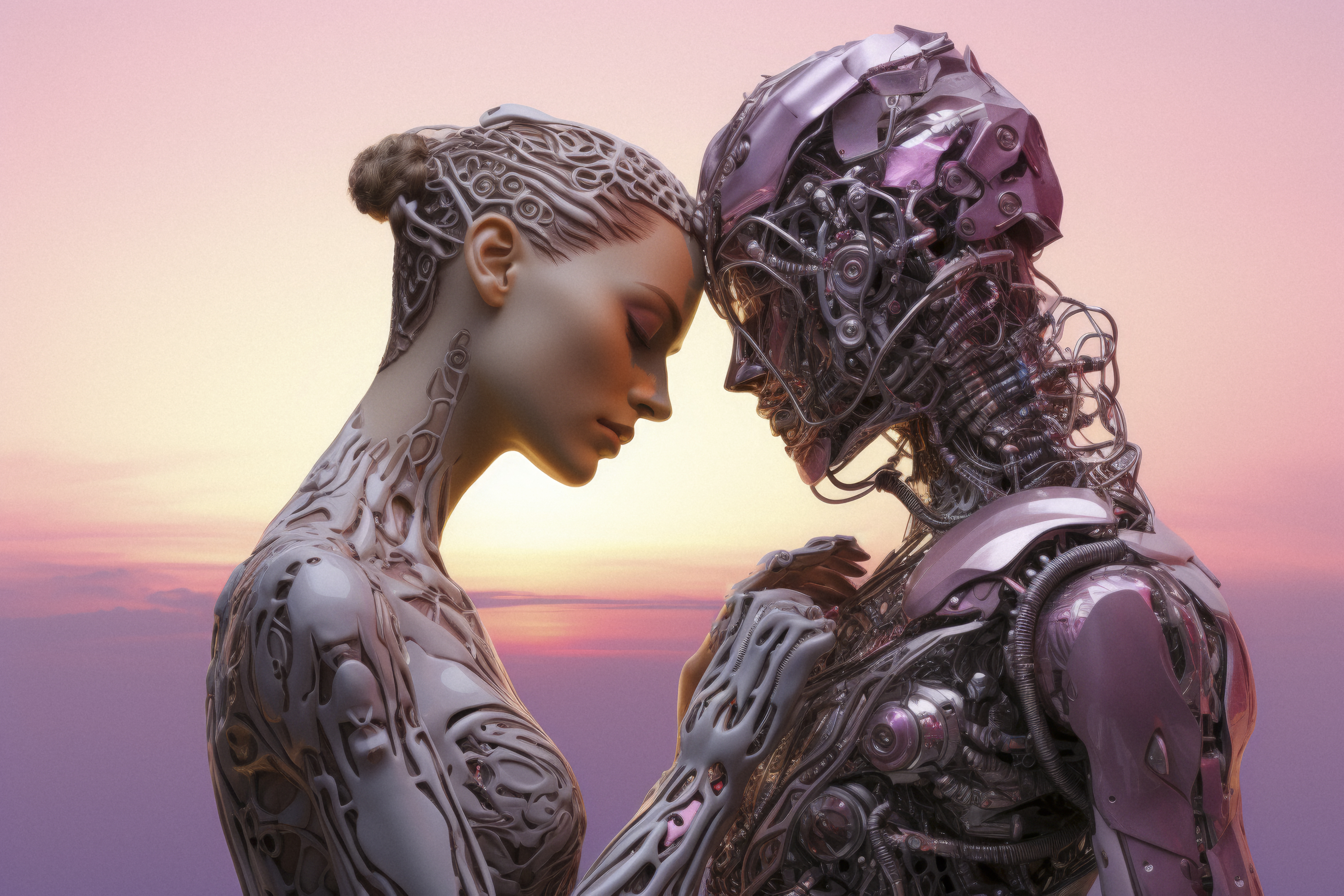
Microsoft’s AI chief and DeepMind co-founder, Mustafa Suleyman, has warned that society is unprepared for AI systems that convincingly mimic human consciousness. He warned that ‘seemingly conscious’ AI could make the public treat machines as sentient.
Suleyman highlighted potential risks including demands for AI rights, welfare, and even AI citizenship. Since the launch of ChatGPT in 2022, AI developers have increasingly designed systems to act ‘more human’.
Experts caution that such technology could intensify mental health problems and distort perceptions of reality. The phenomenon known as AI Psychosis sees users forming intense emotional attachments or believing AI to be conscious or divine.
Suleyman called for clear boundaries in AI development, emphasising that these systems should be tools for people rather than digital persons. He urged careful management of human-AI interaction without calling for a halt to innovation.
Would you like to learn more about AI, tech and digital diplomacy? If so, ask our Diplo chatbot!
The United Kingdom has unveiled a strategy to grow its digital economy to £1 trillion by harnessing AI, quantum computing, and cybersecurity. The plan emphasises public-private partnerships, training, and international collaboration to tackle skills shortages and infrastructure gaps.
The initiative builds on the UK tech sector’s £1.2 trillion valuation, with regional hubs in cities such as Bristol and Manchester fuelling expansion in emerging technologies. Experts, however, warn that outdated systems and talent deficits could stall progress unless workforce development accelerates.
AI is central to the plan, with applications spanning healthcare and finance. Quantum computing also features, with investments in research and cybersecurity aimed at strengthening resilience against supply disruptions and future threats.
The government highlights sustainability as a priority, promoting renewable energy and circular economies to ensure digital growth aligns with environmental goals. Regional investment in blockchain, agri-tech, and micro-factories is expected to create jobs and diversify innovation-driven growth.
By pursuing these initiatives, the UK aims to establish itself as a leading global tech player alongside the US and China. Ethical frameworks and adaptive strategies will be key to maintaining public trust and competitiveness.
Would you like to learn more about AI, tech, and digital diplomacy? If so, ask our Diplo chatbot!
Cyberattacks are intensifying worldwide, with Australia now ranked fourth globally for threats against operational technology and industrial sectors. Rising AI-powered incursions have exposed serious vulnerabilities in the country’s national defence and critical infrastructure.
The 2023–2030 Cyber Security Strategy designed by the Government of Australia aims to strengthen resilience through six ‘cyber shields’, including legislation and intelligence sharing. But a skills shortage leaves organisations vulnerable as ransomware attacks on mining and manufacturing continue to rise.
One proposal gaining traction is the creation of a volunteer ‘cyber militia’. Inspired by the cyber defence unit in Estonia, this network would mobilise unconventional talent, retirees, hobbyist hackers, and students, to bolster monitoring, threat hunting, and incident response.
Supporters argue that such a force could fill gaps left by formal recruitment, particularly in smaller firms and rural networks. Critics, however, warn of vetting risks, insider threats, and the need for new legal frameworks to govern liability and training.
Pilot schemes in high-risk sectors, such as energy and finance, have been proposed, with public-private funding viewed as crucial. Advocates argue that a cyber militia could democratise security and foster collective responsibility, aligning with the country’s long-term cybersecurity strategy.
Would you like to learn more about AI, tech, and digital diplomacy? If so, ask our Diplo chatbot!
OpenAI has launched GPT-4b micro, an AI model developed with longevity startup Retro Biosciences to accelerate protein engineering. Unlike chatbots, it focuses on biological sequences and 3D structures.
The model redesigned two Yamanaka factors- proteins that convert adult cells into stem cells, showing 50-fold higher efficiency in lab tests and improved DNA repair. Older cells acted more youthful, potentially shortening trial-and-error in regenerative medicine.
AI-designed proteins could speed up drug development and allow longevity startups to rejuvenate cells safely and consistently. The work also opens new possibilities in synthetic biology beyond natural evolution.
OpenAI emphasised that the research is still early and lab-based, with clinical applications requiring caution. Transparency is key, as the technology’s power to design potent proteins quickly raises biosecurity considerations.
Would you like to learn more about AI, tech and digital diplomacy? If so, ask our Diplo chatbot!
Residents of Tokyo have been shown a stark warning of what could happen if Mount Fuji erupts.
The metropolitan government released a three-minute AI-generated video depicting the capital buried in volcanic ash to raise awareness and urge preparation.
The simulation shows thick clouds of ash descending on Shibuya and other districts about one to two hours after an eruption, with up to 10 centimetres expected to accumulate. Unlike snow, volcanic ash does not melt away but instead hardens, damages powerlines, and disrupts communications once wet.
The video also highlights major risks to transport. Ash on train tracks, runways, and roads would halt trains, ground planes, and make driving perilous.
Two-wheel vehicles could become unusable under even modest ashfall. Power outages and shortages of food and supplies are expected as shops run empty, echoing the disruption seen after the 2011 earthquake.
Officials advise people to prepare masks, goggles, and at least three days of emergency food. The narrator warns that because no one knows when Mount Fuji might erupt, daily preparedness in Japan is vital to protect health, infrastructure, and communities.
Would you like to learn more aboutAI, tech and digital diplomacy? If so, ask our Diplo chatbot!
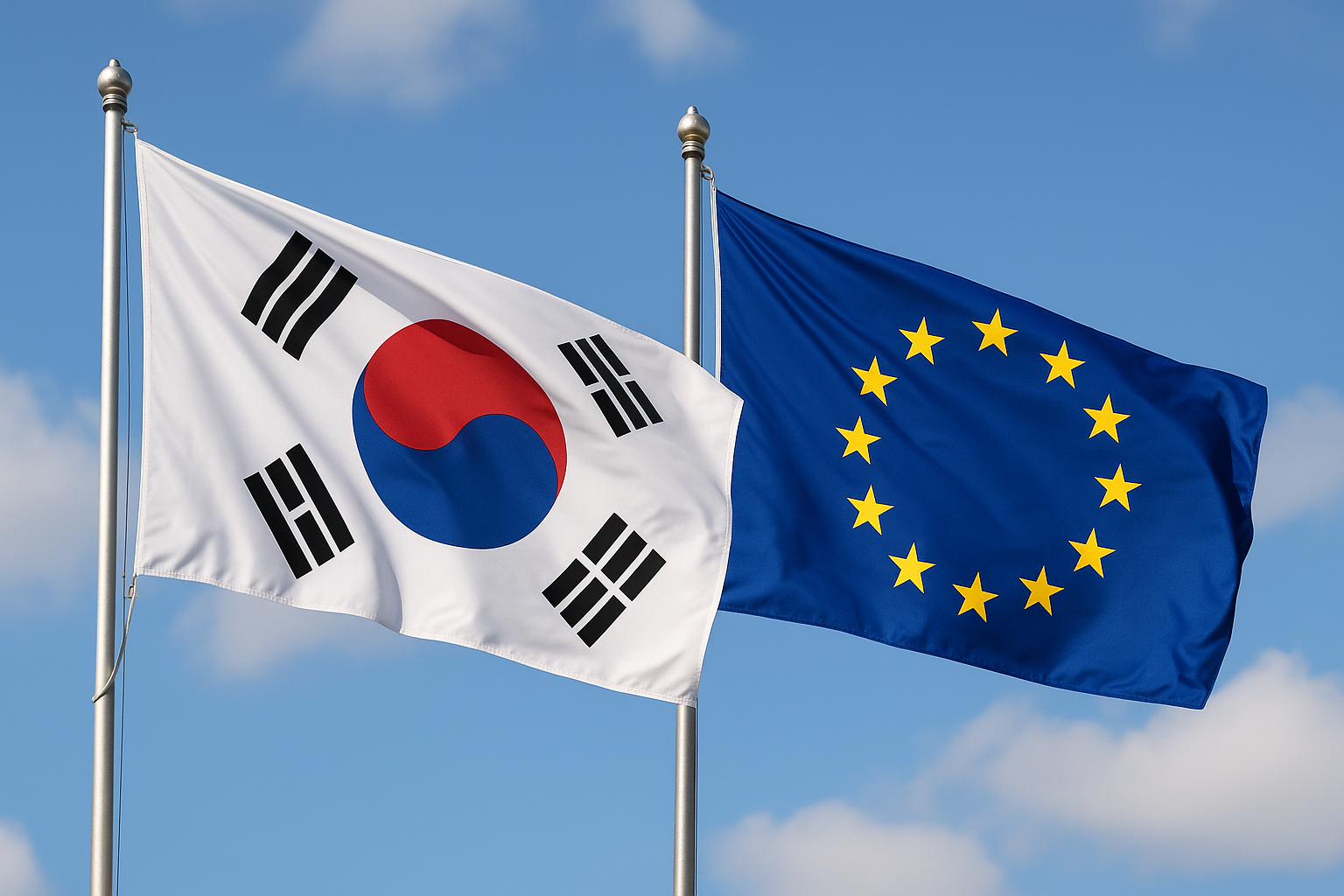
The European Union and South Korea will bring together top policymakers, industry experts, and academics for a high-level seminar on the role of AI in transforming energy systems. The event, titled ‘AI & Energy: Delivering EU and Korea’s Digital and Green Ambitions’, will take place on 27 August 2025 during the World Climate Industry Expo in Busan.
It comes at a time when AI is revolutionising global industries and driving up energy demand, with data centres alone expected to double their electricity use by 2030. Around 150 participants will explore how AI can optimise grids, boost efficiency, and make energy systems more flexible, while ensuring sustainability.
Senior European officials, including Ditte Juul Jørgensen of the European Commission and climate leaders from Finland and the Netherlands, will join Korean representatives to discuss opportunities for cooperation. The seminar builds on the momentum of international clean energy talks held a day earlier.
The discussions also align with the EU’s Affordable Energy Action Plan, which launched a consultation earlier this month to shape its 2026 Strategic Roadmap on digitalisation and AI in energy. That initiative aims to scale up innovative technologies to accelerate decarbonisation.
Meanwhile, under President Lee Jae-Myung, South Korea is pursuing its own AI-driven growth strategy, investing in ‘AI highways’ and a national coordination body to support the energy transition.
The seminar underscores the EU–Korea Green Partnership’s vision: building a clean, competitive, and digitally empowered energy future by bringing together policymakers, researchers, and industry innovators.
Would you like to learn more about AI, tech and digital diplomacy? If so, ask our Diplo chatbot!
Google is urging its workforce to adopt AI in everyday tasks instead of relying solely on traditional methods.
CEO Sundar Pichai has warned that falling behind in AI could risk the company’s competitive edge, especially as rivals like Microsoft, Amazon and Meta push their staff to embrace similar tools.
Early trials inside Google suggest a significant boost in efficiency, with engineers reporting a 10% increase in weekly productivity after adopting AI.
The company has launched a training initiative called AI Savvy Google to accelerate the shift. The programme provides courses, toolkits and hands-on sessions to help employees integrate AI into their workflows.
One of the standout tools is Cider, an AI-powered coding assistant already used by half of the engineers with access to it.
Executives believe AI will soon become an essential part of software engineering. Brian Saluzzo, a senior leader at Google, told staff that internal AI tools will continue to improve and become deeply embedded in coding work.
The company stresses the importance of using AI to support rather than replace workers, with the training programme designed to upskill employees instead of pushing them aside.
Would you like to learn more aboutAI, tech and digital diplomacy? If so, ask our Diplo chatbot!
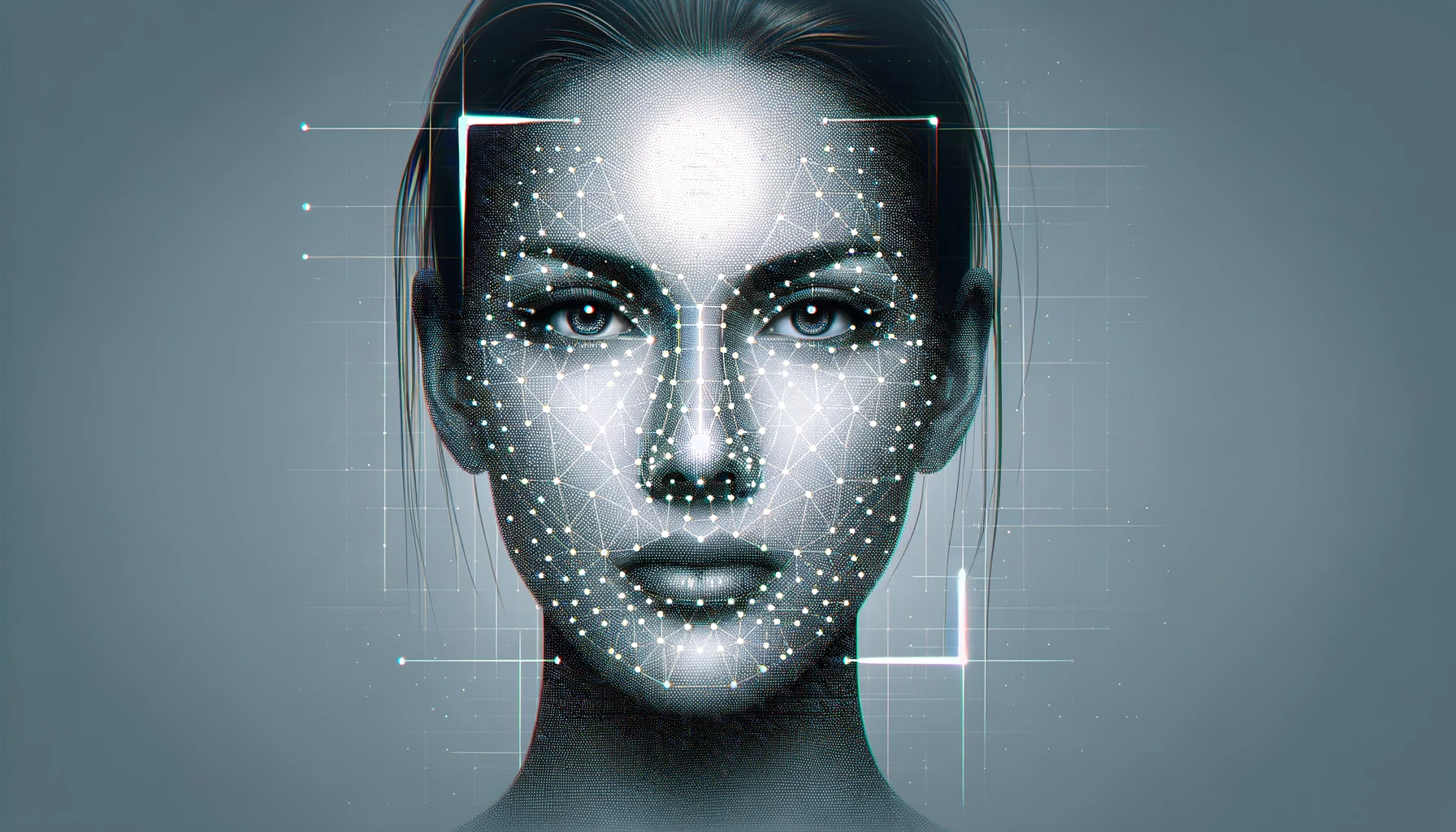
Mashable offers a hands-on guide to help users detect AI-generated videos by observing subtle technical cues. Key warning signs include mismatched lip movements and speech, where voices are dubbed over real footage and audio isn’t perfectly aligned with mouth motions.
Users are also advised to look for visual anomalies such as unnatural blurs, distorted shadows or odd lighting effects that seem inconsistent with natural environments. Deepfake videos can show slight flickers around faces or uneven reflections that betray their artificial origin.
Blinking, or the lack thereof, can also be revealing. AI faces often fail to replicate natural blinking patterns, and may display either no blinking or irregular frequency.
Viewers should also note unnatural head or body movements that do not align with speech or emotional expression, such as stiff postures or awkward gestures.
Experts stress these cues are increasingly well-engineered, making deepfakes harder to detect visually. They recommend combining observation with source verification, such as tracing the video back to reputable outlets or conducting reverse image searches for robust protection.
Ultimately, better detection tools and digital media literacy are essential to maintaining trust in online content.
Would you like to learn more about AI, tech and digital diplomacy? If so, ask our Diplo chatbot!
American technology company Nvidia has unveiled Spectrum-XGS Ethernet, a new networking technology designed to connect multiple data centres into unified giga-scale AI factories.
With AI demand skyrocketing, single facilities are hitting limits in power and capacity, creating the need for infrastructure that can operate across cities, nations and continents.
Spectrum-XGS extends Nvidia’s Spectrum-X Ethernet platform, introducing what the company calls a ‘scale-across’ approach, alongside scale-up and scale-out models.
Integrating advanced congestion control, latency management, and telemetry nearly doubles the performance of the Nvidia Collective Communications Library, allowing geographically distributed data centres to function as one large AI cluster.
Early adopters like CoreWeave are preparing to link their facilities using the new system. According to Nvidia, the technology offers 1.6 times greater bandwidth density than traditional Ethernet and features Spectrum-X switches and ConnectX-8 SuperNICs, optimised for hyperscale AI operations.
The company argues that the approach will define the next phase of AI infrastructure, enabling super-factories to manage millions of GPUs while improving efficiency and lowering operational costs.
Nvidia CEO Jensen Huang described the development as part of the AI industrial revolution, highlighting that Spectrum-XGS can unify data centres into global networks that act as vast, giga-scale AI super-factories.
Would you like to learn more aboutAI, tech and digital diplomacy? If so, ask our Diplo chatbot!