The US tech giant, Google, has alerted users that more than 40% of Android phones are vulnerable to new malware and spyware due to outdated software. Phones running older versions than Android 13 no longer receive security updates, leaving over a billion users worldwide at risk.
Data shows Android 16 is present on only 7.5% of devices, while versions 15, 14, and 13 still dominate the market.
Slow adoption of updates means many devices remain exposed, even when security patches are available. Google emphasised that outdated phones are particularly unsafe and cannot protect against emerging threats.
Users are advised to upgrade to Android 13 or newer, or purchase a mid-range device that receives regular updates, instead of keeping an old high-end phone without support. Unlike Apple, where most iPhones receive timely updates, older Android devices may never get the necessary security fixes.
The warning highlights the urgent need for users to act immediately to avoid potential data breaches and spyware attacks. Google’s message is clear: using unsupported Android devices is a growing global security concern.
Would you like to learn more about AI, tech and digital diplomacy? If so, ask our Diplo chatbot!
The European Commission is testing a European open source system for its internal communications as worries grow in Brussels over deep dependence on US software.
A spokesperson said the administration is preparing a solution built on the Matrix protocol instead of relying solely on Microsoft Teams.
Matrix is already used by several European institutions, including the French government, German healthcare bodies and armed forces across the continent.
The Commission aims to deploy it as a complement and backup to Teams rather than a full replacement. Officials noted that Signal currently fills that role but lacks the flexibility needed for an organisation of the Commission’s size.
The initiative forms part of a wider push for digital sovereignty within the EU. A Matrix-based tool could eventually link the Commission with other Union bodies that currently lack a unified secure communication platform.
Officials said there is already an operational connection with the European Parliament.
The trial reflects growing sensitivity about Europe’s strategic dependence on non-European digital services.
By developing home-grown communication infrastructure instead of leaning on a single foreign supplier, the Commission hopes to build a more resilient and sovereign technological foundation.
Would you like to learn more about AI, tech and digital diplomacy? If so, ask our Diplo chatbot!
Authorities have imposed a full and immediate ban on the import of electronic waste in Malaysia to end the long-standing practice of foreign dumping.
The Anti-Corruption Commission reclassified all e-waste as an absolute prohibition, removing the earlier discretion that allowed limited exemptions. Officials argue that the country should protect its environment rather than accept hazardous materials from other nations.
Authorities have spent years intercepting containers loaded with discarded electronics suspected to contain toxic metals that contaminate soil and water when mishandled.
Environmental groups have repeatedly urged stronger controls, noting that waste from computers, mobile phones and household appliances poses severe risks to human health. The government now insists that firm enforcement must accompany the new restrictions to prevent continued smuggling.
The decision comes amid a widening corruption inquiry into oversight of e-waste. The director-general of the environment department and his deputy have been detained on suspicion of abuse of power. At the same time, investigators have frozen bank accounts and seized cash linked to the case.
The Home Ministry has pledged increased surveillance and warned that Malaysia will safeguard its national security by stopping illegal e-waste at its borders.
Would you like to learn more about AI, tech and digital diplomacy? If so, ask our Diplo chatbot!
Medical AI promises faster analysis, more accurate pattern detection, and continuous availability, yet most systems still struggle to perform reliably in real clinical environments beyond laboratory testing.
Researchers led by Marinka Zitnik at Harvard Medical School identify contextual errors as a key reason why medical AI often fails when deployed in hospitals and clinics.
Models frequently generate technically sound responses that overlook crucial factors, such as medical speciality, geographic conditions, and patients’ socioeconomic circumstances, thereby limiting their real-world usefulness.
The study argues that training datasets, model architecture, and performance benchmarks must integrate contextual information to prevent misleading or impractical recommendations.
Improving transparency, trust, and human-AI collaboration could allow context-aware systems to support clinicians more effectively while reducing harm and inequality in care delivery.
Would you like to learn more about AI, tech, and digital diplomacy? If so, ask our Diplo chatbot!
Reports suggest Australia may expand biometric and identity data sharing with US authorities through border security and visa negotiations, granting enforcement agencies broader access to sensitive personal information.
Information reportedly covered includes passport numbers, dates of birth, facial images, fingerprints, and criminal or immigration records. Such access could allow US authorities to query Australian-held databases directly, bypassing traditional legal cooperation procedures.
No official treaty text or confirmation has been released by either government, and responses have remained general, avoiding details about the Enhanced Border Security Partnership negotiations. The absence of transparency has raised concerns among privacy advocates and legal commentators.
Australia and the United States already cooperate through established frameworks such as the Visa Waiver Program, Migration 5 agreements, and the CLOUD Act. Existing mechanisms involve structured, case-by-case data sharing with legal oversight rather than unrestricted database access.
Analysts note that confirmed arrangements differ significantly from claims of open biometric access, though expanding security vetting requirements continue to increase cross-border data flows. Debate is growing over privacy, sovereignty, and the long-term implications of deeper information sharing.
Would you like to learn more about AI, tech, and digital diplomacy? If so, ask our Diplo chatbot!
TikTok has largely recovered from a brief decline in daily active users following its US ownership change, when a group of American investors assumed control of domestic operations. Usage fell temporarily as uncertainty spread among users. Competing video apps saw short-term gains during the disruption.
Data from Similarweb shows TikTok’s US daily active users dropped to between 86 and 88 million after the transition, compared with a typical average of around 92 million. Activity has since rebounded to more than 90 million. Many users who experimented with alternatives have returned.
Platforms rivalling TikTok, including UpScrolled and Skylight Social, experienced rapid but limited growth. UpScrolled peaked at 138,500 daily users before falling back to roughly 68,000. Skylight Social reached 81,200 daily users, then declined to around 56,300.
User concerns were driven less by ownership itself and more by fears around platform changes. An updated privacy policy allowing precise GPS tracking triggered backlash, alongside confusion over language referencing sensitive personal data. Some interpreted the changes as increased surveillance.
A multi-day data centre outage disrupted search, likes, and in-app messaging, resulting in user frustration. Some users attributed the glitches to possible censorship or platform instability. Once services were restored, activity stabilised, and concerns eased.
Would you like to learn more about AI, tech, and digital diplomacy? If so, ask our Diplo chatbot!
Zoom is repositioning hybrid offices as intelligent work environments through Zoom Spaces, its AI-first workplace platform for collaboration and space management that gives IT teams centralised oversight while providing employees with consistent tools for meetings, scheduling, and in-office coordination.
New agentic AI features extend Zoom Spaces beyond room booking into proactive workplace assistance. Workspace Reservation now recommends optimal meeting spaces during overlaps, while upcoming voice commands for Zoom Rooms will enable hands-free meeting control and task capture.
Zoom says intelligent offices reduce friction caused by inconsistent technology, double bookings, and disconnected tools. By unifying scheduling and collaboration experiences, the platform aims to streamline movement between remote and in-person work.
The company is also expanding its ecosystem, allowing organisations to run Zoom Meetings on Cisco Rooms and integrate professional production tools through partners such as Vizrt. The strategy focuses on flexibility while maintaining consistent user experiences.
Additional upgrades include premium media capabilities for high-frame-rate video and improved mobile Workspace Reservation features. Zoom says these enhancements position Zoom Spaces as a next-generation hybrid workplace platform built around adaptive AI collaboration.
Would you like to learn more about AI, tech, and digital diplomacy? If so, ask our Diplo chatbot!
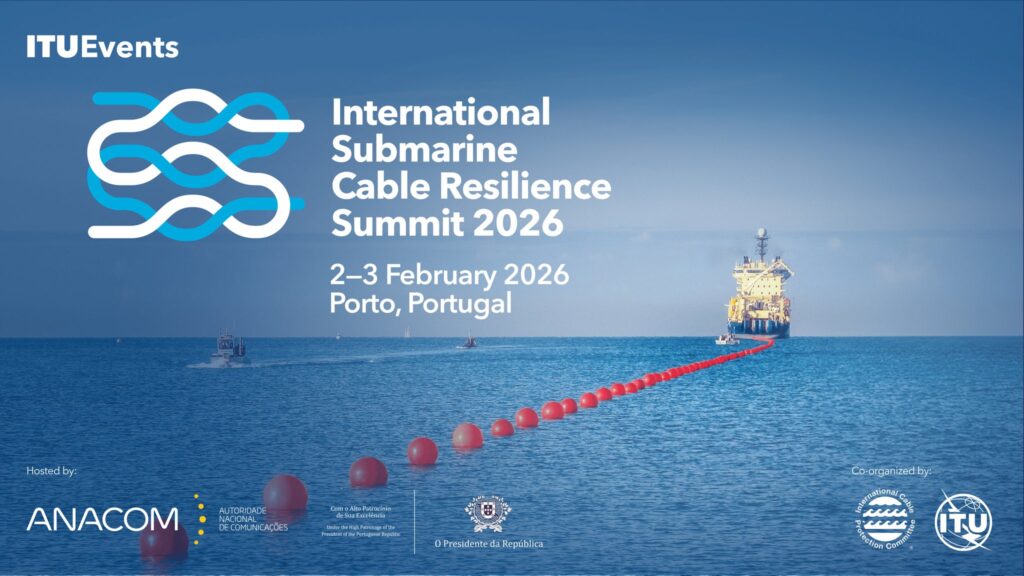
A panel at the International Submarine Cable Resilience Summit 2026 in Porto examined how economic viability and resilience intersect in efforts to extend submarine cable connectivity to underserved regions. Moderated by Aliu Yusuf Aboki, the discussion brought together development banks, regulators, and international organisations to explore how financing models, policy reforms, and partnerships can turn fragile cable projects into sustainable foundations for digital growth.
Aboki opened by stressing that resilience directly affects the economics of connectivity, influencing insurance costs, repair times, service continuity, and investor confidence. Referring to the 2024 West Africa cable outages, he warned that a single failure could trigger widespread economic disruption and derail projects already financially marginal, making resilience a prerequisite for attracting long-term investment.
German Cufré of the World Bank Group outlined how traditional financing approaches often fail in challenging markets and argued for flexible risk-sharing models that combine public and private stakeholders. He described a West African project where governments, private open-access operators, and blended finance instruments each took equal stakes, supported by in-kind public assets such as landing stations and fibre networks. Cufré also emphasised the World Bank’s insistence on wholesale open access, ensuring that publicly supported cables remain non-discriminatory, even within private consortia.
Cufré cautioned that blended finance is becoming scarcer just as demand for connectivity is surging due to AI-driven data growth. In response, he said the World Bank is exploring new tools such as a Digital Access Fund to absorb first losses and a model that allows mature cable assets to be sold to institutional investors, freeing capital for new deployments.
Syed Mohammad Shaharyar Jawaid from the Islamic Development Bank announced a dedicated $250 million commitment for digital infrastructure in member states in 2026–2027, noting that many cable developers are unaware that multilateral lenders are actively seeking such projects and that digital infrastructure must be planned alongside reliable energy systems.
Lauren Bieniek of the ITU added a global perspective, citing a $1.6 trillion investment gap in digital infrastructure identified through the Digital Infrastructure Investment Catalyzer initiative. She explained that the partnership among ITU, UNCTAD, and multilateral development banks aims to move beyond diagnostics to accelerate real financing, particularly in regions where market forces alone cannot deliver resilient connectivity.
On the policy front, Rudra Narayan Palai from India’s Department of Telecommunications described reforms introduced following the adoption of the International Cable Protection Committee’s recommendations. These include faster permitting, open ownership rules, and legal recognition of cable landing stations as critical infrastructure. Palai linked these reforms to India’s rapid expansion of data centre capacity and raised questions about whether repair capabilities should rely solely on market mechanisms or require state-backed sovereign capacity, citing prolonged disruptions from Red Sea incidents.
Regional challenges were highlighted by Rodney Taylor of the Caribbean Telecommunications Union, who warned that ageing cables and heavy reliance on routes terminating in Florida expose small island states to systemic risk. He argued that resilience must be addressed regionally rather than nationally and described efforts to build local expertise through a regional school of digital transformation and South–South cooperation with West Africa.
Closing the discussion, Professor Manuel Cabugueira of Portugal’s regulator, ANACOM, presented Portugal’s vision for ‘smart cables’ that combine connectivity with climate monitoring and disaster warning, urging participants to view submarine cables as integrated systems of technology, institutions, and people essential to long-term digital resilience.
Would you like to learn more about AI, tech and digital diplomacy? If so, ask our Diplo chatbot!
Preparing to restrict social media access for children under 15s, Greece plans to use the Kids Wallet app as its enforcement tool amid rising European concern over youth safety.
The Ministry of Digital Governance intends to rely on the Kids Wallet application, introduced last year, as a mechanism for enforcing the measure instead of developing a new control framework.
Government planning is advanced, yet the precise timing of the announcement by Prime Minister Kyriakos Mitsotakis has not been finalised.
In addition to the legislative initiative in Greece, the European debate on children’s online safety is intensifying.
Spain recently revealed plans to prohibit social media access for those under sixteen and to create legislation that would hold platform executives personally accountable for hate speech.
Such moves illustrate how governments are seeking to shape the digital environment for younger users rather than leaving regulation solely in private hands.
Would you like to learn more about AI, tech and digital diplomacy? If so, ask our Diplo chatbot!
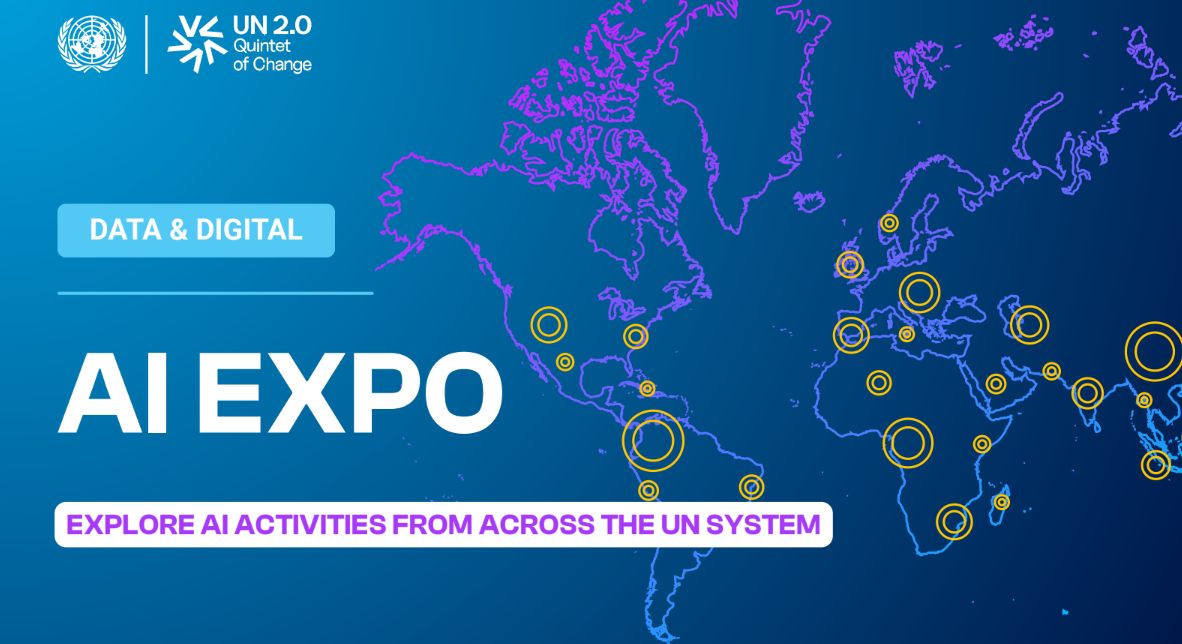
The UN 2.0 Data & Digital Community AI Expo examined how AI is currently embedded within the operational, analytical and institutional work of the United Nations system. The session brought together a range of AI applications already in use across UN entities, offering a consolidated view of how data-driven tools are supporting mandates related to development, humanitarian action, human rights and internal organisational capacity.
Designed as a fast‑paced showcase, the event presented eight specific AI projects from various UN organisations within a one-hour window. These featured programmes were selected by the UN AI Resource Hub, which is a significant collaborative initiative involving over 50 UN entities. The hub serves to strengthen coordination and coherence regarding AI technologies across the entire UN system.
The Expo highlighted how AI interacts with data availability, governance frameworks, and legal obligations. The session therefore functioned as an overview of current practice, revealing both the scope of AI use and the constraints shaping its deployment within a multilateral institution.
UN 2.0, data and digital capacity
UN 2.0 frames data and digital capability as core institutional functions necessary for addressing complex global challenges. Increasing volumes of information, rapidly evolving risks and interconnected crises require tools that support analysis, coordination and timely decision-making.
Within this framework, AI is treated as one component of a broader digital ecosystem. Its effectiveness depends on data quality, governance structures, organisational readiness and ethical oversight. The AI Expo reflected this approach by consistently situating the use of AI within existing mandates and institutional responsibilities, rather than presenting technology as a standalone solution.
UNICEF: Guidance on AI and children
UNICEF addressed how AI systems affect children across education, health, protection, and social services. The guidance focuses on governance frameworks that protect children’s rights in digital environments where automated systems increasingly shape access and outcomes.
Key risks highlighted include profiling, algorithmic bias, data misuse, and exclusion from digital benefits. Safeguards such as transparency, accountability, accessibility, and human oversight are emphasised as essential conditions for any AI system involving children.
The guidance, now in its third edition from December 2025, draws on the Convention on the Rights of the Child and sets out 10 requirements for child-centred AI, including safety, data privacy, non-discrimination, transparency, inclusion, and support for children’s well-being and development.
By anchoring AI governance within established child rights frameworks, the guidance positions technological development as subject to existing international obligations rather than discretionary policy choices. It highlights both the risks of AI, such as harmful content, CSAM, and algorithmic bias, and the opportunities, including enhanced learning, accessibility for children with disabilities, and improved child well-being.
UN-Habitat: BEAM AI (Building & Establishment Automated Mapper)
UN-Habitat presented BEAM, a machine-learning system designed to analyse satellite and aerial imagery to identify buildings and settlement patterns. Rapid urbanisation and the growth of informal settlements often outpace traditional data collection methods, leaving governments without accurate information for planning and service delivery.
AI-supported mapping addresses these gaps by generating up-to-date spatial data at scale. Outputs support decisions related to housing, water, sanitation, infrastructure investment, and risk reduction. It identifies and geo-references rooftops, generating shapefiles for urban planning processes.
Applied in South Africa and Central America, the system has mapped millions of previously unrecorded buildings, providing comprehensive spatial data where none existed before and supporting evidence-based decision-making in rapidly evolving urban areas.
UNFPA: AI platform for adolescents and youth
UNFPA focused on AI-supported platforms designed to improve access to information for adolescents and youth, particularly in areas related to sexual and reproductive health and mental well-being. Many young people face barriers linked to stigma, lack of confidentiality and uneven access to services.
UNFPA India’s JustAsk! AI chatbot provide guidance that is age-appropriate, culturally sensitive, and aligned with ethical and rights-based standards. The system helps users navigate health information, counter misinformation, and connect with relevant services when needed, including mental health support and sexual health facilities.
The design of these platforms emphasises privacy, safety, and responsible AI use, ensuring that interactions remain trustworthy and secure for young people. By leveraging AI, UNFPA supports youth-facing services, reaching populations that may otherwise have limited access to accurate and confidential information, particularly in regions where traditional in-person services are scarce or difficult to access.
IOM: Donor intelligence
IOM showcased an emerging AI project designed to strengthen donor intelligence and improve funding strategies. Following significant funding cuts and increasing competition for resources, the organisation explored new ways to diversify funding, identify opportunities and better align proposals after years of consistent rejections.
To ensure the solution addressed real operational needs, the team organised discovery workshops to identify pain points and opportunities for technological support. Using a rapid‑iteration approach known as ‘vibe coding’, developers built and tested prototypes quickly, incorporating continuous user feedback and daily improvements.
A multi-agent AI system integrates internal and external data to generate comprehensive, up-to-date donor profiles. Specialised agents research, synthesise, and refine information, enabling the organisation to monitor donor priorities and shifts in real-time.
Better alignment of project designs with donor interests has successfully reversed the trend of frequent rejections. Securing new funding has allowed the organisation to resume previously suspended activities and restore essential support to migrant and displaced communities.
UNDP: AI Sprint
UNDP launched the AI Sprint as a strategic initiative to accelerate the adoption of AI across the organisation and to build internal capacity for the responsible and effective use of AI. The AI Sprint is designed to equip UNDP staff with the tools, knowledge and governance frameworks needed to harness AI in support of sustainable development and organisational transformation.
The AI Sprint is structured around multiple components, including building foundational AI awareness and skills, establishing ethical principles and frameworks for AI use, and supporting the deployment of high-impact AI initiatives that address key development challenges. It also contributes to country-level enablement by helping partner countries develop AI strategies, strengthen public sector AI capacity and scale AI-related programmes.
The initiative reflects UNDP’s effort to position the organisation as a leader in responsible AI for development, with the dedicated AI Working Group established to oversee responsible use, legal compliance, risk management and transparency in AI adoption.
The UNDP AI Sprint Initiative forms part of broader efforts to build AI capability and accelerate digital transformation across regions, offering training, strategy support and practical tools in countries worldwide.
Described as a dedicated data service, HRDx aims to consolidate data that is currently fragmented, siloed, unverified and often collected manually into a single, more reliable resource. This will allow for earlier detection and monitoring of patterns, thereby supporting human rights initiatives in the digital era.
Given that human rights are currently at a crossroads and increasingly at risk, with only 15% of the Sustainable Development Goals (SDGs) on track for 2030, the design prioritises data protection, security and accountability. This approach reflects the sensitive nature of such information, particularly as technology can also accelerate inequality, disinformation and digital surveillance.
HRDx forms part of a broader OHCHR strategy to utilise technology and data to identify trends rapidly and facilitate coordinated action. The initiative seeks to establish human rights data as a global public good, ensuring that ethical data governance and the protection of personal data remain fundamental requirements for its operation.
UN Global Pulse: DISHA (Data Insights for Social & Humanitarian Action)
UN Global Pulse has established a collaborative coalition known as DISHA, or Data Insights for Social and Humanitarian Action, to bridge the gap between experimental technology and its practical application.
This partnership focuses on refining and deploying AI-enabled analytics to support critical humanitarian decision-making, ensuring that the most effective tools transition from mere pilots to routine operational use. By fostering cross-sector partnerships and securing authorised access to dynamic data, the project aims to equip humanitarian organisations with the high-level insights necessary to respond to crises with greater speed and precision.
The practical utility of this effort is demonstrated through several key analytical applications designed to address immediate needs on the ground. One such tool significantly accelerates disaster damage assessment, reducing the time required for analysis from weeks or days to just a few hours. In the Philippines, the initiative uses an evergreen data partnership with Globe Telecom to monitor population mobility and dynamically track displacement trends following a disaster.
Furthermore, a shelter-mapping pilot project uses satellite imagery to automatically identify refugee shelters at scale, providing a clearer picture of humanitarian requirements in real time.
A central focus of the DISHA initiative is to overcome the persistent barriers that prevent the humanitarian sector from adopting these advanced solutions. By addressing these governance considerations and focusing on the productisation of AI approaches, the initiative ensures that analytical outputs are not only technically sound but also directly aligned with the live operational requirements of responders during a crisis.
WIPO: Breaking language barriers with AI
The World Intellectual Property Organization (WIPO) has implemented an AI system to automate the transcription and translation of international meetings. Developed by the Advanced Technology Applications Center (ATAC), the WIPO Speech-to-Text tool produces automated transcripts in minutes. These custom models are specifically trained on UN terminology and are designed to function despite background noise or non-native language accents.
The system captures spoken language directly from interpretation channels and publishes the results to the WIPO webcast platform, providing searchable access with timestamps for every word. When used alongside the WIPO Translate engine, the tool can generate machine translations in multiple additional languages.
Since its adoption for most public WIPO meetings in 2022, the initiative has delivered savings of several million Swiss francs. The infrastructure supports highly confidential content and allows for installation within an organisation’s secure framework. WIPO is currently sharing this technology with other organisations and developing a software-as-a-service (SaaS) API to expand its availability.
Across the UN system, initiatives demonstrate a shift toward a more capable, data‑driven, and ethically grounded approach to global operations, highlighting the use of technological tools to strengthen human rights, accountability and multilateral cooperation.
When applied responsibly, AI enhances human expertise, enabling more precise monitoring, planning and decision-making across development, humanitarian action, human rights and internal organisational functions. Ethical safeguards, governance frameworks and oversight mechanisms are embedded from the outset to ensure that innovations operate within established norms.
Overall, these developments reflect a broader institutional transformation, with the UN increasingly equipped to manage complexity, respond to crises with precision, and uphold its mandates with agility in the digital era.
Would you like to learn more about AI, tech, and digital diplomacy? If so, ask our Diplo chatbot!