
US agencies linked to expanded biometric data sharing with Australia
Data sharing negotiations raise questions over sovereignty and foreign access to Australian biometric records.
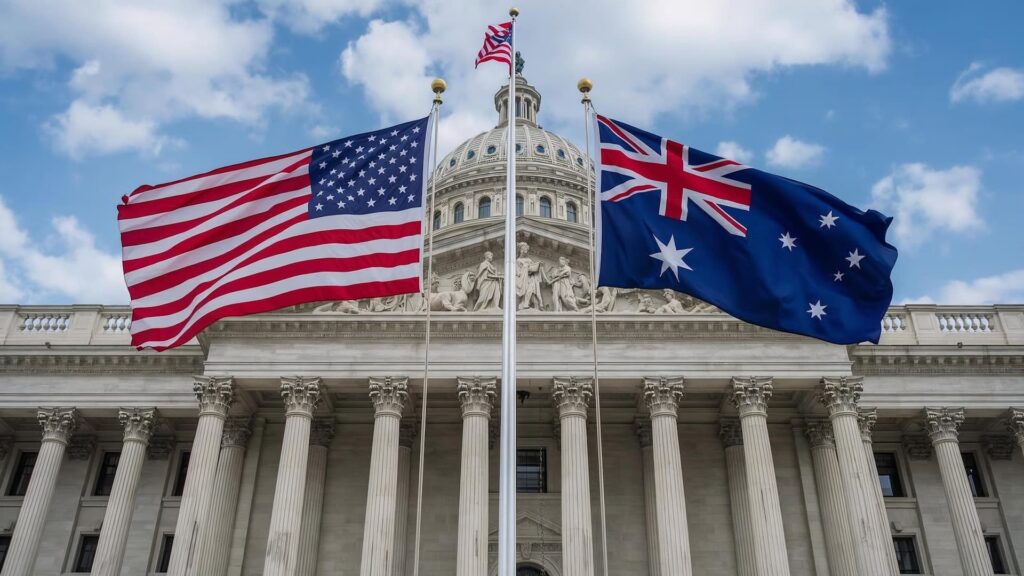
Reports suggest Australia may expand biometric and identity data sharing with US authorities through border security and visa negotiations, granting enforcement agencies broader access to sensitive personal information.
Information reportedly covered includes passport numbers, dates of birth, facial images, fingerprints, and criminal or immigration records. Such access could allow US authorities to query Australian-held databases directly, bypassing traditional legal cooperation procedures.
No official treaty text or confirmation has been released by either government, and responses have remained general, avoiding details about the Enhanced Border Security Partnership negotiations. The absence of transparency has raised concerns among privacy advocates and legal commentators.
Australia and the United States already cooperate through established frameworks such as the Visa Waiver Program, Migration 5 agreements, and the CLOUD Act. Existing mechanisms involve structured, case-by-case data sharing with legal oversight rather than unrestricted database access.
Analysts note that confirmed arrangements differ significantly from claims of open biometric access, though expanding security vetting requirements continue to increase cross-border data flows. Debate is growing over privacy, sovereignty, and the long-term implications of deeper information sharing.
Would you like to learn more about AI, tech, and digital diplomacy? If so, ask our Diplo chatbot!