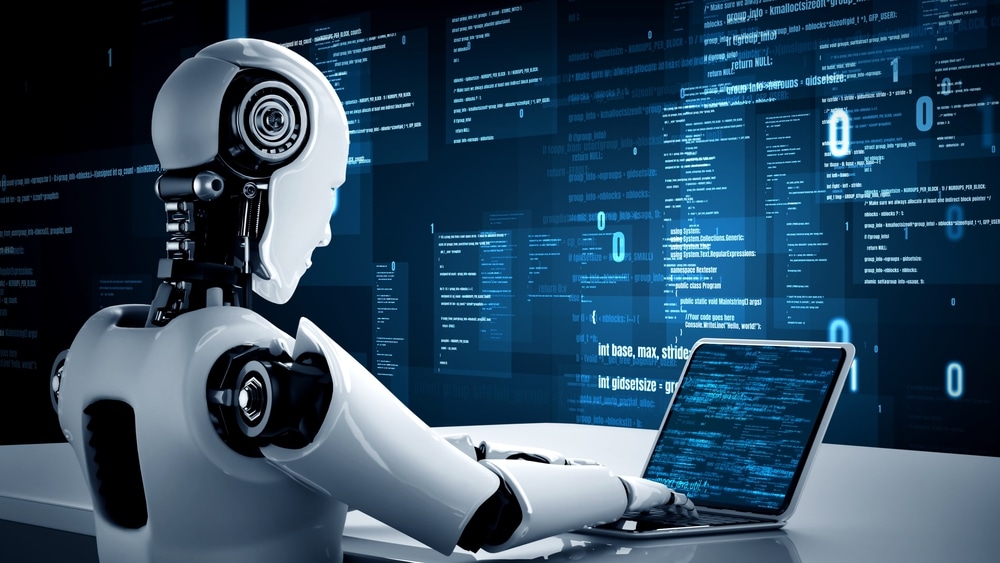
China has set its most ambitious AI adoption targets yet, aiming to embed the technology across industries, governance, and daily life within the next decade.
According to a new State Council directive, AI use should reach 70% of the population by 2027 and 90% by 2030, with a complete shift to what it calls an ‘intelligent society’ by 2035.
The plan would mean nearly one billion Chinese citizens regularly using AI-powered services or devices within two years, a timeline compared to the rapid rise of smartphones.
Although officials acknowledge risks such as opaque models, hallucinations and algorithmic discrimination, the policy calls for frameworks to govern ‘natural persons, digital persons, and intelligent robots’.
Would you like to learn more about AI, tech and digital diplomacy? If so, ask our Diplo chatbot!
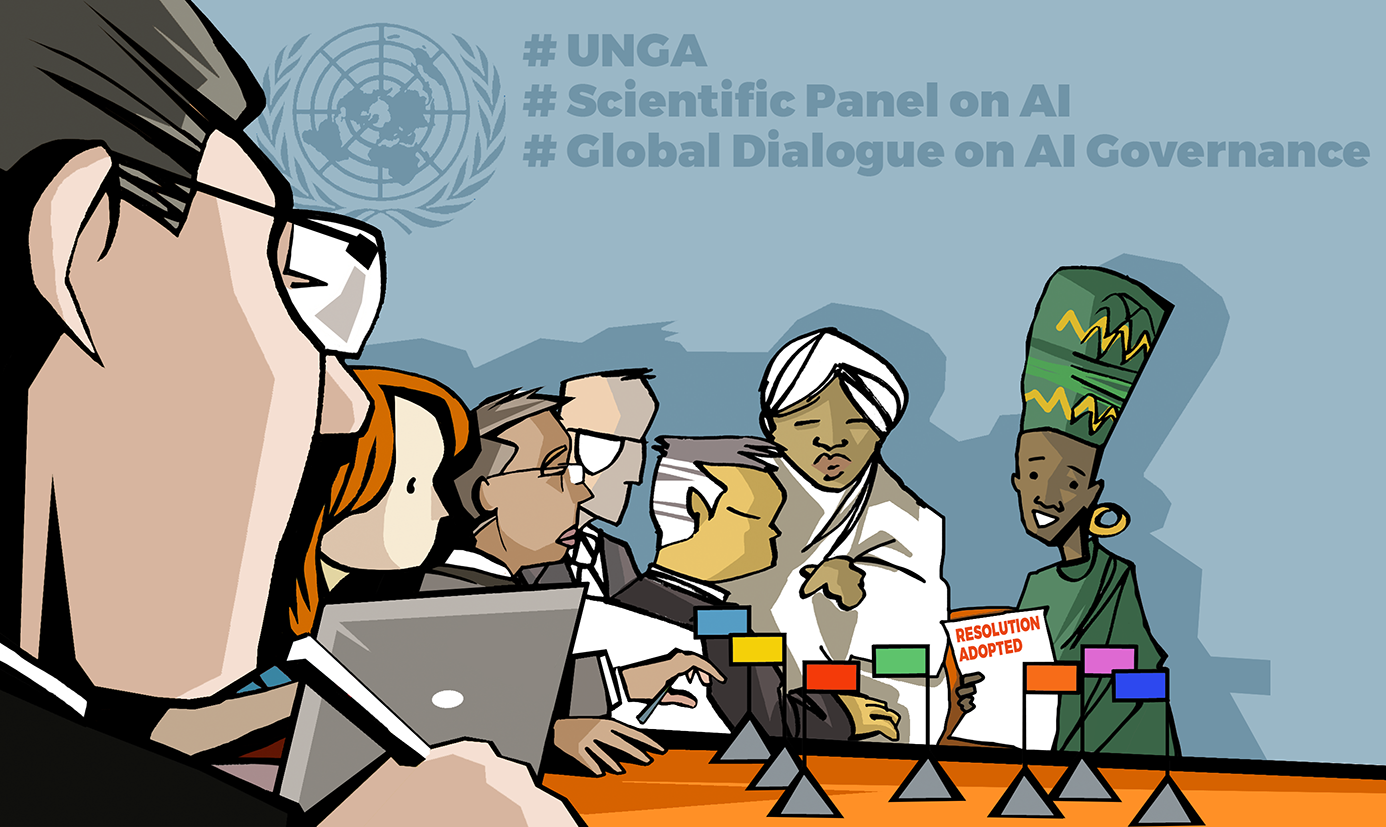
On 26 August 2025, the UN General Assembly (UNGA) adopted a resolution establishing two new mechanisms for global AI governance: an Independent International Scientific Panel on AI and a Global Dialogue on AI Governance. The 40-member Panel will provide annual, evidence-based assessments of AI’s opportunities, risks, and impacts, while the Global Dialogue will serve as a platform for governments and relevant stakeholders to discuss international cooperation, exchange best practices, and foster inclusive discussions on AI governance.
The Dialogue will be launched during UNGA’s 80th session in September 2025 and will convene annually, alternating between Geneva and New York, alongside existing UN events. These mechanisms also aim to contribute to capacity development efforts on AI. The resolution also invites states and stakeholders to contribute resources, particularly to ensure participation from developing countries, and foresees that a review of both initiatives may happen at UNGA’s 82nd session.
Alphabet’s Google has announced a $9 billion investment in Virginia by 2026, reinforcing the state’s status as a key US data infrastructure hub, with plans for a new Chesterfield County facility and expansions in Loudoun and Prince William counties to boost AI and cloud computing capabilities. The investment, supported by Dominion Energy and expected to take up to seven years to operationalise fully, aligns with a broader tech trend where giants like Microsoft, Amazon, Meta, and Alphabet are pouring hundreds of billions into AI projects, though it raises energy demand concerns that Google aims to address through efficiency measures and community funding.
INTERPOL’s ‘Serengeti 2.0’ operation across Africa led to over 1,200 arrests between June and August 2025, targeting ransomware, online fraud, and business email compromise schemes, and recovering nearly USD 100 million stolen from tens of thousands of victims. Authorities shut down illicit cryptocurrency mining sites in Angola, dismantled a massive crypto fraud scheme in Zambia, and uncovered a human trafficking network with forged passports in Lusaka.
OpenAI announced new safety measures for ChatGPT after a lawsuit accused the chatbot of contributing to a teenager’s suicide. The company plans to enhance detection of mental distress, improve safeguards in suicide-related conversations, add parental controls, and provide links to emergency services while addressing content filtering flaws. Regulators and mental health experts are intensifying scrutiny, warning that growing reliance on chatbots instead of professional care could endanger vulnerable users, especially children.
For the main updates, reflections and events, consult the RADAR, the READING CORNER and the UPCOMING EVENTS section below.
Join us as we connect the dots, from daily updates to main weekly developments, to bring you a clear, engaging monthly snapshot of worldwide digital trends.
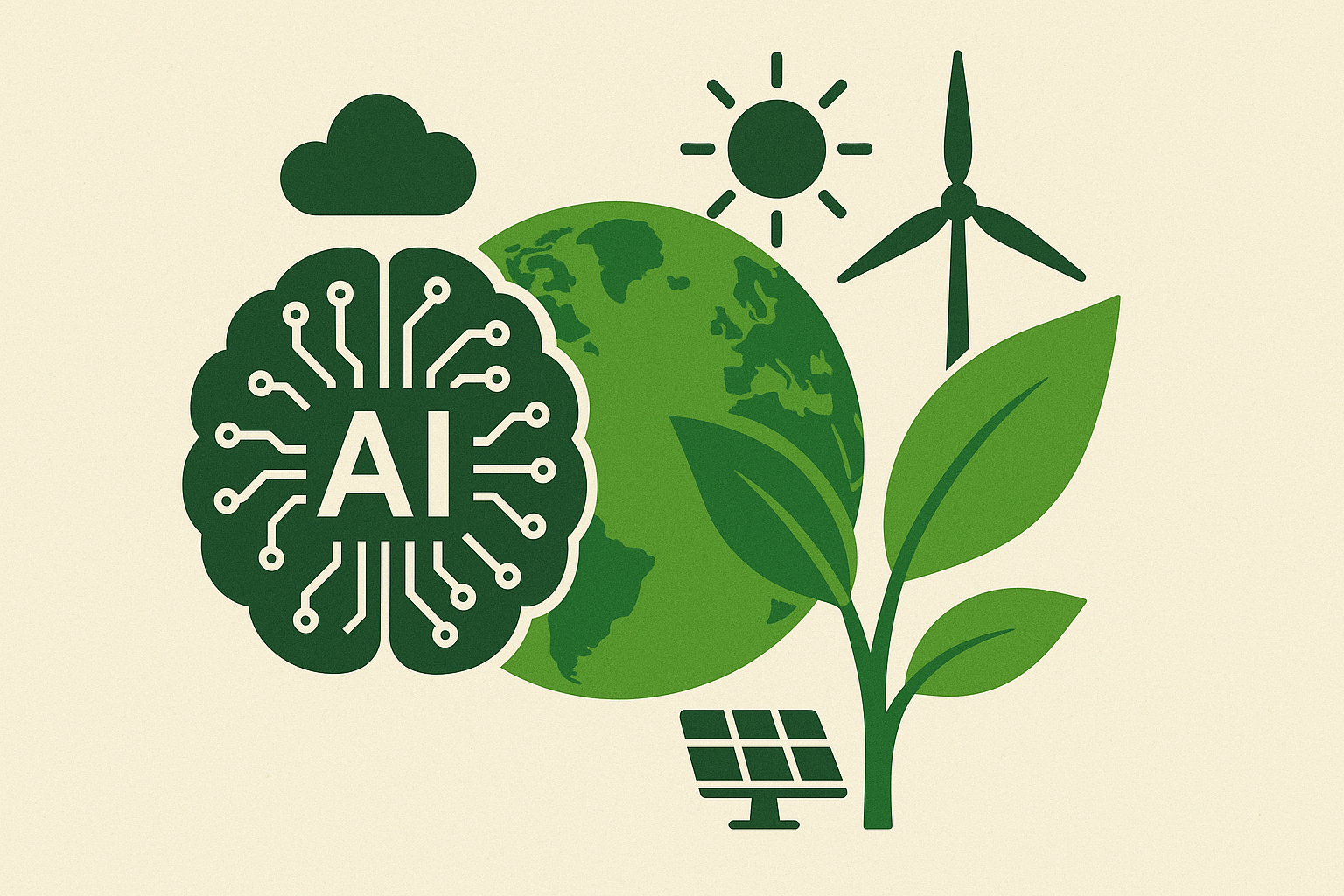
AI’s rapid rise is reshaping how nations think about energy, opening the door to new partnerships that could redefine the path toward a cleaner and smarter future.
A new wave of Android malware deployed through fake utilities on the Play Store infected millions, using overlay attacks to harvest financial credentials and deploy adware.
By experimenting with AI edits without approval, YouTube has angered creators and renewed debates about trust, regulation and control in the age of AI.
Wheels, wagons, and metal turned herders into mobile nomads. With speed on their side, raiding – and empire-building – became possible. Aldo Matteucci writes.
AI is emerging as both a driver of environmental strain and a potential force for sustainable solutions, raising urgent questions about whether innovation and ecological responsibility can truly advance together.
ISOC Brazil webinar on the responsibility of intermediaries and changes in the US policy landscape. The webinar will promote an in-depth discussion about the
Declaring Independence in Cyberspace: Book Discussion Diplo’s Director of Digital Trade and Economic Security, Marilia Maciel, will provide comments and
Indonesia will deploy an AI-driven maritime surveillance network to combat piracy and other illegal activities across its vast waters.
The Indonesian Sea and Coast Guard Unit has signed a 10-year agreement with UK-based SRT Marine Systems for its SRT-MDA platform. The system, to be known locally as the National Maritime Security System, will integrate terrestrial, mobile and satellite surveillance with AI-powered analytics.
Fifty command posts will be digitised under the plan, enabling authorities to detect, track and predict activities from piracy to environmental violations. The deal, valued at €157.9m and backed by UK Export Finance, has been strongly supported by both governments.
Piracy remains a pressing issue in Indonesian waters, particularly in the Singapore Strait, where opportunistic thefts against slow-moving ships quadrupled in the first half of 2025 compared with last year. Analysts warn that weak deterrence and economic hardship are fuelling the rise in incidents.
Would you like to learn more about AI, tech and digital diplomacy? If so, ask our Diplo chatbot!
According to the IT regulator, Nigeria is preparing a national framework to guide responsible use of AI in governance, healthcare, education and agriculture.
NITDA Director General Kashifu Abdullahi told a policy lecture in Abuja that AI could accelerate economic transformation if properly harnessed. He emphasised that Nigeria’s youthful population should move from being consumers to becoming innovators and creators.
He urged stakeholders to view automation as an opportunity to generate jobs, highlighting that over 60% of Nigerians are under 25. Abdullahi described this demographic as a key asset in positioning the nation for global competitiveness.
Meanwhile, a joint report from the Digital Education Council and the Global Finance & Technology Network found that AI boosts productivity, though adoption remains uneven. It warned of a growing divide between organisations that use AI effectively and those falling behind.
Would you like to learn more about AI, tech, and digital diplomacy? If so, ask our Diplo chatbot!
AI company Anthropic has reported that its chatbot Claude was misused in cyber incidents, including attempts to carry out hacking operations and employment-related fraud.
The firm said its technology had been used to help write malicious code and assist threat actors in planning attacks. However, it also stated that it could disrupt the activity and notify authorities. Anthropic said it is continuing to improve its monitoring and detection systems.
In one case, the company reported that AI-supported attacks targeted at least 17 organisations, including government entities. The attackers allegedly relied on the tool to support decision-making, from choosing which data to target to drafting ransom demands.
Experts note that the rise of so-called agentic AI, which can operate with greater autonomy, has increased concerns about potential misuse.
Anthropic also identified attempts to use AI models to support fraudulent applications for remote jobs at major companies. The AI was reportedly used to create convincing profiles, generate applications, and assist in work-related tasks once jobs had been secured.
Analysts suggest that AI can strengthen such schemes, but most cyber incidents still involve long-established techniques like phishing and exploiting software vulnerabilities.
Cybersecurity specialists emphasise the importance of proactive defence as AI tools evolve. They caution that organisations should treat AI platforms as sensitive systems requiring strong safeguards to prevent their exploitation.
Would you like to learn more aboutAI, tech and digital diplomacy? If so, ask our Diplo chatbot!
Law enforcement agencies increasingly leverage AI across critical functions, from predictive policing, surveillance and facial recognition to automated report writing and forensic analysis, to expand their capacity and improve case outcomes.
In predictive policing, AI models analyse historical crime patterns, demographics and environmental factors to forecast crime hotspots. However, this enables pre-emptive deployment of officers and more efficient resource allocation.
Facial recognition technology matches images from CCTV, body cameras or telescopic data against criminal databases. Meanwhile, NLP supports faster incident reporting, body-cam transcriptions and keyword scanning of digital evidence.
Despite clear benefits, risks persist. Algorithmic bias may unfairly target specific groups. Privacy concerns grow where systems flag individuals without oversight.
Automated decisions also raise questions on accountability, the integrity of evidence, and the preservation of human judgement in justice.
Would you like to learn more about AI, tech and digital diplomacy? If so, ask our Diplo chatbot!
Now, Google has enhanced that feature with Gemini integration. When users accept a table suggestion, Gemini applies proper formatting and creates sensible names, such as ‘Project_Status’ or ‘Office_Expenses’, making formula references more precise and meaningful.
For example, users can write =SUM(Office_Expenses[Amount]) instead of cryptic cell ranges like =SUM(E2:E15).
These newly named tables offer dynamic formula ranges that automatically expand or shrink as rows are added or removed, helping spreadsheets stay accurate without manual edits. The feature can be turned off under Tools > Suggestion controls if users prefer their original workflow.
Rollout is underway for Google Workspace Business Standard/Plus and Enterprise plans and Google AI Pro, Ultra, and specific education add-ons.
Rapid Release domains are receiving it now. Scheduled Release domains will see it from 12 September. Admins must enable innovative features and personalisation for users to access them.
Would you like to learn more about AI, tech and digital diplomacy? If so, ask our Diplo chatbot!
IBM and AMD have launched a strategic collaboration to pioneer quantum-centric supercomputing architectures, blending IBM’s quantum computing capabilities with AMD’s strengths in high-performance computing (HPC), AI acceleration, CPUs, GPUs and FPGAs.
Their vision involves creating hybrid systems where quantum components handle atomic-scale or highly complex tasks, such as molecular simulation or optimization, while classical and infrastructure powered by AI processes large datasets efficiently.
The approach aims to unlock new levels of computational power. A demonstration of these hybrid workflows is scheduled for later this year.
Additionally, AMD’s technology may facilitate real-time error correction, a vital step toward achieving IBM’s goal of fault-tolerant quantum computing by the end of this decade.
Would you like to learn more about AI, tech and digital diplomacy? If so, ask our Diplo chatbot!
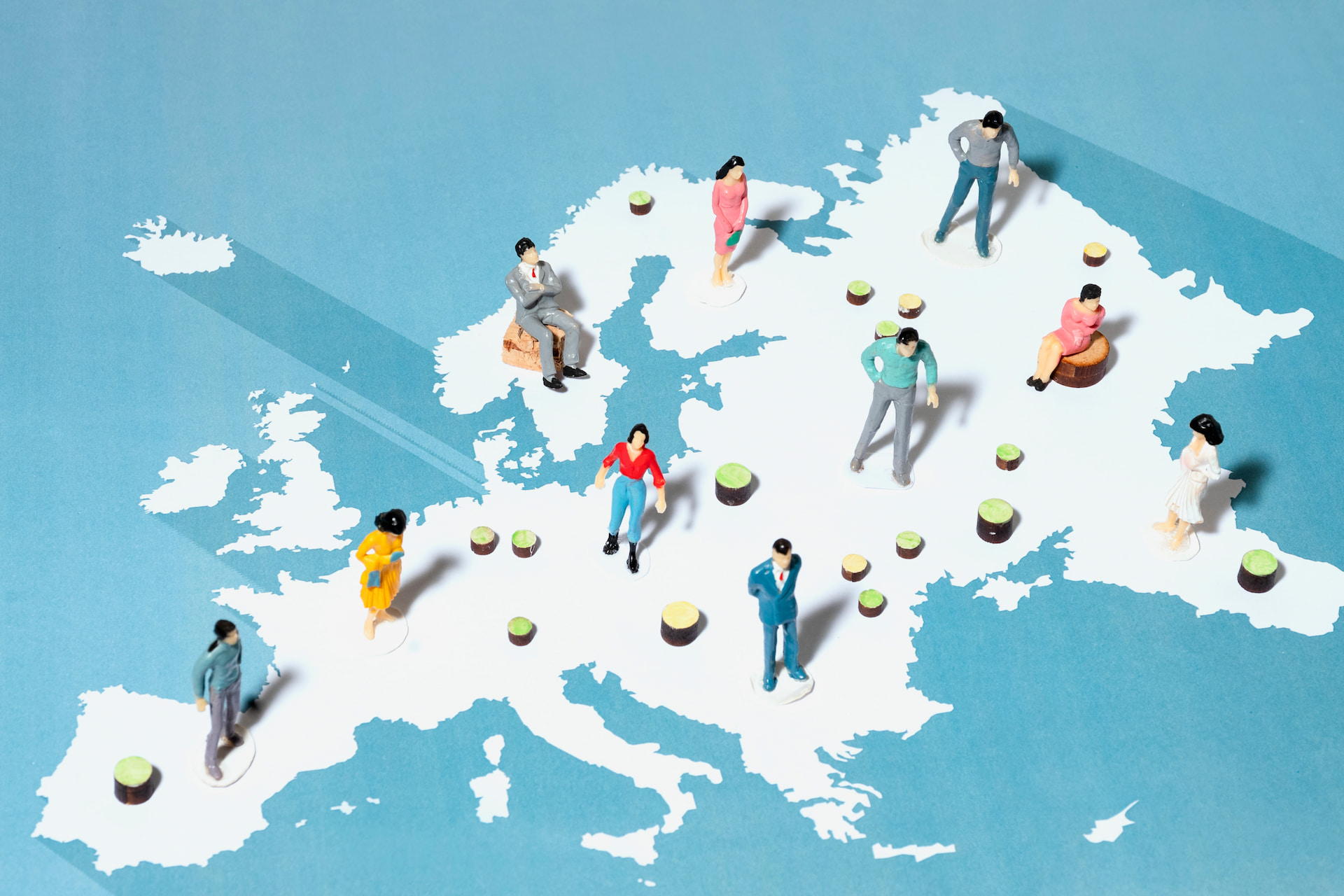
Funding season is restarting in Europe, with investors expecting to add several new unicorns in the coming months. Despite fewer mega-rounds than in 2021, a dozen startups passed the $1 billion mark in the first half of 2025.
AI, biotech, defence technology, and renewable energy are among the sectors attracting major backing. Recent unicorns include Lovable, an AI coding firm from Sweden, UK-based Fuse Energy, and Isar Aerospace from Germany.
London-based Isomorphic Labs, spun out of DeepMind, raised $600 million to enter unicorn territory. In biotech, Verdiva Bio hit unicorn status after a $410 million Series A, while Neko Health reached a $1.8 billion valuation.
AI and automation continue to drive investor appetite. Dublin’s Tines secured a $125 million Series C at a $1.125 billion valuation, and German AI customer service startup Parloa raised $120 million at a $1 billion valuation.
Dual-use drone companies also stood out. Portugal-based Tekever confirmed its unicorn status with plans for a £400 million UK expansion, while Quantum Systems raised €160 million to scale its AI-driven drones globally.
Film-streaming platform Mubi and encryption startup Zama also joined the unicorn club, showing the breadth of sectors gaining traction. With Bristol, Manchester, Munich, and Stockholm among the hotspots, Europe’s tech ecosystem continues to diversify.
Would you like to learn more about AI, tech and digital diplomacy? If so, ask our Diplo chatbot!
The Slovak software company specialising in cybersecurity has discovered a GenAI-powered ransomware named PromptLock in its latest research report. The researchers describe it as the ‘first known AI-powered ransomware’. Although it has not been observed in an actual attack, it is considered a proof of concept (PoC) or a work in progress.
Researchers also found that this type of ransomware may have the ability to exfiltrate, encrypt, and possibly even destroy data.
They noted: ‘The PromptLock malware uses the gpt-oss-20b model from OpenAI locally via the Ollama API to generate malicious Lua scripts on the fly, which it then executes.’
The report highlights how AI tools have made it easier to create convincing phishing messages and deepfakes, lowering the barrier for less-skilled attackers. As ransomware becomes more widespread, often deployed by advanced persistent threat (APT) groups, AI is expected to increase both the scale and effectiveness of such attacks.
PromptLock demonstrates how AI can automate key ransomware stages, such as reconnaissance and data theft, faster than ever. The emergence of malware capable of adapting its tactics in real time signals a new and more dangerous frontier in cybercrime.
One involved a cybercriminal group using Claude to automate data theft and extortion, targeting 17 organisations. Another detailed how North Korean actors used Claude to create fake identities, pass interviews, and secure remote IT jobs to fund the regime. A third case involved a criminal using Claude to create sophisticated ransomware variants with strong encryption and advanced evasion techniques. Most attempts were detected and disrupted before being carried out.
Would you like to learn more about AI, tech and digital diplomacy? If so, ask our Diplo chatbot!