Faculty AI, a consultancy company with significant experience in AI, has been developing AI technologies for both civilian and military applications. Known for its close work with the UK government on AI safety, the NHS, and education, Faculty is also exploring the use of AI in military drones. The company has been involved in testing AI models for the UK’s AI Safety Institute (AISI), which was established to study the implications of AI safety.
While Faculty has worked extensively with AI in non-lethal areas, its work with military applications raises concerns due to the potential for autonomous systems in weapons, including drones. Though Faculty has not disclosed whether its AI work extends to lethal drones, it continues to face scrutiny over its dual roles in advising both the government on AI safety and working with defense clients.
The company has also generated some controversy because of its growing influence in both the public and private sectors. Some experts, including Green Party members, have raised concerns about potential conflicts of interest due to Faculty’s widespread government contracts and its private sector involvement in AI, such as its collaborations with OpenAI and defence firms. Faculty’s work on AI safety is seen as crucial, but critics argue that its broad portfolio could create a risk of bias in the advice it provides.
Despite these concerns, Faculty maintains that its work is guided by strict ethical policies, and it has emphasised its commitment to ensuring AI is used safely and responsibly, especially in defence applications. As AI continues to evolve, experts call for caution, with discussions about the need for human oversight in the development of autonomous weapons systems growing more urgent.
The UK‘s competition regulator, the Competition and Markets Authority (CMA), announced it may accept remedies proposed by Synopsys and Ansys to address concerns over their $35 billion merger. The deal, announced in January of last year, involves Synopsys acquiring Ansys, a company known for its software used in industries like aerospace and sports equipment manufacturing.
The CMA outlined the proposed remedies, which include the sale of Ansys’ power consumption analysis product for digital chips and Synopsys’ global optics and photonics software business. The regulator has until March 5 to decide whether to accept these remedies, though it can extend the deadline to 6 May.
Synopsys expressed satisfaction with the CMA’s progress and reiterated its commitment to working closely with the authority. The outcome of the regulator’s review could significantly impact the completion of the merger, which aims to enhance the companies’ capabilities in chip design software.
A prominent technology trade group has urged the Biden administration to reconsider a proposed rule that would restrict global access to US-made AI chips, warning that the measure could undermine America’s leadership in the AI sector. The Information Technology Industry Council (ITI), representing major companies like Amazon, Microsoft, and Meta, expressed concerns that the restrictions could unfairly limit US companies’ ability to compete globally while allowing foreign rivals to dominate the market.
The proposed rule, expected to be released as soon as Friday, is part of the Commerce Department’s broader strategy to regulate AI chip exports and prevent misuse, particularly by adversaries like China. The restrictions aim to curb the potential for AI to enhance China’s military capabilities. However, in a letter to Commerce Secretary Gina Raimondo, ITI CEO Jason Oxman criticised the administration’s urgency in finalising the rule, warning of ‘significant adverse consequences’ if implemented hastily. Oxman called for a more measured approach, such as issuing a proposed rule for public feedback rather than enacting an immediate policy.
Industry leaders have been vocal in their opposition, describing the draft rule as overly broad and damaging. The Semiconductor Industry Association raised similar concerns earlier this week, and Oracle’s Executive Vice President Ken Glueck slammed the measure as one of the most disruptive ever proposed for the US tech sector. Glueck argued the rule would impose sweeping regulations on the global commercial cloud industry, stifling innovation and growth.
While the administration has yet to comment on the matter, the growing pushback highlights the tension between safeguarding national security and maintaining US dominance in the rapidly evolving field of AI.
Amazon Web Services (AWS) has announced a $11 billion investment to build new data centres in Georgia, aiming to support the growing demand for cloud computing and AI technologies. The facilities, located in Butts and Douglas counties, are expected to create at least 550 high-skilled jobs and position Georgia as a leader in digital innovation.
The move highlights a broader trend among tech giants investing heavily in AI-driven advancements. Last week, Microsoft revealed an $80 billion plan for fiscal 2025 to expand data centres for AI training and cloud applications. These facilities are critical for supporting resource-intensive AI technologies like machine learning and generative models, which require vast computational power and specialised infrastructure.
The surge in AI infrastructure has also raised concerns about energy consumption. A report from the Electric Power Research Institute suggests data centres could account for up to 9% of US electricity usage by 2030. To address this, Amazon has secured energy supply agreements with utilities like Talen Energy in Pennsylvania and Entergy in Mississippi, ensuring reliable power for its expanding operations.
Amazon’s commitment underscores the growing importance of AI and cloud services, as companies race to meet the demands of a rapidly evolving technological landscape.
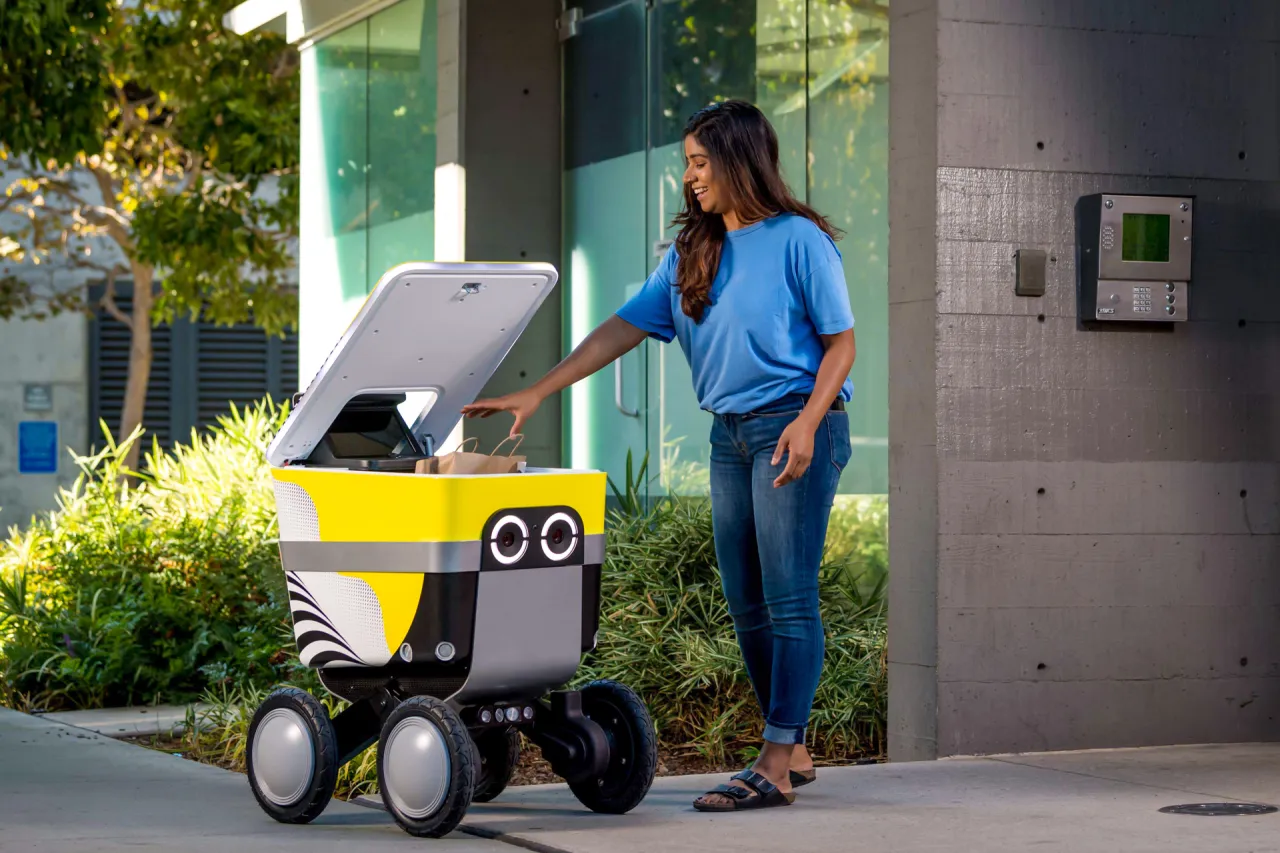
Serve Robotics, backed by Nvidia and Uber, has secured $80 million through a direct stock offering to institutional investors. The funding will support the expansion of its autonomous delivery robot fleet, with plans to scale from 100 robots in Los Angeles to 2,000 across multiple US cities by the end of 2025. CFO Brian Read stated that the investment is intended for long-term growth rather than short-term expenditure, positioning the company for sustained financial stability beyond 2026.
The fresh capital follows $86 million raised in December 2024, bringing Serve’s total funding to over $247 million in the past year. The company aims to use its reserves to self-finance equipment investments, reducing reliance on external financing and improving cash flow. Read highlighted that full ownership of the robots would provide greater financial flexibility and lower operational costs as the fleet expands.
Currently, Serve operates around 100 robots in Los Angeles, delivering for Uber Eats and 7-Eleven. A trial in Dallas, launched in partnership with Wing, is exploring hybrid drone and sidewalk robot deliveries. The company plans to deploy 250 additional robots in Los Angeles in early 2025, with the goal of achieving cash-flow positivity once the 2,000-robot fleet reaches full utilisation.
Microsoft will invest $3 billion to expand AI and cloud-computing infrastructure in India, CEO Satya Nadella announced during a conference in Bengaluru. The investment, the company’s largest expansion in the country, aims to strengthen its Azure cloud services and AI capabilities. Nadella also revealed plans to train 10 million people in AI by 2030, building on an earlier commitment to provide AI skilling opportunities for two million individuals by 2025, with a focus on smaller cities and rural areas.
India’s growing importance as a tech hub has attracted interest from major US technology firms, with recent visits from Nvidia’s Jensen Huang and Meta’s chief AI scientist Yann LeCun. Nadella met Prime Minister Narendra Modi to discuss technology, innovation, and Microsoft‘s ambitious plans for expansion in the country. India’s vast population and affordable internet access make it a key market for AI-driven growth.
Microsoft is making significant global investments in AI and cloud infrastructure, committing around $80 billion in fiscal 2025. More than half of that will be directed towards US data centers to support AI model training and cloud-based applications. With India positioned as a strategic market, Microsoft’s latest investment underscores the country’s growing role in the global AI ecosystem.
The Chinese technology powerhouse, Alibaba, has announced substantial price cuts of up to 85% for its large language models (LLMs), including the visual language model Qwen-VL. Designed to process and interpret both text and images, Qwen-VL is tailored for enterprise use, marking a departure from consumer-facing AI tools like ChatGPT. These discounts signal a competitive push to expand AI accessibility in the enterprise sector.
The move comes amid a broader race among Chinese tech giants to dominate the AI landscape. Companies like Tencent, Baidu, Huawei, and ByteDance have launched their own LLMs, aiming to capitalise on the growing demand for advanced AI solutions. Alibaba’s decision to focus on enterprise customers has already shown results, with its Qwen models adopted by over 90,000 businesses since May.
Analysts predict these price cuts could reshape global AI accessibility, enabling smaller firms and startups to leverage cutting-edge technology. Lower costs may allow traditional industries to modernise operations, while venture capital flows into supporting technologies are expected to further fuel innovation.
The global AI race is poised to accelerate into 2025, with Chinese companies playing a central role in advancing machine reasoning and practical applications. The intensifying competition could define the future of AI development, offering more use cases across diverse industries worldwide.
Taiwan Semiconductor Manufacturing Co (TSMC) has commenced mass production at its first factory in Kumamoto Prefecture, Japan. The facility manufactures 12 to 28-nanometer chips used in cars and image sensors, serving clients such as Sony Group and Denso Corp. Strengthening supply chains for critical goods is a priority for Japan, which views domestic chip production as vital for economic security amid geopolitical tensions.
TSMC plans a second factory in Kumamoto to produce advanced 6-nanometer chips, with construction set to begin by March 2025 and operations expected by late 2027. The Japanese government has pledged over 1 trillion yen in subsidies to support these initiatives, highlighting the strategic importance of reducing dependence on Taiwan’s chip supply.
Kumamoto Governor Takashi Kimura has also urged TSMC to consider a third plant in the prefecture, reflecting the region’s commitment to becoming a hub for semiconductor production. These developments underscore Japan’s determination to secure its technological future.
Prominent figures in technology are heavily investing in nuclear energy, viewing it as crucial for future innovation. OpenAI’s Sam Altman and Microsoft co-founder Bill Gates are spearheading initiatives in advanced nuclear technology, with Altman chairing Oklo, a company developing sustainable nuclear reactors.
Data centres, essential for AI and cloud technologies, have seen electricity demands surge by 50% since 2020, now accounting for 4% of US energy use. Projections indicate this figure could rise to 9% by 2030, emphasising the need for scalable, carbon-free energy solutions. Nuclear power offers a consistent energy supply, unlike solar or wind, making it an attractive choice.
Microsoft has committed to reviving the Three Mile Island reactor by 2028, aiming to meet the energy needs of its growing AI operations. Experts, however, caution that tech-driven nuclear investments may prioritise corporate demands over broader public benefits.
Oklo and similar ventures highlight the increasing convergence of technology and energy, as industry leaders strive to support AI advancements sustainably. The debate continues on whether these moves truly serve societal needs or primarily benefit the tech sector.
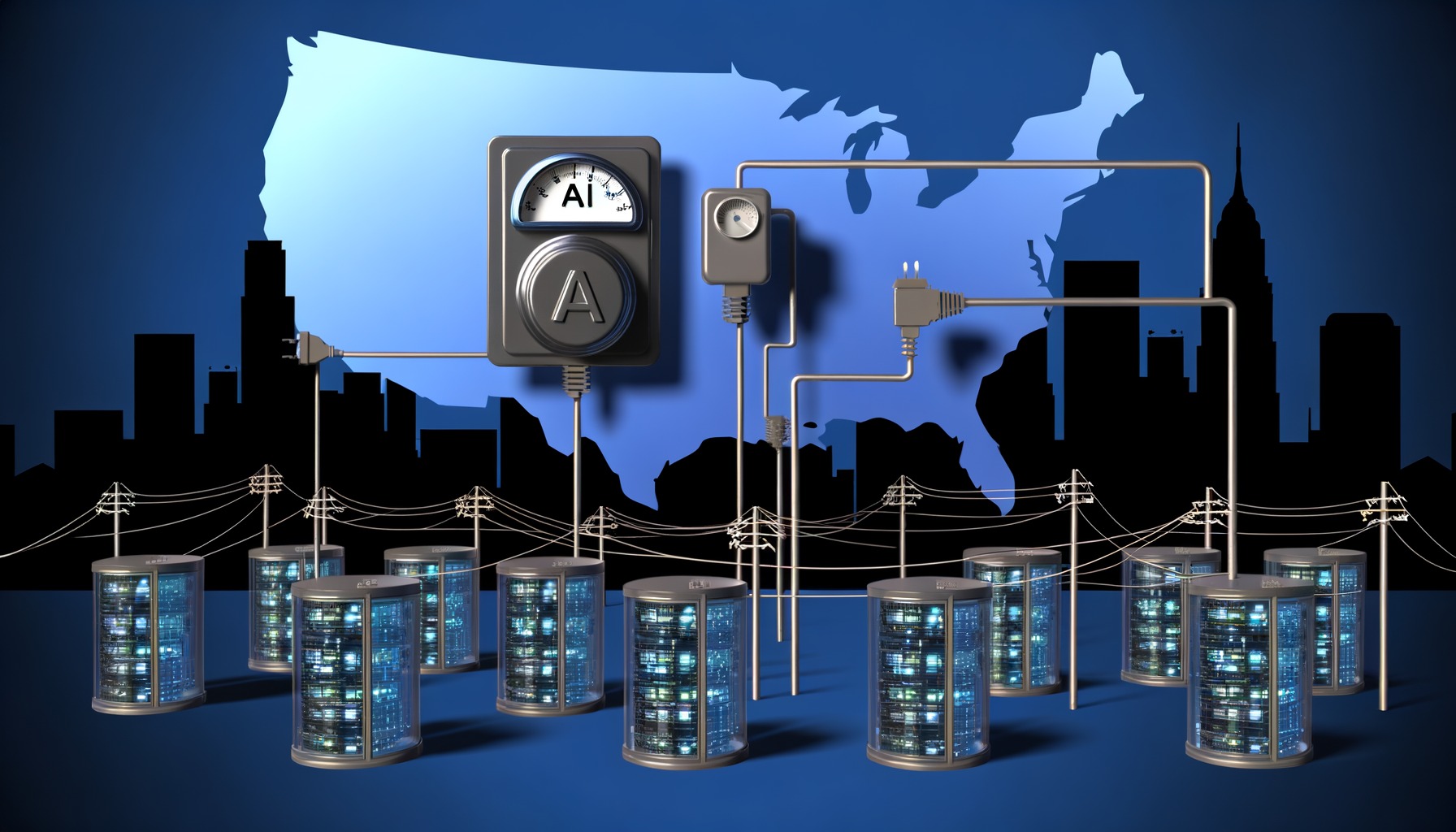
The increasing number of data centres powering AI could pose significant challenges for the United States power grid, as reported by Bloomberg. Findings indicate a connection between data centre activity and ‘bad harmonics,’ a term describing electrical power distortions that can damage appliances, heighten fire risks, and lead to power outages.
Bloomberg’s analysis, using data from Whisker Labs and DC Byte, revealed that over half of homes with the worst power distortions are located within 20 miles of active data centres. AI-driven centres, with their unpredictable energy needs, exacerbate these grid strains, pushing infrastructure beyond its designed limits.
Experts, including Aman Joshi of Bloom Energy, warn that no current grid can handle such intense load fluctuations from multiple data centres. While some utility companies question these findings, the report underscores the urgent need to address the interplay between technological expansion and energy stability.