
OpenAI has launched its text-to-video AI model, Sora, to ChatGPT Plus and Pro users, signalling a broader push into multimodal AI technologies. Initially limited to safety testers, Sora is now available as Sora Turbo at no additional cost, allowing users to create videos up to 20 seconds long in various resolutions and aspect ratios.
The move positions OpenAI to compete with similar tools from Meta, Google, and Stability AI. While the model is accessible in most regions, it remains unavailable in EU countries, the UK, and Switzerland due to regulatory considerations. OpenAI plans to introduce tailored pricing options for Sora next year.
The company emphasised safeguards against misuse, such as blocking harmful content like child exploitation and deepfake abuse. It also plans to gradually expand features, including uploads of people, as it enhances protections. Sora marks another step in OpenAI’s efforts to innovate responsibly in the AI space.
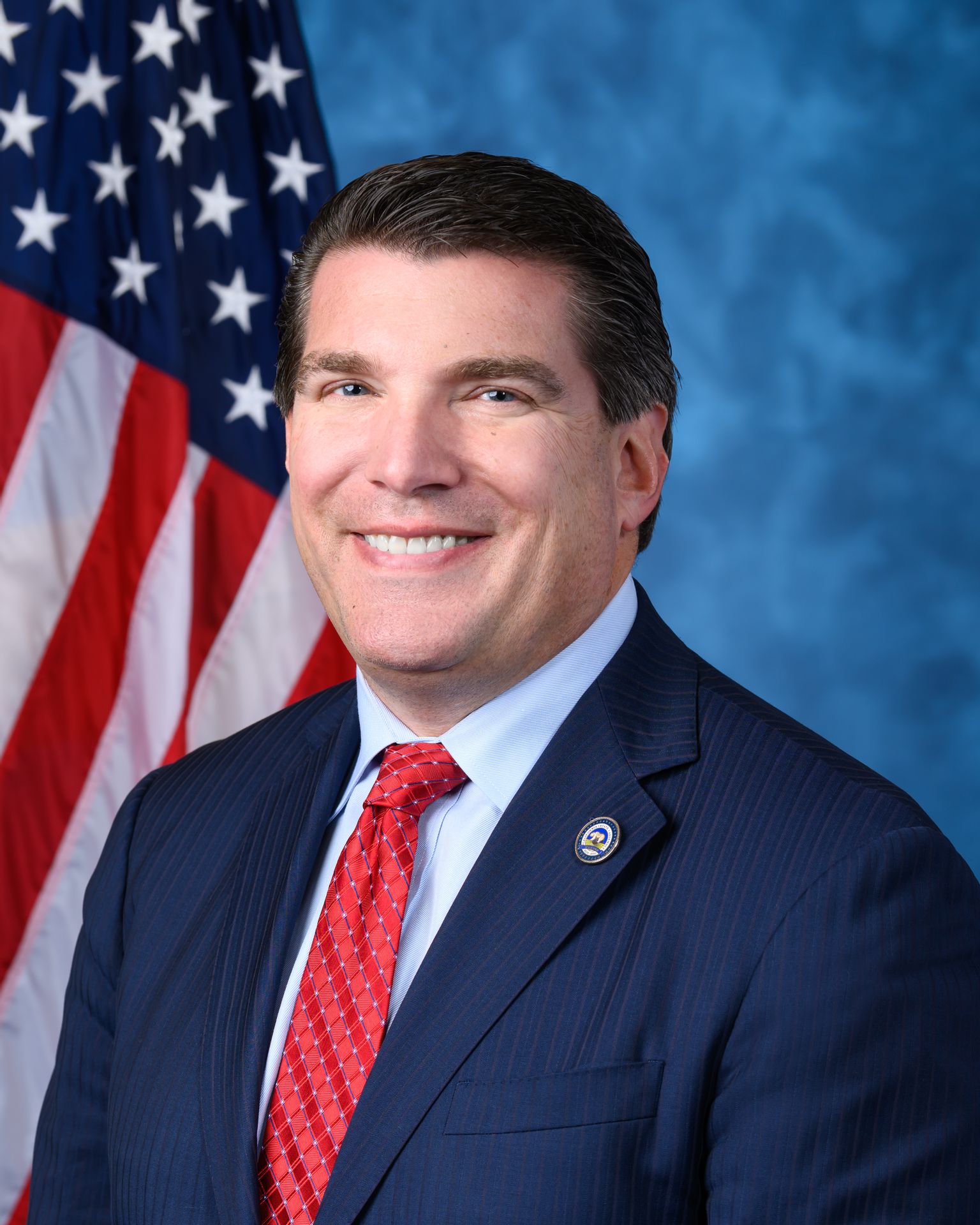
Congressman Jay Obernolte has called on federal energy regulators to prioritise co-located data centres directly connected to power plants. The move, he argues, is essential for advancing US AI capabilities while addressing energy demands and grid resilience.
The proposal comes amid debates over co-location’s potential impact on grid reliability. A recent Federal Energy Regulatory Commission (FERC) decision rejected an Amazon-Talen Energy project in Pennsylvania, citing grid concerns. Obernolte urged FERC to expedite decisions on such projects to support US AI innovation.
Energy firms Talen and Constellation have challenged FERC’s recent rulings, highlighting the growing importance of energy policies in AI expansion.

Jack Ma, co-founder of Alibaba, made a rare public appearance on Sunday, expressing optimism about the future of Ant Group, the fintech affiliate he also helped establish. Speaking at Ant’s 20th-anniversary celebration, Ma highlighted the transformative potential of AI, stating that the changes driven by AI in the next two decades will surpass current expectations. His remarks, reported by Chinese media outlet 36kr, marked a notable return to the spotlight following his retreat from public life amid regulatory challenges.
Reflecting on Ant Group’s turbulent journey, Ma acknowledged the value of criticism and encouragement in fostering the company’s growth. Ant, the operator of China’s leading mobile payment app Alipay, faced a regulatory crackdown after Ma’s public critique of Chinese regulators in 2020. This led to the cancellation of Ant’s $300 billion IPO, followed by a stringent overhaul of its operations to align with financial regulations. The reforms included Ma relinquishing control of the company in 2023.
Despite these challenges, Ant is charting a path forward, underscored by a leadership transition announced Sunday. President Cyril Han will succeed Eric Jing as CEO starting March 1, 2024. Ma’s renewed confidence in Ant’s potential, especially in the AI era, signals a fresh chapter for the fintech giant as it emerges from years of regulatory scrutiny.

Meta Platforms has partnered with Invenergy to purchase green energy credits from four large solar projects in the United States, supporting its goal to power operations with 100% clean energy. These projects, generating 760 megawatts—enough to power approximately 130,000 homes—will be located in Ohio, Texas, New Mexico, and Arkansas and are expected to connect to the grid between 2024 and 2027.
The deal is part of Meta‘s broader strategy to meet the energy demands of its data centres sustainably, including prior agreements with geothermal and solar initiatives. While Meta won’t directly use the power, the credits will offset its energy footprint.
Urvi Parekh, Meta’s head of global energy, stated the projects reaffirm Meta’s commitment to environmental sustainability. The move comes amid rising energy demands from the company’s expanding global operations.

Meta Platforms has teamed up with James Cameron‘s Lightstorm Vision to enhance 3D entertainment production for its Meta Quest headsets. The partnership will focus on live sports, concerts, and TV series, with the Quest serving as Lightstorm’s exclusive mixed reality hardware platform.
This collaboration reaffirms Meta’s commitment to its mixed-reality initiatives, following significant investments in augmented reality and metaverse technologies. In addition, both companies will work on reducing the production costs of creating 3D content, making immersive media more accessible.
In September, Meta introduced a more affordable version of the Quest, aligning with its goal to expand its user base.

OpenAI is working to integrate AI into e-learning through customisable GPT tools, potentially revolutionising how students interact with academic content. According to Siya Raj Purohit of OpenAI‘s education team, professors are already using AI to create tailored course models, allowing students to engage with focused material. These tools could become staples in education, enabling personalised, lifelong learning.
The initiative complements OpenAI’s broader push into education, marked by the launch of ChatGPT Edu for universities and the hiring of former Coursera executive Leah Belsky. Despite these efforts, challenges remain as many educators express reservations about AI’s role in teaching. Tools like Khanmigo, developed with OpenAI, demonstrate AI’s potential but also reveal its current limitations, including accuracy issues.
With the education AI market expected to reach $88.2 billion, OpenAI is committed to refining its tools and addressing educators’ concerns to drive adoption in this burgeoning sector.

Tamar Eilam, a leading scientist at IBM, is pushing boundaries in sustainable computing. With 24 years at the company, she serves as an IBM fellow and chief scientist for sustainable computing, tackling one of AI’s most pressing challenges its immense energy consumption. Eilam’s work includes spearheading projects like Kepler, an open-source tool that quantifies the energy usage of applications, helping teams adopt greener AI practices.
AI’s energy demands are staggering, with reports showing that a single ChatGPT search consumes ten times more electricity than a typical Google search. Eilam envisions AI as a double-edged sword—capable of aiding sustainability efforts like decarbonising power grids while also requiring extensive resources to function. To address these issues, her team focuses on efficient AI training methods, high-quality data use, and platform optimisations to reduce resource drain.
Eilam advocates for transparency and trust in AI development. IBM’s approach ensures energy-efficient models, like its Granite line, while addressing intellectual property concerns with verifiable data sources. She also highlights the need for startups and companies to prioritise openness about energy impacts and guardrails to prevent misuse.
Beyond technical achievements, Eilam is a vocal advocate for gender diversity in AI. She emphasises breaking unconscious biases and encourages women to persist in leadership roles. Her passion for merging climate solutions with cutting-edge technology continues to shape sustainable computing innovations.

Italian startup iGenius and Nvidia are teaming up to launch one of the largest deployments of Nvidia’s advanced servers by mid-2025. The ‘Colosseum’ data centre in southern Italy will house around 80 GB200 NVL72 servers, each powered by 72 of Nvidia’s latest Blackwell chips, enabling unprecedented AI computing capabilities.
iGenius, a European AI unicorn with over €650 million in funding this year, specialises in open-source AI models for industries like banking and healthcare, prioritising strict data security. The Colosseum system will leverage Nvidia’s tools, including the NIM software platform, to simplify AI model distribution for businesses using Nvidia hardware.
Nvidia executives lauded the partnership, with VP Charlie Boyle highlighting its scale and uniqueness. Multiple Nvidia teams are working closely with iGenius to bring the cutting-edge system online, marking a significant milestone in AI infrastructure development.
OpenAI has launched ChatGPT Pro, a premium version of its chatbot priced at $200 per month, designed for engineering and research applications. The new subscription tier joins the company’s existing lineup, including ChatGPT Plus, Team, and Enterprise, signalling OpenAI’s drive to broaden its technology’s industry adoption.
ChatGPT Pro offers users cutting-edge tools like OpenAI’s o1 reasoning model, o1 mini, GPT-4o, and an advanced voice interface. It also includes o1 pro mode, a high-performance feature utilising extra computational power to tackle complex queries, making it especially valuable for technical professionals.
According to OpenAI, o1 pro mode significantly outperforms earlier iterations like o1 and o1-preview on benchmarks for tasks in mathematics, science, and coding. This launch underscores OpenAI’s commitment to delivering sophisticated AI solutions tailored to specialised and demanding fields.

Former PayPal COO David Sacks has been named as President-elect Donald Trump’s advisor on cryptocurrency and AI policy. Trump announced the appointment on Truth Social, stating Sacks would focus on creating a legal framework to support the US cryptocurrency industry and foster growth.
Sacks, a prominent venture capitalist and co-founder of Yammer, has been a longtime advocate for cryptocurrencies, describing them as aligning with PayPal’s original vision of a ‘database of money.’ His firm, Craft Ventures, has invested in major startups like SpaceX and Reddit.
While Sacks’ cryptocurrency stance is clear, his approach to AI policy remains less defined. However, his deregulatory leanings suggest a shift from the stricter policies of the outgoing Biden administration.
