CIRO discloses scale of August 2025 cyber incident

Canada’s investment regulator has confirmed a major data breach affecting around 750,000 people after a phishing attack in August 2025.

The Canadian Investment Regulatory Organization (CIRO) said threat actors accessed and copied a limited set of investigative, compliance, and market surveillance data. Some internal systems were taken offline as a precaution, but core regulatory operations continued across the country.

CIRO reported that personal and financial information was exposed, including income details, identification records, contact information, account numbers, and financial statements collected during regulatory activities in Canada.

No passwords or PINs were compromised, and the organisation said there is no evidence that the stolen data has been misused or shared on the dark web.

Affected individuals are being offered two years of free credit monitoring and identity theft protection as CIRO continues to monitor for further malicious activity nationwide.

Would you like to learn more about AI, tech, and digital diplomacy? If so, ask our Diplo chatbot!
OpenAI outlines advertising plans for ChatGPT access

The US AI firm, OpenAI, has announced plans to test advertising within ChatGPT as part of a broader effort to widen access to advanced AI tools.

An initiative that focuses on supporting the free version and the low-cost ChatGPT Go subscription, while paid tiers such as Plus, Pro, Business, and Enterprise will continue without advertisements.

According to the company, advertisements will remain clearly separated from ChatGPT responses and will never influence the answers users receive.

Responses will continue to be optimised for usefulness instead of commercial outcomes, with OpenAI emphasising that trust and perceived neutrality remain central to the product’s value.

User privacy forms a core pillar of the approach. Conversations will stay private, data will not be sold to advertisers, and users will retain the ability to disable ad personalisation or remove advertising-related data at any time.

During early trials, ads will not appear for accounts linked to users under 18, nor within sensitive or regulated areas such as health, mental wellbeing, or politics.

OpenAI describes advertising as a complementary revenue stream rather than a replacement for subscriptions.

The company argues that a diversified model can help keep advanced intelligence accessible to a wider population, while maintaining long term incentives aligned with user trust and product quality.

Would you like to learn more about AI, tech and digital diplomacy? If so, ask our Diplo chatbot!

New ETSI standard defines cybersecurity rules for AI systems

ETSI has released ETSI EN 304 223, a new European Standard establishing baseline cybersecurity requirements for AI systems.

Approved by national standards bodies, the framework becomes the first globally applicable EN focused specifically on securing AI, extending its relevance beyond European markets.

The standard recognises that AI introduces security risks not found in traditional software. Threats such as data poisoning, indirect prompt injection and vulnerabilities linked to complex data management demand tailored defences instead of conventional approaches alone.

ETSI EN 304 223 combines established cybersecurity practices with targeted measures designed for the distinctive characteristics of AI models and systems.

Adopting a full lifecycle perspective, the ETSI framework defines thirteen principles across secure design, development, deployment, maintenance and end of life.

Alignment with internationally recognised AI lifecycle models supports interoperability and consistent implementation across existing regulatory and technical ecosystems.

ETSI EN 304 223 is intended for organisations across the AI supply chain, including vendors, integrators and operators, and covers systems based on deep neural networks, including generative AI.

Further guidance is expected through ETSI TR 104 159, which will focus on generative AI risks such as deepfakes, misinformation, confidentiality concerns and intellectual property protection.

Would you like to learn more about AI, tech and digital diplomacy? If so, ask our Diplo chatbot!

Verizon responds to major network outage

A large-scale network disruption has been confirmed by Verizon, affecting wireless voice, messaging, and mobile data services and leaving many customer devices operating in SOS mode across several regions.

The company acknowledged service interruptions during Wednesday afternoon and evening, while emergency calling capabilities remained available.

Additionally, the telecom provider issued multiple statements apologising for the disruption and pledged to provide account credits to impacted customers. Engineering teams were deployed throughout the incident, with service gradually restored later in the day.

Verizon advised users still experiencing connectivity problems to restart their devices once normal operations resumed.

Despite repeated updates, the company has not disclosed the underlying cause of the outage. Independent outage-tracking platforms described the incident as a severe breakdown in cellular connectivity, with most reports citing complete signal loss and mobile phone failures.

Verizon stated that further updates would be shared following internal reviews, while rival mobile networks reported no comparable disruptions during the same period.

Would you like to learn more about AI, tech and digital diplomacy? If so, ask our Diplo chatbot!

TikTok faces perilous legal challenge over child safety concerns

British parents suing TikTok over the deaths of their children have called for greater accountability from the platform, as the case begins hearings in the United States. One of the claimants said social media companies must be held accountable for the content shown to young users.

Ellen Roome, whose son died in 2022, said the lawsuit is about understanding what children were exposed to online.

The legal filing claims the deaths were a foreseeable result of TikTok’s design choices, which allegedly prioritised engagement over safety. TikTok has said it prohibits content that encourages dangerous behaviour.

Roome is also campaigning for proposed legislation that would allow parents to access their children’s social media accounts after a death. She said the aim is to gain clarity and prevent similar tragedies.

TikTok said it removes most harmful content before it is reported and expressed sympathy for the families. The company is seeking to dismiss the case, arguing that the US court lacks jurisdiction.

Would you like to learn more about AI, tech, and digital diplomacy? If so, ask our Diplo chatbot!

Microsoft urges systems approach to AI skills in Europe

AI is increasingly reshaping European workplaces, though large-scale job losses have not yet materialised. Studies by labour bodies show that tasks change faster than roles disappear.

Policymakers and employers face pressure to expand AI skills while addressing unequal access to them. Researchers warn that the benefits and risks concentrate among already skilled workers and larger organisations.

Education systems across Europe are beginning to integrate AI literacy, including teacher training and classroom tools. Progress remains uneven between countries and regions.

Microsoft experts say workforce readiness will depend on evidence-based policy and sustained funding. Skills programmes alone may not offset broader economic and social disruption from AI adoption.

Would you like to learn more about AI, tech and digital diplomacy? If so, ask our Diplo chatbot

Samsara turns operational data into real-world impact

Samsara has built a platform that helps companies with physical operations run more safely and efficiently. Founded in 2015 by MIT alumni John Bicket and Sanjit Biswas, the company connects workers, vehicles, and equipment through cloud-based analytics.

The platform combines sensors, AI cameras, GPS tracking, and real-time alerts to cut accidents, fuel use, and maintenance costs. Large companies across logistics, construction, manufacturing, and energy report cost savings and improved safety after adopting the system.

Samsara turns large volumes of operational data into actionable insights for frontline workers and managers. Tools like driver coaching, predictive maintenance, and route optimisation reduce risk at scale while recognising high-performing field workers.

The company is expanding its use of AI to manage weather risk, support sustainability, and enable the adoption of electric fleets. They position data-driven decision-making as central to modernising critical infrastructure worldwide.

Would you like to learn more about AI, tech and digital diplomacy? If so, ask our Diplo chatbot

Indian companies remain committed to AI spending

Almost all Indian companies plan to sustain AI spending even without near-term financial returns. A BCG survey shows 97 percent will keep investing, higher than the 94 percent global rate.

Corporate AI budgets in India are expected to rise to about 1.7 percent of revenue in 2026. Leaders see AI as a long-term strategic priority rather than a short-term cost.

Around 88 percent of Indian executives express confidence in AI generating positive business outcomes. That is above the global average of 82 percent, reflecting strong optimism among local decision-makers.

Despite enthusiasm, fewer Indian CEOs personally lead AI strategy than their global peers, and workforce AI skills lag international benchmarks. Analysts say talent and leadership alignment remain key as spending grows.

Would you like to learn more about AI, tech and digital diplomacy? If so, ask our Diplo chatbot

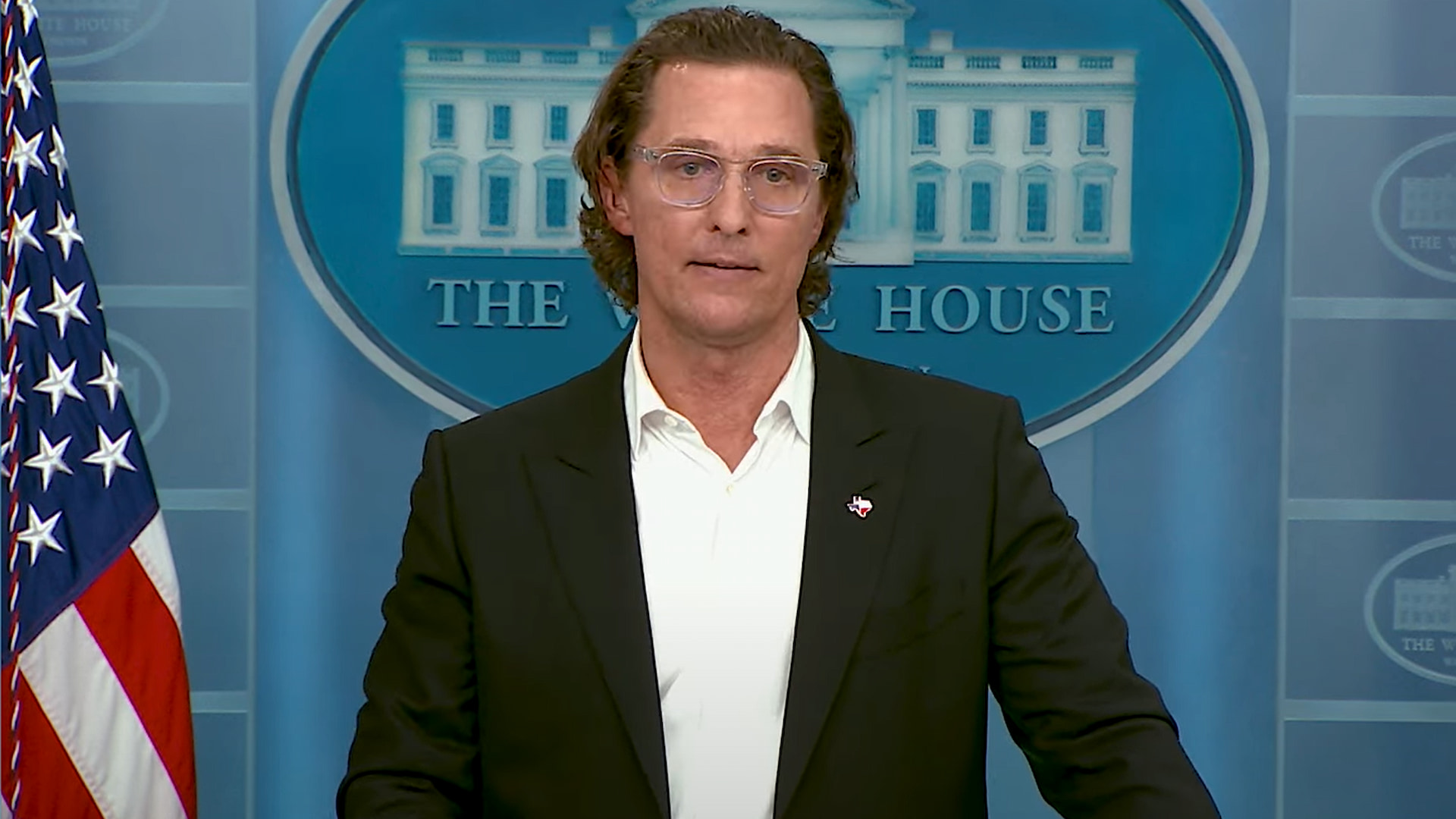
Matthew McConaughey moves decisively to protect AI likeness rights

Oscar-winning actor Matthew McConaughey has trademarked his image and voice to protect them from unauthorised use by AI platforms. His lawyers say the move is intended to safeguard consent and attribution in an evolving digital environment.

Several clips, including his well-known catchphrase from Dazed and Confused, have been registered with the United States Patent and Trademark Office. Legal experts say it is the first time an actor has used trademark law to address potential AI misuse of their likeness.

McConaughey’s legal team said there is no evidence of his image being manipulated by AI so far. The trademarks are intended to act as a preventative measure against unauthorised copying or commercial use.

The actor said he wants to ensure any future use of his voice or appearance is approved. Lawyers also said the approach could help capture value created through licensed AI applications.

Concerns over deepfakes and synthetic media are growing across the entertainment industry. Other celebrities have faced unauthorised AI-generated content, prompting calls for stronger legal protections.

Would you like to learn more about AI, tech, and digital diplomacy? If so, ask our Diplo chatbot!
EU allocates $356 million for AI and digital technologies

The European Commission has announced €307.3 million ($356 million) in new funding to advance digital technologies across the EU. The initiative aims to strengthen Europe’s innovation, competitiveness, and strategic digital autonomy.

A total of €221.8 million will support projects in AI, robotics, quantum technologies, photonics, and virtual worlds. One focus is the development of trustworthy AI services and innovative data solutions to enhance EU digital leadership.

More than €40 million has been allocated to the Open Internet Stack Initiative, which aims to advance end-user applications and core stack technologies, boosting European digital sovereignty. A second call of €85.5 million will target open strategic autonomy in emerging digital technologies and raw materials.

The funding is open to businesses, academic institutions, public administrations, and other entities from EU member states and partner countries. Priority areas include next-generation AI agents, industrial and service robotics, and new materials with enhanced sensing capabilities.

Would you like to learn more about AI, tech and digital diplomacy? If so, ask our Diplo chatbot