South Korea and NATO have pledged closer cooperation on cybersecurity following high-level talks in Seoul this week, according to Yonhap News Agency.
The discussions, led by Ambassador for International Cyber Affairs Lee Tae Woo and NATO Assistant Secretary General Jean-Charles Ellermann-Kingombe, focused on countering cyber threats and assessing risks in the Indo-Pacific and Euro-Atlantic regions.
Launched in 2023, the high-level cyber dialogue aims to deepen collaboration between South Korea and NATO in the cybersecurity domain.
The meeting followed talks between Defence Minister Ahn Gyu-back and NATO Military Committee chair Giuseppe Cavo Dragone during the Seoul Defence Dialogue earlier this week.
Dragone said cooperation would expand across defence exchanges, information sharing, cyberspace, space, and AI as ties between Seoul and NATO strengthen.
Would you like to learn more about AI, tech, and digital diplomacy? If so, ask our Diplo chatbot!
Chinese scientists have unveiled SpikingBrain1.0, the world’s first large-scale AI language model to replicate the human brain. The model reduces energy use and runs independently of Nvidia chips, departing from conventional AI architectures.
Developed by the Chinese Academy of Sciences, SpikingBrain1.0 uses spiking neural networks to activate only the required neurons for each task, rather than processing all information simultaneously.
Instead of evaluating every word in parallel, it focuses on the most recent and relevant context, enabling faster and more efficient processing. Researchers claim the model operates 25 to 100 times faster than traditional AI systems while keeping accuracy competitive.
A significant innovation is hardware independence. SpikingBrain1.0 runs on China’s MetaX chip platform, reducing reliance on Nvidia GPUs. It also requires less than 2% of the data typically needed for pre-training large language models, making it more sustainable and accessible.
SpikingBrain1.0 could power low-energy, real-time applications such as autonomous drones, wearable devices, and edge computing. The model highlights a shift toward biologically-inspired AI prioritising efficiency and adaptability over brute-force computation.
Would you like to learn more aboutAI, tech and digital diplomacy? If so, ask our Diplo chatbot!
The UK’s National Cyber Security Centre has released version 4.0 of its Cyber Assessment Framework to help organisations protect essential services from rising cyber threats.
An updated CAF that provides a structured approach for assessing and improving cybersecurity and resilience across critical sectors.
Version 4.0 introduces a deeper focus on attacker methods and motivations to inform risk decisions, ensures software in essential services is developed and maintained securely, and strengthens guidance on threat detection through security monitoring and threat hunting.
AI-related cyber risks are also now covered more thoroughly throughout the framework.
The CAF primarily supports energy, healthcare, transport, digital infrastructure, and government organisations, helping them meet regulatory obligations such as the NIS Regulations.
Developed in consultation with UK cyber regulators, the framework provides clear benchmarks for assessing security outcomes relative to threat levels.
Authorities encourage system owners to adopt CAF 4.0 alongside complementary tools such as Cyber Essentials, the Cyber Resilience Audit, and Cyber Adversary Simulation services. These combined measures enhance confidence and resilience across the nation’s critical infrastructure.
Would you like to learn more aboutAI, tech and digital diplomacy? If so, ask our Diplo chatbot!
The US Federal Trade Commission has launched an inquiry into AI chatbots that act as digital companions, raising concerns about their impact on children and teenagers.
Seven firms, including Alphabet, Meta, OpenAI and Snap, have been asked to provide information about how they address risks linked to ΑΙ chatbots designed to mimic human relationships.
Chairman Andrew Ferguson said protecting children online was a top priority, stressing the need to balance safety with maintaining US leadership in AI. Regulators fear minors may be particularly vulnerable to forming emotional bonds with AI chatbots that simulate friendship and empathy.
An inquiry that will investigate how companies develop AI chatbot personalities, monetise user interactions and enforce age restrictions. It will also assess how personal information from conversations is handled and whether privacy laws are being respected.
Other companies receiving orders include Character.AI and Elon Musk’s xAI.
The probe follows growing public concern over the psychological effects of generative AI on young people.
Last month, the parents of a 16-year-old who died by suicide sued OpenAI, alleging ChatGPT provided harmful instructions. The company later pledged corrective measures, admitting its chatbot does not always recommend mental health support during prolonged conversations.
Would you like to learn more aboutAI, tech and digital diplomacy? If so, ask our Diplo chatbot!
Vietnam’s National Credit Information Centre (CIC), a key financial data hub under the State Bank of Vietnam, confirmed a cybersecurity attack, according to the Vietnam Cyber Emergency Response Centre (VNCERT). Initial investigations suggest the attack was a deliberate attempt by cybercriminals to steal personal data.
VNCERT reported signs of unauthorized data access and potential leaks of sensitive information. The Department of Cybersecurity and High-Tech Crime Prevention has tasked VNCERT with leading the incident response and coordinating with major cybersecurity firms, including Viettel, VNPT, and NCS.
Authorities have deployed technical measures to contain the breach, assess its scope, and preserve the integrity of the national financial system. Evidence is being gathered for possible legal proceedings, while the full extent of compromised data remains under investigation.
VNCERT has warned individuals and organisations not to download, share, or exploit any leaked data, citing Vietnam’s data protection laws. Government agencies and financial institutions have been urged to audit their systems and comply with national cybersecurity standards.
Cybersecurity expert Ngô Minh Hiếu noted that critical banking data, such as passwords and credit card numbers, is not stored in CIC, suggesting financial transactions remain unaffected.
Would you like to learn more aboutAI, tech and digital diplomacy? If so, ask our Diplo chatbot!
Marks & Spencer’s technology chief, Rachel Higham, has stepped down less than 18 months after joining the retailer from BT.
Her departure comes months after a cyberattack in April by Scattered Spider disrupted systems and cost the company around £300 million. Online operations, including click-and-collect, were temporarily halted before being gradually restored.
In a memo to staff, the company described Higham as a steady hand during a turbulent period and wished her well. M&S has said it does not intend to replace her role, leaving questions over succession directly.
The retailer expects part of the financial hit to be offset by insurance. It has declined to comment further on whether Higham will receive a payoff.
Would you like to learn more about AI, tech and digital diplomacy? If so, ask our Diplo chatbot!
The California State Assembly passed SB 243, advancing legislation making the state the first in the USA to regulate AI companion chatbots. The bill, which aims to safeguard minors and vulnerable users, passed with bipartisan support and now heads to the state Senate for a final vote on Friday.
If signed into law by Governor Gavin Newsom, SB 243 would take effect on 1 January 2026. It would require companies like OpenAI, Replika, and Character.AI to implement safety protocols for AI systems that simulate human companionship.
The law would prohibit such chatbots from engaging in conversations involving suicidal ideation, self-harm, or sexually explicit content. For minors, platforms must provide recurring alerts every three hours, reminding them they interact with AI and encouraging breaks.
The bill also introduces annual transparency and reporting requirements, effective 1 July 2027. Users harmed by violations could seek damages of up to $1,000 per incident, injunctive relief and attorney’s fees.
The legislation follows the suicide of teen Adam Raine after troubling conversations with ChatGPT, and amid mounting scrutiny of AI’s impact on children. Lawmakers nationwide and the Federal Trade Commission (FTC) are increasing pressure on AI companies to bolster safeguards in the USA.
Though earlier versions of the bill included stricter requirements, like banning addictive engagement tactics, those provisions were removed. Still, backers say the final bill strikes a necessary balance between innovation and public safety.
Would you like to learn more aboutAI, tech and digital diplomacy? If so, ask our Diplo chatbot!
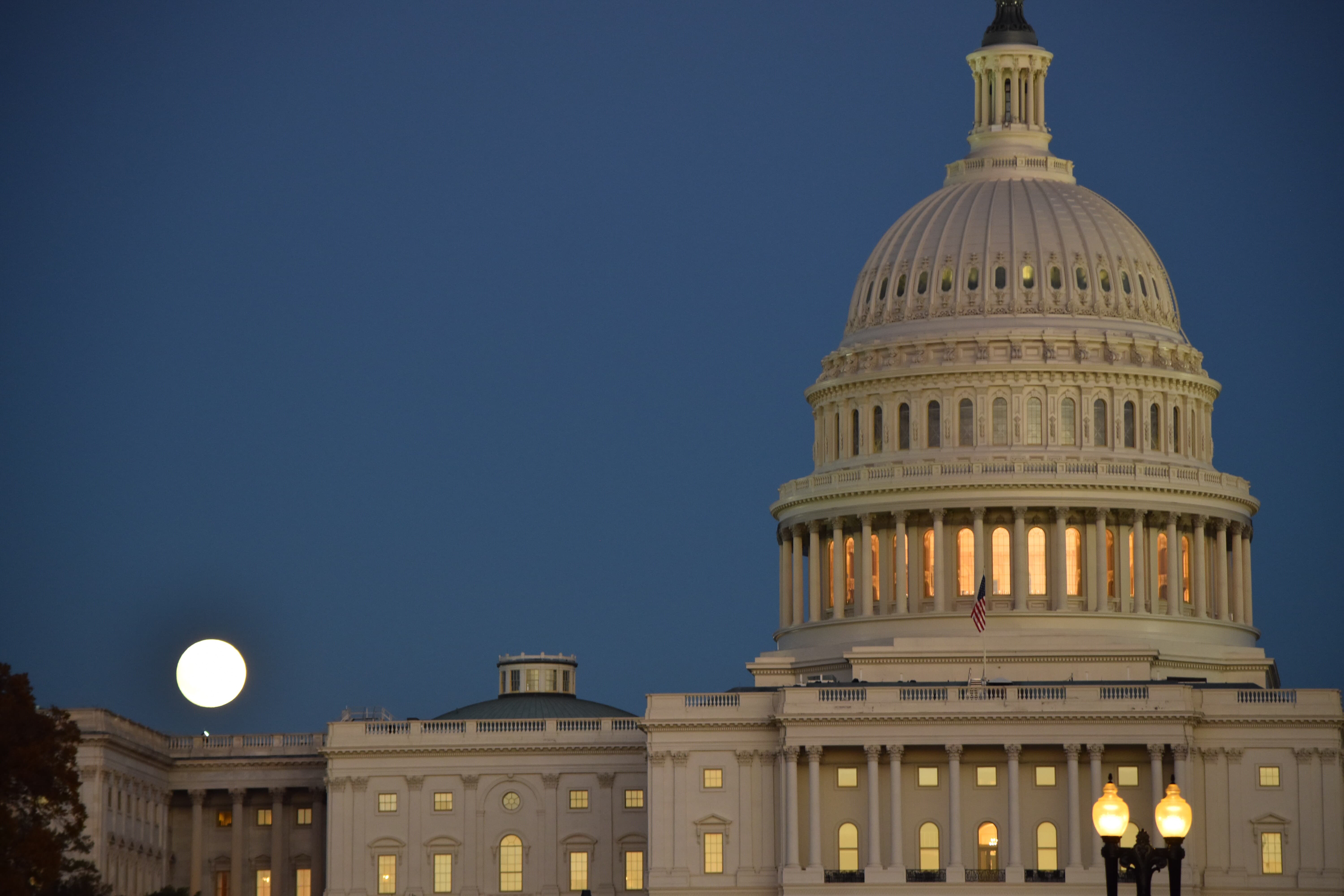
The US House of Representatives has passed an $848 billion defence policy bill with new provisions for cybersecurity and AI. Lawmakers voted 231 to 196 to approve the chamber’s version of the National Defence Authorisation Act (NDAA).
The bill mandates that the National Security Agency brief Congress on plans for its Cybersecurity Coordination Centre and requires annual reports from combatant commands on the levels of support provided by US Cyber Command.
It also calls for a software bill of materials for AI-enabled technology that the Department of Defence uses. The Pentagon will be authorised to create up to 12 generative AI projects to improve cybersecurity and intelligence operations.
An adopted amendment allows the NSA to share threat intelligence with the private sector to protect US telecommunications networks. Another requirement is that the Pentagon study the National Guard’s role in cyber response at the federal and state levels.
Proposals to renew the Cybersecurity Information Sharing Act and the State and Local Cybersecurity Grant Program were excluded from the final text. The Senate is expected to approve its version of the NDAA next week.
Would you like to learn more about AI, tech, and digital diplomacy? If so, ask our Diplo chatbot!
South Korea’s Personal Information Protection Commission has fined Moncler Korea 88 million won ($63,200) over a large-scale customer data breach.
The regulator said a cyberattack in December 2021 exposed the personal details of about 230,000 customers. Hackers gained access by compromising an administrator account and installing malware on the company’s servers.
The stolen information of the South Korean customers included purchase-related data, though names, dates of birth, emails and card numbers were not part of the leak.
According to officials, Moncler Korea only became aware of the breach a month later and delayed reporting it to both customers and the regulator.
Would you like to learn more about AI, tech and digital diplomacy? If so, ask our Diplo chatbot!
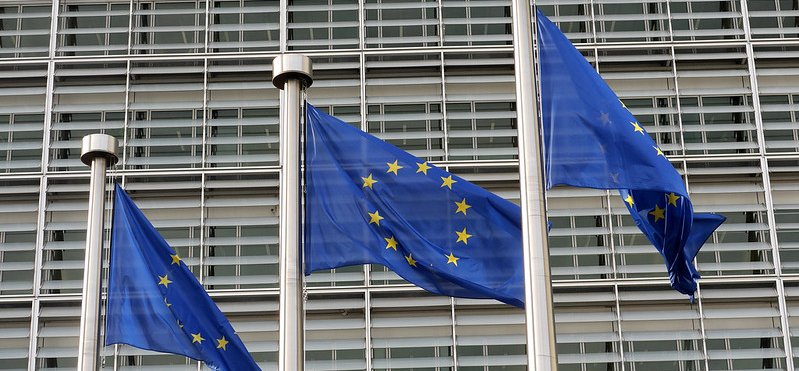
During her annual State of the Union address, von der Leyen said the Commission is closely monitoring Australia’s approach, where individuals under 16 are banned from using platforms like TikTok, Instagram, and Snapchat.
‘I am watching the implementation of their policy closely,’ von der Leyen said, adding that a panel of experts will advise her on the best path forward for Europe by the end of 2025.
Currently, social media age limits are handled at the national level across the EU, with platforms generally setting a minimum age of 13. France, however, is moving toward a national ban for those under 15 unless an EU-wide measure is introduced.
Several EU countries, including the Netherlands, have already warned against children under 15 using social media, citing health risks.
In June, the European Commission issued child protection guidelines under the Digital Services Act, and began working with five member states on age verification tools, highlighting growing concern over digital safety for minors.
Would you like to learn more aboutAI, tech and digital diplomacy? If so, ask our Diplo chatbot!