
Campaigning in the age of generative AI
Generative AI is reshaping political campaigns through tailored persuasion, multilingual outreach and automated content, but its rise also raises serious concerns about misinformation and democratic integrity.
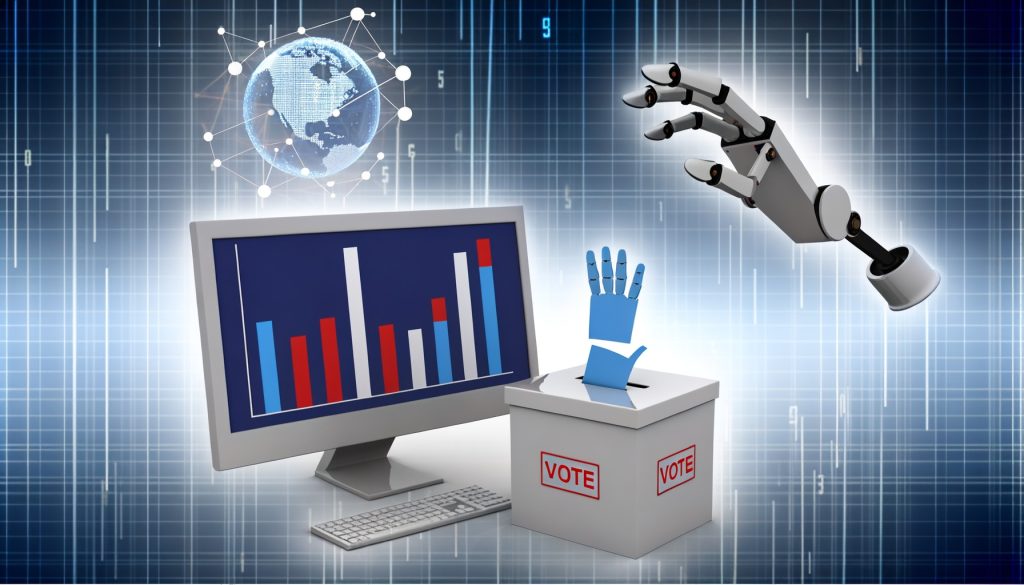
Generative AI is rapidly altering the political campaign landscape, argues the ORF article, which outlines how election teams worldwide are adopting AI tools for persuasion, outreach and content creation.
Campaigns can now generate customised messages for different voter groups, produce multilingual content at scale, and automate much of the traditional grunt work of campaigning.
On one hand, proponents say the technology makes campaigning more efficient and accessible, particularly in multilingual or resource-constrained settings. But the ease and speed with which content can be generated also lowers the barrier for misuse: AI-driven deepfakes, synthetic voices and disinformation campaigns can be deployed to mislead voters or distort public discourse.
Recent research supports these worries. For example, a large-scale study published in Science and Nature demonstrated that AI chatbots can influence voter opinions, swaying a non-trivial share of undecided voters toward a target candidate simply by presenting persuasive content.
Meanwhile, independent analyses show that during the 2024 US election campaign, a noticeable fraction of content on social media was AI-generated, sometimes used to spread misleading narratives or exaggerate support for certain candidates.
For democracy and governance, the shift poses thorny challenges. AI-driven campaigns risk eroding public trust, exacerbating polarisation and undermining electoral legitimacy. Regulators and policymakers now face pressure to devise new safeguards, such as transparency requirements around AI usage in political advertising, stronger fact-checking, and clearer accountability for misuse.
The ORF article argues these debates should start now, before AI becomes so entrenched that rollback is impossible.
Would you like to learn more about AI, tech and digital diplomacy? If so, ask our Diplo chatbot!