
Study warns AI chatbots may reinforce delusional thinking
Experts highlight risks of AI chatbots reinforcing delusional thinking.
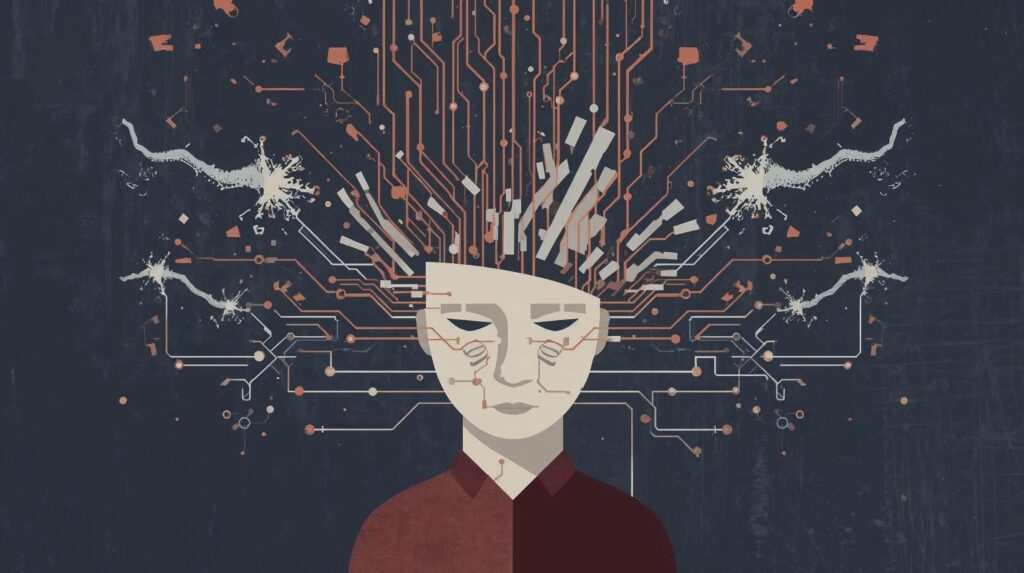
A new scientific review has raised concerns that AI chatbots could reinforce delusional thinking, particularly among people already vulnerable to psychosis. The review, published in The Lancet Psychiatry, summarises emerging evidence suggesting that chatbot interactions may validate or amplify delusional thinking in certain users.
The study examined reports and research discussing what some have described as ‘AI-associated delusions’. Dr Hamilton Morrin, a psychiatrist and researcher at King’s College London, analysed media reports and existing evidence exploring how chatbot responses might interact with psychotic symptoms.
Psychotic delusions generally fall into three categories: grandiose, romantic, and paranoid. Researchers say chatbots may unintentionally reinforce such beliefs because they often respond in ways that are supportive or affirming. In some reported cases, users received responses suggesting spiritual significance or implying that a higher entity was communicating through the chatbot.
Researchers emphasise that there is currently no clear evidence that AI systems can independently cause psychosis in individuals without prior vulnerability. However, interactions with chatbots could strengthen existing beliefs or accelerate the progression of delusional thinking in people already at risk.
Experts say the interactive nature of chatbots may intensify the effect. Unlike static sources of information such as videos or articles, chatbots can engage users directly and repeatedly, potentially reinforcing problematic beliefs more quickly.
Would you like to learn more about AI, tech, and digital diplomacy? If so, ask our Diplo chatbot!