
European Parliament committee backs stronger online protections for children
Digital regulation evolves as the European Parliament backs stricter rules for social media platforms.
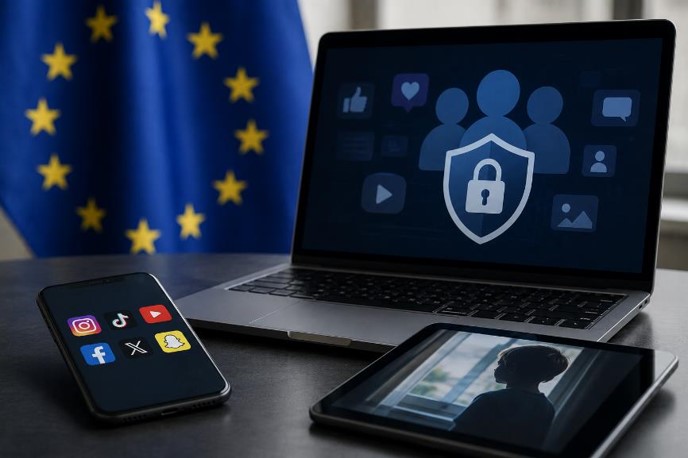
The European Parliament’s Committee on Culture and Education has adopted a report calling for stronger enforcement of existing EU digital legislation to create a safer online environment, particularly for children and young people.
MEPs argue that platforms should be held more accountable for the impact of their services through stronger safeguards, greater algorithmic transparency and stricter protections against addictive digital design.
The European Parliament report calls for a ban on the most harmful addictive platform features and supports introducing a dedicated ‘youth mode’ that would disable targeted advertising and reduce minors’ exposure to addictive design practices.
MEPs also propose greater transparency around recommender systems so users can better understand why content is promoted, restricted or removed. They further suggest introducing personal liability for serious and persistent failures to comply with child protection obligations.
Beyond platform design, the report recommends an EU-wide code of conduct for influencers and stronger safeguards against practices such as kidfluencing and sharenting, where children are used in commercial content or exposed excessively online.
MEPs also call for mandatory ethical standards for AI companions, greater transparency around AI model training, measures against AI-generated impersonation scams, stronger protection against synthetic child sexual abuse material, and systematic monitoring of children’s digital habits across the EU.
The committee said these measures should complement existing legislation, including the Digital Services Act, AI Act, GDPR and Audiovisual Media Services Directive, creating a more coherent EU framework for protecting minors online. The report will now be submitted to Parliament’s plenary session in September 2026.
Why does it matter?
The report signals growing political support for strengthening children’s online safety by making platforms more accountable for the design and operation of their services. Rather than relying solely on new legislation, MEPs are urging stronger enforcement of existing EU rules alongside targeted measures addressing addictive design, recommender systems and AI-powered services.
Although the report is not legally binding, it could influence future EU legislation and enforcement priorities by reinforcing the shift towards safety-by-design, greater transparency and stronger protections for minors across digital platforms.
Would you like to learn more about AI, tech and digital diplomacy? If so, ask our Diplo chatbot!