
EU advances digital electricity strategy through Electrification Action Plan
AI and smart grids strengthen the European Commission’s Digital Union agenda.
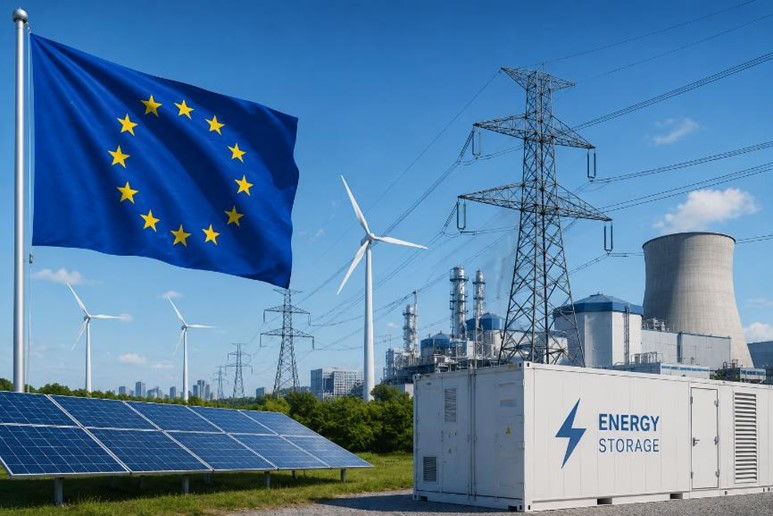
The European Commission has adopted the Electrification Action Plan and proposed changes to the EU electricity market rules aimed at accelerating the digitalisation of Europe’s electricity system and preparing it to support growing AI infrastructure.
The measures are intended to reduce energy system costs, improve grid efficiency and accelerate the deployment of smart technologies while supporting a cleaner, more affordable and resilient electricity market.
A central element of the proposal is the accelerated rollout of smart meters, with a target of covering at least 50% of final electricity customers by 2030 and 75% by 2033. The devices will provide near real-time consumption data, enabling consumers to shift electricity use to cheaper and cleaner periods while helping network operators manage congestion and integrate renewable energy more efficiently.
The proposal also seeks to improve the secure exchange of electricity grid data between transmission and distribution system operators. Better access to harmonised, high-quality data is expected to strengthen grid planning, support renewable energy integration, encourage demand-side flexibility and enable new digital services.
The Commission also proposes a voluntary European framework for the secure reuse of grid data to support research and AI-powered energy management.
The initiative complements the EU’s broader Digital Union agenda, including the Data Act, the AI Act, the proposed Cloud and AI Development Act and the AI Continent Action Plan.
According to the Commission, smarter electricity networks will provide the infrastructure needed to support AI factories, AI gigafactories and sustainable data centres while strengthening Europe’s energy security, competitiveness and strategic autonomy.
Why does it matter?
The proposal reflects a growing recognition that electricity infrastructure and digital infrastructure are becoming increasingly interconnected. AI systems, cloud computing and data centres require abundant, reliable and flexible electricity supplies, making modernised energy networks a prerequisite for Europe’s digital competitiveness.
By linking smart grids, secure data sharing, AI-enabled energy management and electricity market reform, the Commission is also broadening the concept of digital governance. Rather than treating energy and digital policy separately, the EU is increasingly developing them as mutually reinforcing pillars of its industrial, climate and technological strategy.
Would you like to learn more about AI, tech and digital diplomacy? If so, ask our Diplo chatbot!