
AI predicts brain age and cancer survival
BrainIAC uses AI to analyse brain MRIs, enabling predictions of neurological conditions and cancer outcomes while performing effectively even with limited training data.
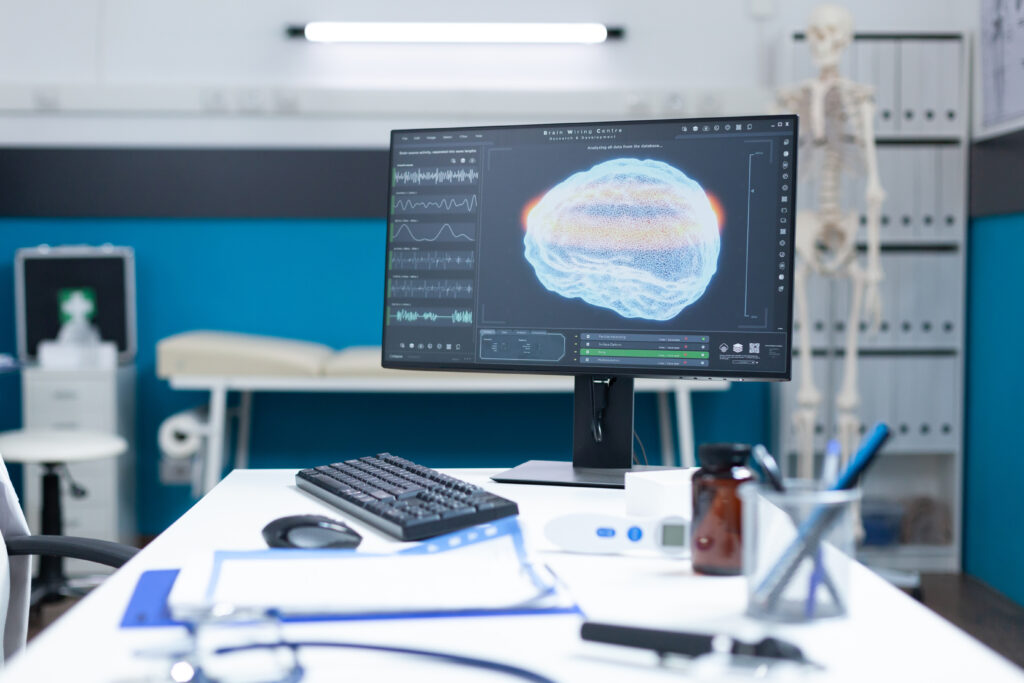
Researchers at Mass General Brigham have unveiled BrainIAC, an artificial intelligence model capable of analysing brain MRI scans to predict age, dementia risk, tumour mutations, and cancer survival. The model demonstrates remarkable flexibility, handling a wide variety of medical tasks with high accuracy.
BrainIAC employs self-supervised learning to identify features from unlabeled MRI datasets, allowing it to adapt to numerous clinical applications without requiring extensive annotated data. Its performance surpasses that of conventional task-specific AI frameworks.
Tests on nearly 49,000 MRI scans across seven different tasks revealed the model’s ability to generalise across both healthy and abnormal images. It successfully tackled both straightforward tasks, such as scan classification, and complex challenges, including tumour mutation detection.
The team highlights BrainIAC’s potential to accelerate biomarker discovery, improve diagnostic tools, and personalise patient care. While results are promising, researchers note that further studies on additional imaging techniques and larger datasets are necessary to validate its broader clinical use.
Would you like to learn more about AI, tech, and digital diplomacy? If so, ask our Diplo chatbot!