
Stablecoin rules updated in revised US Senate proposal
Lawmakers updated crypto legislation to tighten stablecoin oversight while introducing limited flexibility for payment-linked incentives and platform-based rewards.
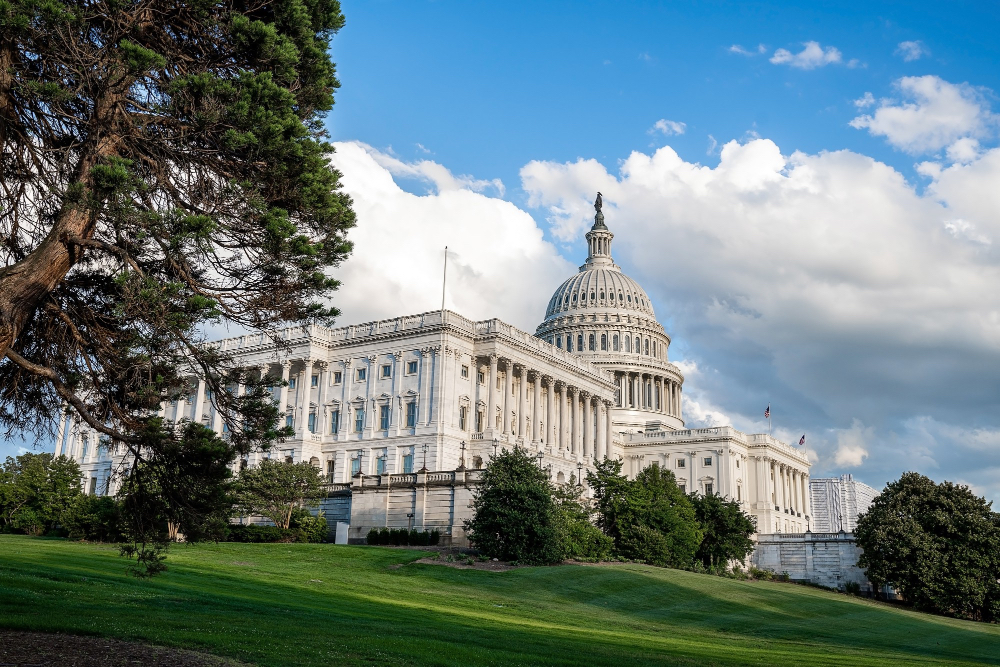
The US Senate Banking Committee has released a revised 309-page draft of the Digital Asset Market Clarity Act ahead of a markup vote, reopening debate on stablecoin rewards, DeFi protections and the regulation of digital asset markets.
The draft, proposed by Committee Chair Tim Scott, seeks to provide a federal framework for digital asset market structure, including provisions on securities innovation, illicit finance, decentralised finance, banking innovation, regulatory sandboxes, software developers and customer protection.
A key section addresses stablecoin rewards. The draft would prohibit digital asset service providers from paying interest or yield on payment stablecoin balances in a way that is economically or functionally equivalent to bank deposit interest. However, it would permit certain activity-based or transaction-based rewards and incentives, provided they are not equivalent to interest or yield on a bank deposit.
The text also includes provisions affecting decentralised finance. It covers rules on non-decentralised finance trading protocols, illicit finance obligations for distributed ledger messaging systems, temporary holds for certain digital asset transactions, voluntary cybersecurity programmes for DeFi trading protocols and studies on digital asset mixers, foreign intermediaries and financial stability risks.
Software developer protections are also included in the draft. The bill contains a dedicated title on protecting software developers and software innovation, including provisions on non-fungible tokens, self-custody and blockchain regulatory certainty.
The draft still faces further negotiation before any final vote. Lawmakers continue to debate the balance between consumer protection, illicit finance controls, innovation, stablecoin incentives and the treatment of decentralised finance. At the same time, the legislation needs to be aligned with other Senate work on digital asset market structure.
Why does it matter?
The revised Clarity Act is another step towards a federal framework for digital asset markets in the United States, with rules that could shape how crypto firms, stablecoin platforms and decentralised finance projects operate. Its provisions on stablecoin rewards, DeFi and software developers show lawmakers trying to balance innovation, consumer protection and oversight in one of the world’s most important financial markets.
Would you like to learn more about AI, tech, and digital diplomacy? If so, ask our chatbot!