
AI helps detect congenital heart defects in unborn babies
A study of 200 fetal ultrasounds across 11 centres showed AI improves detection rates, efficiency, and confidence scores for congenital heart defect assessments.
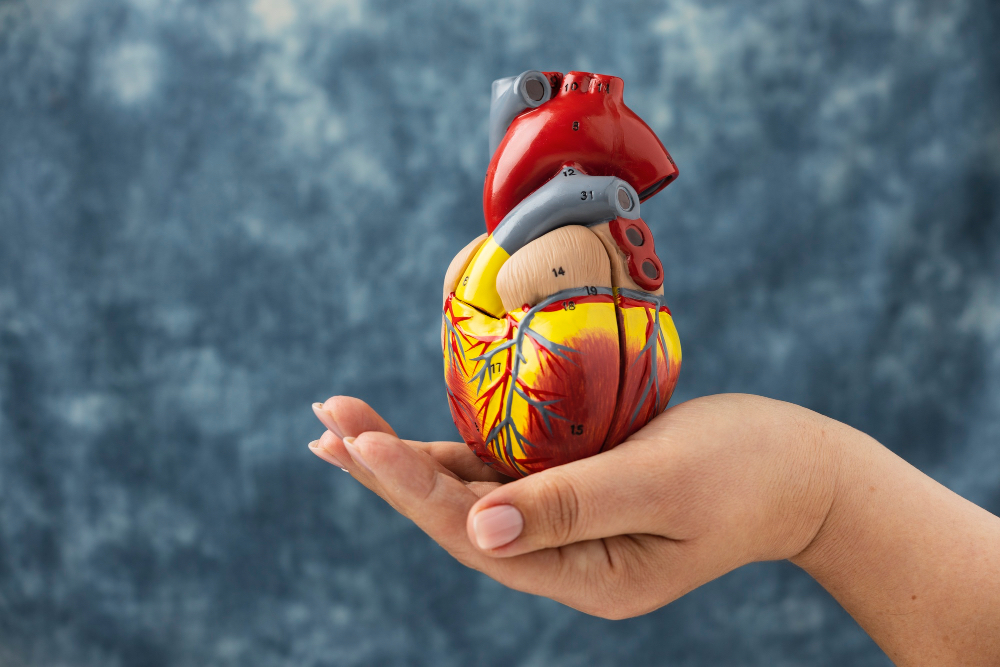
Mount Sinai doctors in New York City are the first to utilise AI to enhance prenatal ultrasounds and detect congenital heart defects more effectively. BrightHeart’s FDA-approved technology is now used at Mount Sinai-affiliated Carnegie Imaging for Women across three Manhattan locations.
Congenital heart defects affect about 1 in 500 newborns and often require urgent intervention.
A study in Obstetrics & Gynecology found AI-assisted ultrasounds detected major defects with over 97 percent accuracy, cut reading time by 18 percent, and raised confidence scores by 19 percent.
The study reviewed 200 fetal ultrasounds from 11 centres across two countries, with and without AI assistance, by obstetricians and maternal-fetal medicine specialists.
AI improved detection, confidence, and efficiency, especially in centres without specialised fetal heart experts.
Experts say AI can level the field of prenatal diagnosis and optimise patient care. Dr Lam-Rachlin and Dr Rebarber emphasised AI’s potential to standardise detection and urged further research for routine clinical use.
Would you like to learn more about AI, tech and digital diplomacy? If so, ask our Diplo chatbot!