
AI-designed sensors open new paths for early cancer detection
Researchers aim to develop a home diagnostic kit capable of detecting up to 30 cancers while enabling targeted therapeutic delivery.
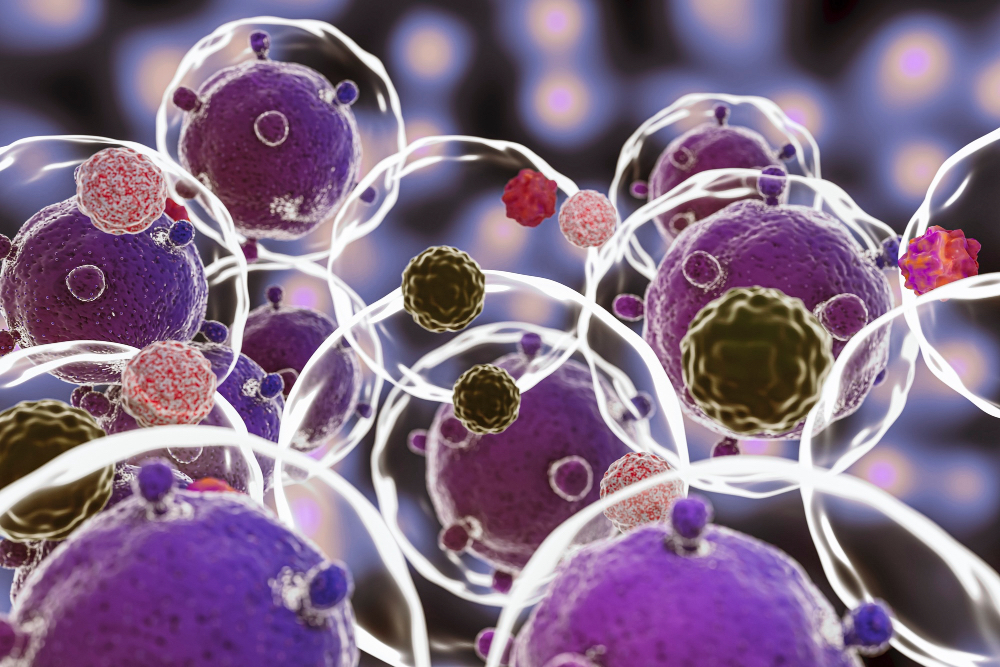
MIT and Microsoft researchers have developed AI-designed molecular sensors to detect cancer in its earliest stages. By coating nanoparticles with peptides targeted by cancer-linked enzymes, the sensors produce signals detectable through simple urine tests, potentially even at home.
The AI system, named CleaveNet, generates peptide sequences that are efficiently and selectively cleaved by specific proteases, enzymes overactive in cancer cells. The approach enables faster, more precise detection and can help identify a tumour’s type and location.
CleaveNet, trained on 20,000+ peptide-protease interactions, has designed novel peptides for enzymes like MMP13 that cancer cells use to metastasise. The system may cut the number of peptides needed for diagnostics and reveal key biological pathways.
Researchers plan an at-home kit to detect 30 cancers, with peptides also usable for targeted therapies. The work is part of an ARPA-H-funded initiative and highlights the potential of AI to accelerate early cancer detection and treatment.
Would you like to learn more about AI, tech and digital diplomacy? If so, ask our Diplo chatbot!