
Study warns AI chatbots can reinforce delusions and mania
Analysis of over 54,000 patient records suggests chatbots can amplify delusions, suicidal thoughts, and other serious symptoms in vulnerable users.
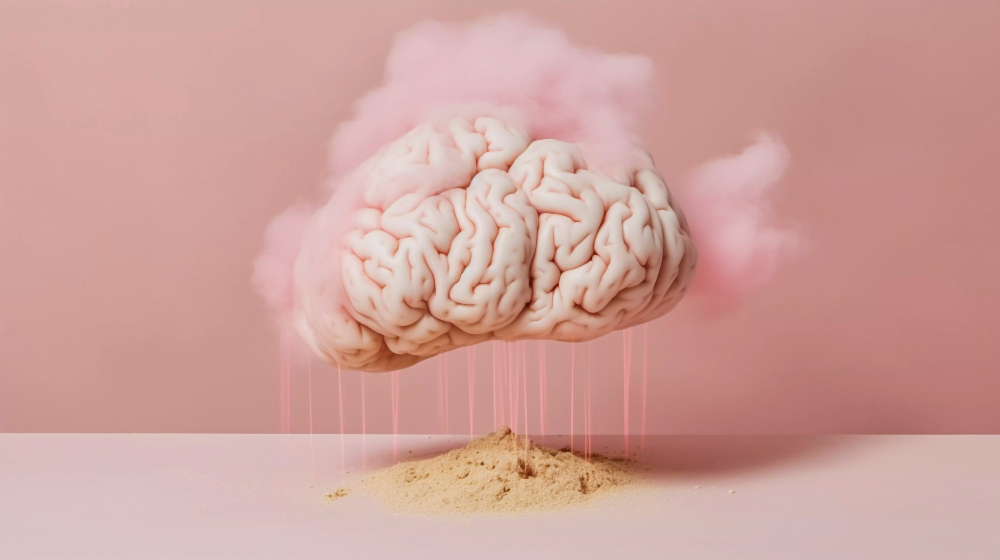
AI chatbots may pose serious risks for people with severe mental illnesses, according to a new study from Acta Psychiatrica Scandinavica. Researchers found that tools such as ChatGPT can worsen psychiatric conditions by reinforcing users’ delusions, paranoia, mania, suicidal thoughts, and eating disorders.
The team examined health records from more than 54,000 patients and identified dozens of cases where AI interactions appeared to exacerbate symptoms. Experts warn that the actual number of affected individuals is likely far higher.
AI’s design to follow and validate a user’s input can unintentionally strengthen delusional thinking, turning digital assistants into echo chambers for psychosis.
Despite potential benefits for psychoeducation or alleviating loneliness, experts caution against using AI as a substitute for trained therapists. Chatbots should be tested in rigorous clinical trials before any therapeutic use, says Professor Søren Dinesen Østergaard.
The researchers urge healthcare providers to discuss AI chatbot use with patients, particularly those with severe mental illnesses, and call for central regulation of the technology. They argue that lessons from social media show that early oversight is essential to protect vulnerable populations.
Would you like to learn more about AI, tech and digital diplomacy? If so, ask our Diplo chatbot!