
UNESCO study examines digital platform influence on news in South-East Europe
New research from UNESCO explores platform regulation and media freedom in South-East Europe.
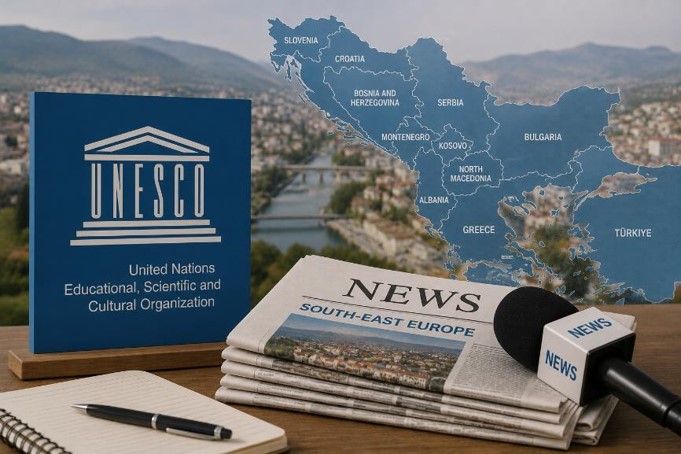
A new UNESCO-supported study has found that digital platforms are increasingly shaping how news reaches audiences across South-East Europe and Türkiye, creating new opportunities for journalism while increasing publishers’ dependence on platform algorithms.
Published by the South-East European Network for Professionalization of Media (SEENPM), the study examines how social media platforms, search engines and recommendation systems influence news distribution and how governments across the region regulate digital media.
The UNESCO-supported study surveyed 71 media organisations across Albania, Bosnia and Herzegovina, Montenegro, North Macedonia, Serbia and Türkiye. It found that digital platforms have become essential gateways to news for digital-native audiences while helping local and public-interest media reach wider audiences.
At the same time, newsrooms are increasingly adapting headlines, publishing schedules and visual content to satisfy platform algorithms, despite often lacking the technical expertise and financial resources needed to keep pace with constantly changing platform rules.
Researchers also documented numerous cases in which journalistic content was removed, downgraded, demonetised or restricted because automated moderation systems failed to understand local languages, cultural context or the public-interest value of reporting.
Many media organisations also reported limited communication with platform operators and ineffective appeal mechanisms, making it difficult to challenge moderation decisions or changes in algorithmic visibility.
The report recommends stronger transparency and accountability requirements for digital platforms, better appeal mechanisms, greater recognition of verified journalistic content, and increased support for media literacy and self-regulation.
UNESCO said the findings will contribute to the EU-funded project ‘Building Trust in Media in South-East Europe: Support to Journalism as a Public Good’, which seeks to promote rights-based digital platform governance while strengthening independent journalism across the region.
Why does it matter?
The study highlights how platform governance is becoming a defining factor in the future of journalism. While digital platforms enable publishers to reach larger audiences, they also shape news visibility through algorithms and automated moderation systems that can significantly affect traffic, revenue and public access to reliable information.
The findings also reinforce calls for more transparent and accountable platform governance. Better moderation processes, effective appeals and greater recognition of public-interest journalism could help ensure that automated systems support rather than inadvertently undermine media pluralism, local journalism and freedom of expression.
Would you like to learn more about AI, tech and digital diplomacy? If so, ask our Diplo chatbot!