
UK plans major social media ban for under-16s
A proposed UK social media ban for under-16s could reshape platform age-verification duties.
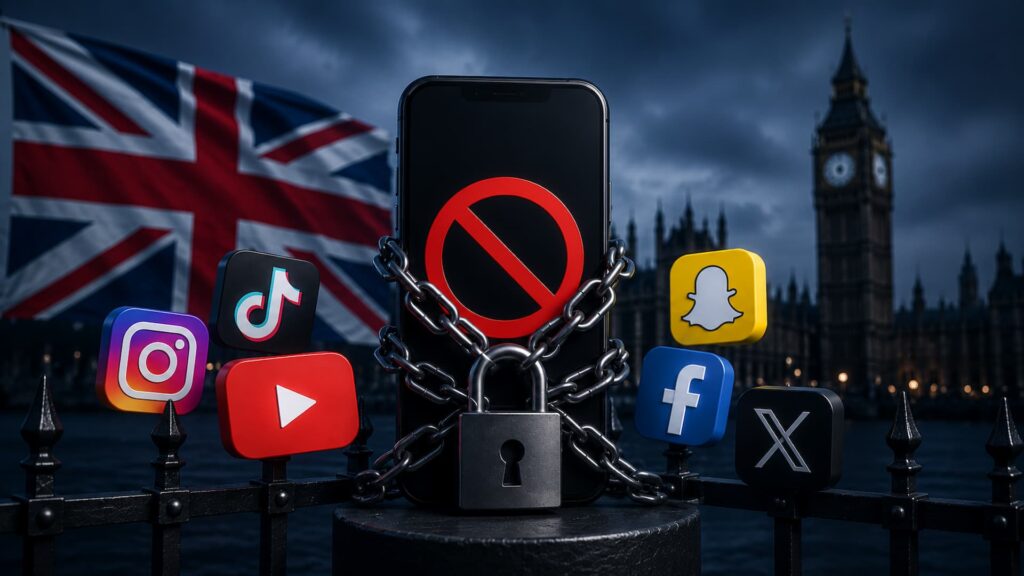
The UK government plans to introduce a social media ban for children under 16 as part of a wider package of online safety measures aimed at reducing children’s exposure to harmful content and risky online interactions.
Prime Minister Keir Starmer said the planned restrictions are intended to protect children from harmful material, excessive screen time and contact with unknown adults online. The measure is expected to apply to major social media platforms, while gaming and livestreaming services could face restrictions on features that allow children to interact with strangers.
The move follows a national consultation on children’s online safety, which examined possible age restrictions on social media and other online services, as well as limits on addictive design features and risky functionalities.
Further details are expected on implementation and enforcement, including how platforms would be required to verify users’ ages. The government has previously said that restrictions on children’s access to social media should be considered alongside broader protections for gaming platforms, AI chatbots and other online services used by young people.
The proposal would place the UK among a growing number of countries moving towards age-based restrictions on children’s access to social media. Australia has already adopted an under-16 social media ban, while other governments are considering similar approaches.
Supporters argue that age restrictions could reduce online harms and give parents clearer backing in setting boundaries for children’s technology use. Critics warn that enforcement may raise privacy concerns, increase reliance on age-verification systems and push children towards less regulated online spaces.
Why does it matter?
The proposal would move the UK closer to an age-based model of online safety regulation, where platforms may be expected to prevent under-16s from accessing certain services rather than only reduce harmful content after children join. That raises major governance questions around age assurance, privacy, platform design, parental responsibility and enforcement. The measure could also increase pressure on social media, gaming, livestreaming and AI chatbot services to redesign features that expose children to unknown adults, addictive interaction patterns or harmful content.
Would you like to learn more about AI, tech, and digital diplomacy? If so, ask our Diplo chatbot!