
Supply chains move toward adaptive AI-driven networks
Human roles are shifting toward strategic coordination as AI systems take over operational execution in evolving supply chain ecosystems.
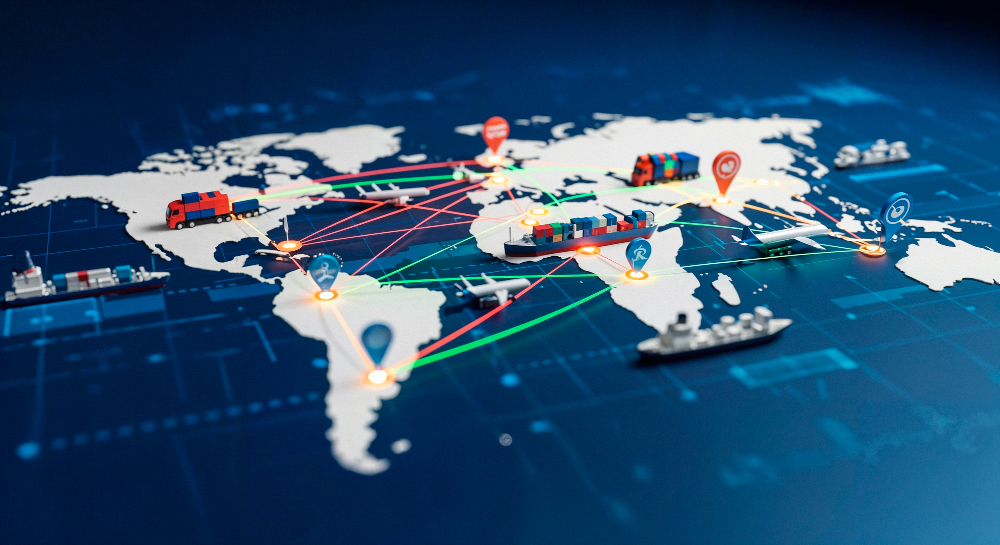
Supply chains are increasingly being redesigned to respond more dynamically to disruption, risk and changing market conditions, as companies explore AI-native systems that can support planning, decision-making and real-time adaptation.
Writing for the World Economic Forum, Avathon CEO Pervinder Johar argues that traditional supply-chain software is struggling to cope with a more volatile operating environment because many systems still rely on rigid rules, static configurations and manual workflows.
The article says the emerging model places greater emphasis on knowledge rather than raw data, combining context and reasoning across suppliers, logistics routes, energy markets and policy environments. AI-native systems are presented as a way to support continuous learning, improve disruption forecasting and help organisations assess alternative responses before problems escalate.
Physical AI is also described as part of the shift, embedding intelligence more directly into operational infrastructure. According to the article, this could allow logistics systems, equipment and connected assets to sense, compute and coordinate responses more quickly across supply-chain networks.
As automation expands, human roles are expected to move towards strategic oversight. Supply-chain professionals may spend less time managing dashboards and exceptions, and more time setting priorities, weighing trade-offs and guiding AI agents through intent expressed in natural language.
The broader argument is that supply-chain management is moving from reactive workflows towards more adaptive coordination, where systems can anticipate disruption, assess options and support decisions across organisations and partners.
Why does it matter?
Supply chains are facing persistent disruption from geopolitical tensions, climate risks, logistics bottlenecks and changing market conditions. If AI-enabled systems can improve forecasting, coordination and response, they could help companies build more resilient operations. However, the shift also raises governance questions around accountability, human oversight, data quality and reliance on automated decision-making across critical trade and logistics networks.
Would you like to learn more about AI, tech, and digital diplomacy? If so, ask our chatbot!