
European Commission publishes first Digital Markets Act review
EU assessment of the DMA highlights fines, compliance delays, and questions over extending rules to AI tools and cloud platforms.
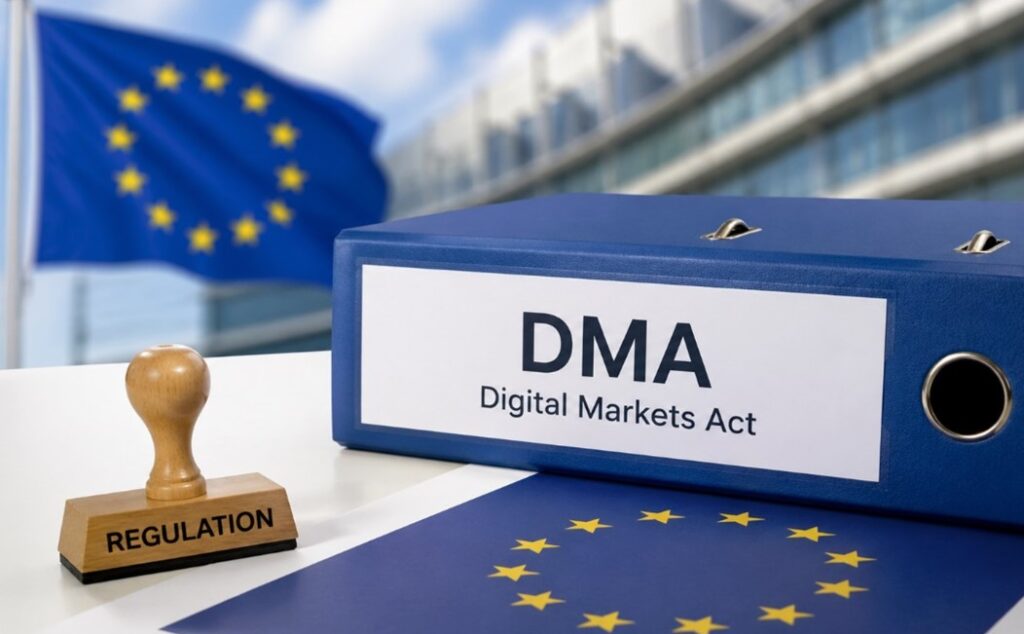
The European Commission has published its first formal review of the Digital Markets Act, assessing how the regulation is affecting the behaviour of large online platforms in the EU digital economy. According to the review, the law has produced visible changes in some areas, while also exposing continuing problems in implementation and enforcement.
The review points to changes in user choice since the DMA entered into force in March 2024. These include support for third-party app stores and prompts on devices to select browsers or search engines, alongside reported increases in usage and downloads of alternative services.
Enforcement action is also a central part of the assessment. In April 2025, Apple was fined €500 million for blocking developers from directing users to cheaper purchasing options, while Meta was fined €200 million over its ‘consent or pay’ model. Both companies are appealing the decisions.
At the same time, the review identifies clear implementation challenges. It says investigations are taking around twice as long as the 12-month target, while legal procedures are being used to slow compliance. It also raises broader questions about whether fast-growing areas such as AI tools and cloud platforms should eventually be brought within the scope of the regulation.
The Digital Markets Act is therefore presented less as a completed intervention than as an ongoing regulatory process. The review suggests that its long-term impact will depend not only on the rules already in force, but also on how consistently they are enforced and how the EU responds to changes in digital markets.
Why does it matter?
The review matters because it shows that the real test of the Digital Markets Act is no longer whether the EU can write rules for large platforms, but whether it can enforce them quickly and adapt them to new market realities. Early changes in user choice suggest the law is starting to affect platform behaviour. However, delays in investigations and questions around AI and cloud services show that the regulatory contest is still evolving.
Would you like to learn more about AI, tech and digital diplomacy? If so, ask our Diplo chatbot!