
New EU-Japan deal advances AI governance and data sharing
The partnership aims to deliver practical benefits for citizens and businesses while aligning regulatory approaches across key emerging technology sectors.
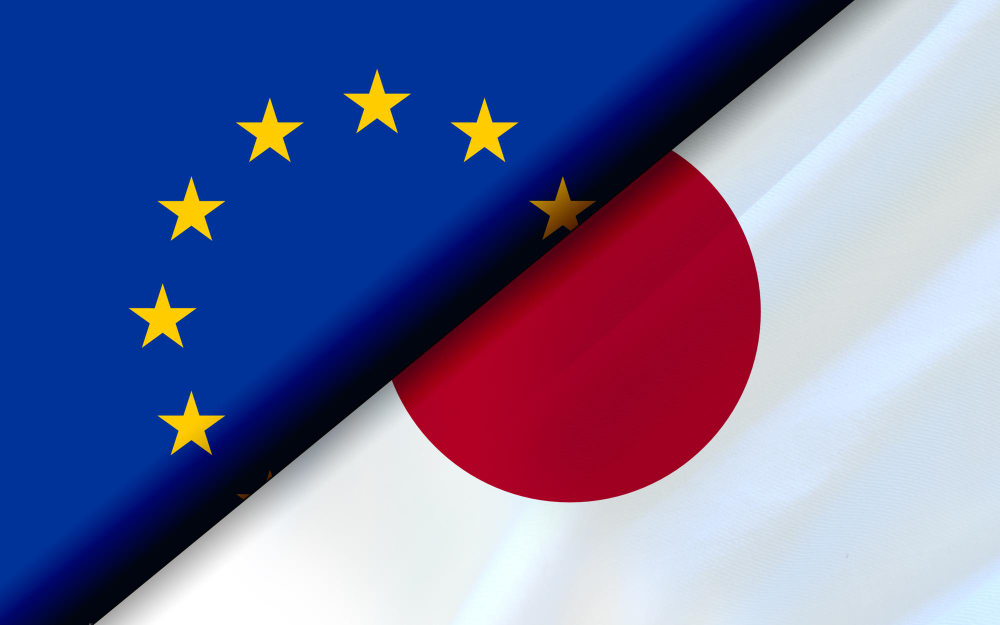
The European Union and Japan have agreed to expand cooperation across key digital sectors, including AI, data governance, quantum technologies, semiconductors, and digital infrastructure. The agreement was reached during the fourth meeting of the EU-Japan Digital Partnership Council in Brussels.
Discussions focused on improving cross-border data flows and developing interoperable digital identity systems. Both sides also committed to strengthening joint research, improving coordination on platform regulation, and reinforcing digital infrastructure to support economic growth and technological sovereignty.
Cooperation under the EU-Japan Digital Partnership Council is increasingly being positioned as a strategic framework for advancing innovation, securing supply chains in critical technologies, and strengthening global competitiveness in the digital economy.
Alongside these broader commitments, the European Commission and Japan’s Ministry of Internal Affairs and Communications signed a cooperation arrangement to reinforce enforcement of digital platform regulation.
The agreement is intended to support implementation of the EU’s Digital Services Act and Japan’s Information Distribution Platform Act, with a focus on transparency requirements and notice-and-action systems for illegal or harmful online content.
Both sides will cooperate through expert exchanges, joint training sessions, and shared research to strengthen coordinated oversight of global platforms operating across jurisdictions.
Why does it matter?
The agreement strengthens regulatory alignment between two major digital economies, reducing fragmentation in the governance of emerging technologies and online platforms. Closer cooperation on AI, data, and platform rules could create more predictable conditions for innovation while also addressing risks linked to cross-border digital services. More broadly, it points to a shift towards coordinated international governance of critical technologies that increasingly shape economic security and digital sovereignty.
Would you like to learn more about AI, tech, and digital diplomacy? If so, ask our Diplo chatbot!