
Google launches new method to predict flash floods
A new AI method forecasts urban flash floods up to 24 hours ahead, using public reports to improve preparedness and response.
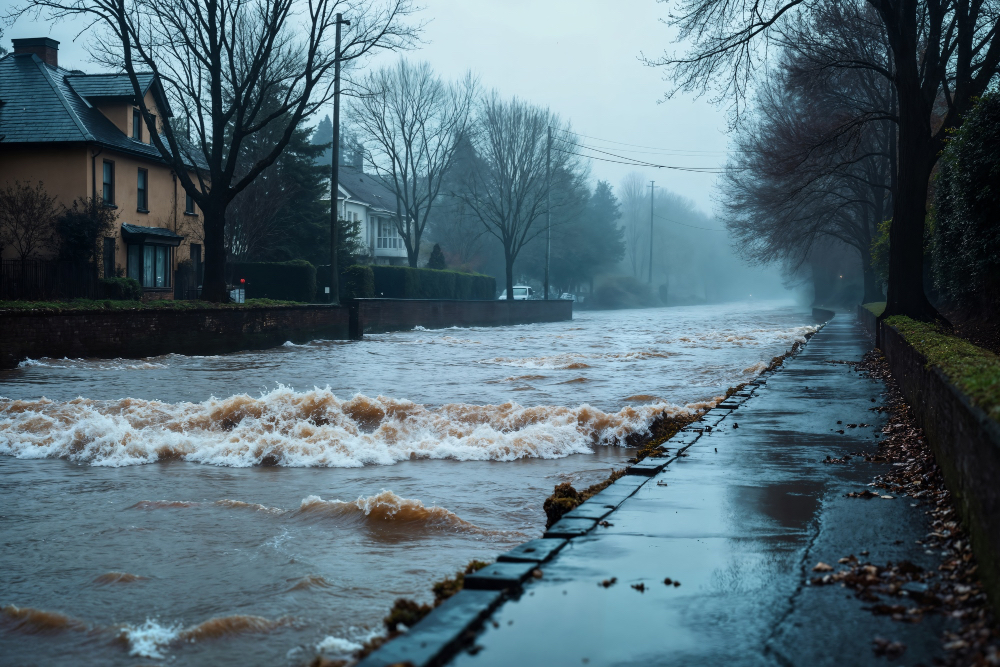
Groundsource, a new AI methodology developed by Google, transforms millions of public reports into a high-quality dataset to support disaster prediction. Using Gemini, the system analysed decades of public records and identified over 2.6 million urban flash flood events in more than 150 countries.
Geographic boundaries were mapped using Google Maps to create a precise historical record.
The dataset was used to train a model capable of forecasting urban flash floods up to 24 hours in advance. Predictions are now available through Google’s Flood Hub, alongside existing riverine flood forecasts covering two billion people globally.
The initiative aims to improve preparedness and help communities respond before disasters strike.
Groundsource offers an open-source benchmark for scientists and partners, particularly benefiting urban areas that previously lacked flash flood data. Google highlighted that the methodology could be expanded to other disasters, such as landslides and heat waves, turning public reports into actionable datasets.
By turning public information into predictive models, Groundsource not only analyses the past but also strengthens resilience for the future, helping communities worldwide anticipate and prepare for disasters more effectively.
Would you like to learn more about AI, tech and digital diplomacy? If so, ask our Diplo chatbot!