
EU faces tension over potential ban on AI ‘pornification’
Pressure grows on EU parliamentarians to act on AI pornification, yet disagreements over scope and proportionality persist, preventing a decisive agreement.
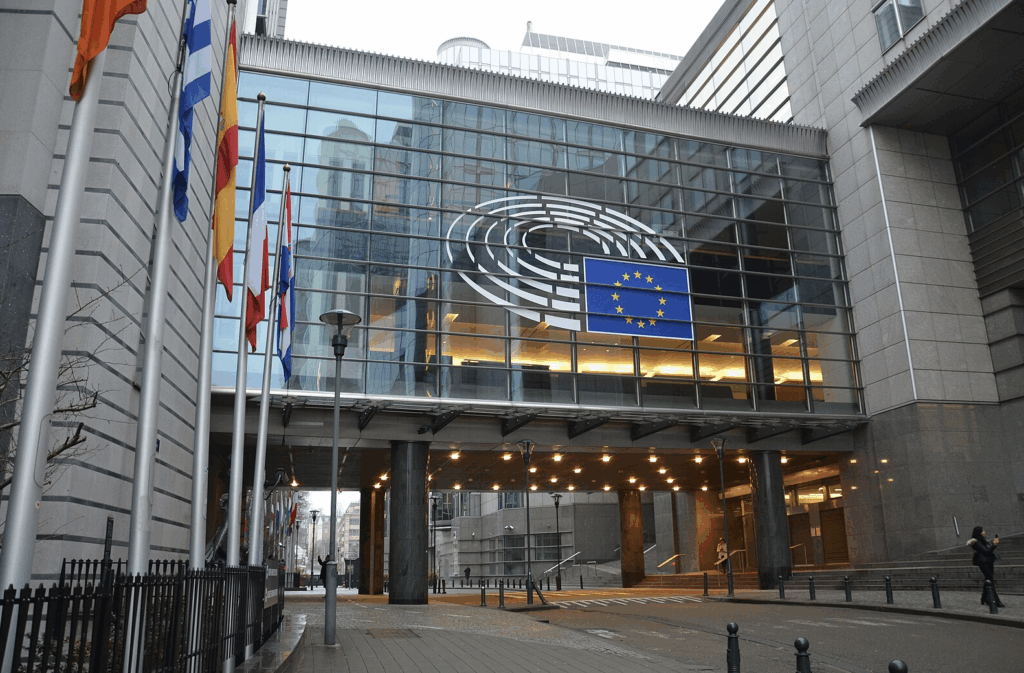
Lawmakers in the European Parliament remain divided over whether a direct ban on AI-driven ‘pornification’ should be added to the emerging digital omnibus.
Left-wing members push for an explicit prohibition, arguing that synthetic sexual imagery generated without consent has created a rapidly escalating form of online abuse. They say a strong legal measure is required instead of fragmented national responses.
Centre and liberal groups take a different position by promoting lighter requirements for industrial AI and seeking clarity on how any restrictions would interact with the AI Act.
They warn that an unrefined ban could spill over into general-purpose models and complicate enforcement across the European market. Their priority is a more predictable regulatory environment for companies developing high-volume AI systems.
Key figures across the political spectrum, including lawmakers such as Assita Kanko, Axel Voss and Brando Benifei, continue to debate how far the omnibus should go.
Some argue that safeguarding individuals from non-consensual sexual deepfakes must outweigh concerns about administrative burdens, while others insist that proportionality and technical feasibility need stronger assessment.
The lack of consensus leaves the proposal in a delicate phase as negotiations intensify. Lawmakers now face growing public scrutiny over how Europe will respond to the misuse of generative AI.
A clear stance from the Parliament is still pending, rather than an assured path toward agreement.
Would you like to learn more about AI, tech and digital diplomacy? If so, ask our Diplo chatbot!