
Why young people across South Asia turn to AI
Experts warn that unchecked AI use among children and young people in South Asia may deepen emotional dependence and weaken social bonds, as schools and families struggle to keep pace.
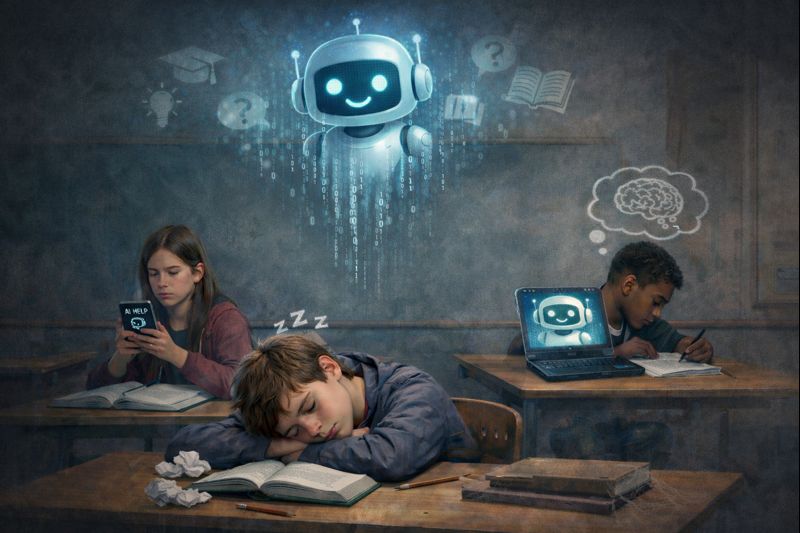
Children and young adults across South Asia are increasingly turning to AI tools for emotional reassurance, schoolwork and everyday advice, even while acknowledging their shortcomings.
Easy access to smartphones, cheap data and social pressures have made chatbots a constant presence, often filling gaps left by limited human interaction.
Researchers and child safety experts warn that growing reliance on AI risks weakening critical thinking, reducing social trust and exposing young users to privacy and bias-related harms.
Studies show that many children understand AI can mislead or oversimplify, yet receive little guidance at school or home on how to question outputs or assess risks.
Rather than banning AI outright, experts argue for child-centred regulation, stronger safeguards and digital literacy that involves parents, educators and communities.
Without broader social support systems and clear accountability from technology companies, AI risks becoming a substitute for human connection instead of a tool that genuinely supports learning and wellbeing.
Would you like to learn more about AI, tech and digital diplomacy? If so, ask our Diplo chatbot!