
Cambridge researchers warn AI toys misread children’s emotions
Experts call for safety standards for AI toys after research showed current systems often confuse children’s emotions and pretend play.
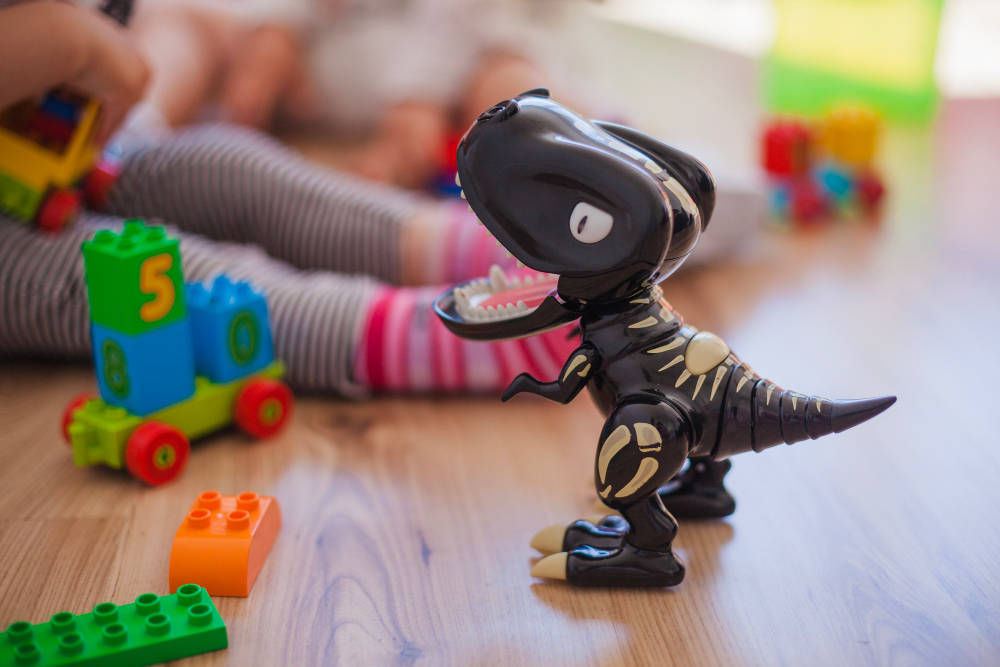
AI toys for young children may misread emotions and respond inappropriately, according to a study by researchers at the University of Cambridge. Developmental psychologists observed interactions between children aged three to five and conversational AI-powered toys.
Findings showed the toys often struggled with pretend play and emotional cues. In several cases, children attempted to express sadness or initiate imaginative scenarios, while the AI responded with unrelated or overly scripted replies, leaving emotional signals unrecognised.
Researchers warned that such limitations could affect children’s emotional development and imaginative play. Early years practitioners also raised concerns about how toy-collected conversation data may be used and whether children could start treating the devices as trusted companions.
The study calls for stronger regulation and the introduction of safety certification for AI toys aimed at young children. Toy developer Curio stated that improving AI interactions and maintaining parental controls remain priorities as the technology continues to develop.
Would you like to learn more about AI, tech and digital diplomacy? If so, ask our Diplo chatbot!