
Philips launches AI-powered spectral CT system
Spectral CT with AI enables clinicians to differentiate tissues more accurately, supporting higher diagnostic confidence and potentially reducing invasive procedures.
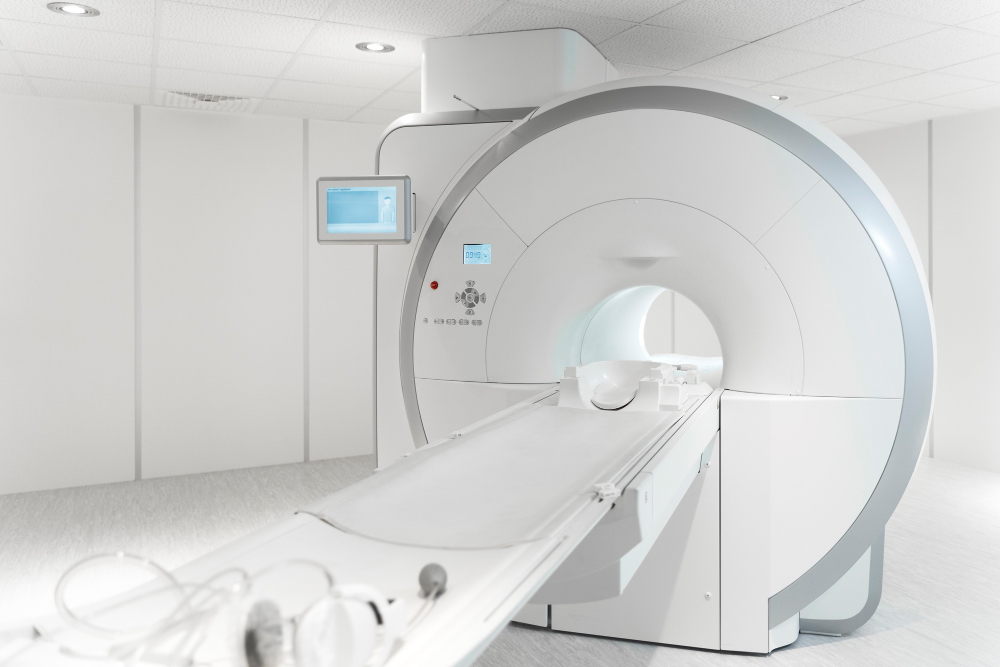
Philips has unveiled Verida, the world’s first detector-based spectral CT fully powered by AI. The system integrates AI across the imaging chain, enhancing image quality, lowering system noise, and streamlining clinical workflow for faster, more precise diagnostics.
Spectral CT allows tissues to be distinguished based on how they absorb different x-ray energies, providing insights that conventional scans cannot. Verida reconstructs 145 images per second, completing exams in under 30 seconds, allowing up to 270 scans daily with lower doses and up to 45% less energy use.
Clinicians are already seeing benefits, especially in cardiac imaging. Prof. Eliseo Vañó Galván, Chairman of CT & MR at Hospital Nuestra. Sra. Del Rosario in Madrid, said the system could boost confidence, reduce invasive procedures, and expand spectral imaging.
Built for high-demand environments, Verida combines AI-driven reconstruction with Philips’ Nano-panel dual-layer detector and proprietary Spectral Precise Image technology. The system is CE-marked and 510k pending, with availability in select markets expected in 2026.
Would you like to learn more about AI, tech and digital diplomacy? If so, ask our Diplo chatbot!