
When grief meets AI
Digital afterlife technology is allowing artificial intelligence to recreate the voices and personalities of deceased people, raising emotional and ethical questions.
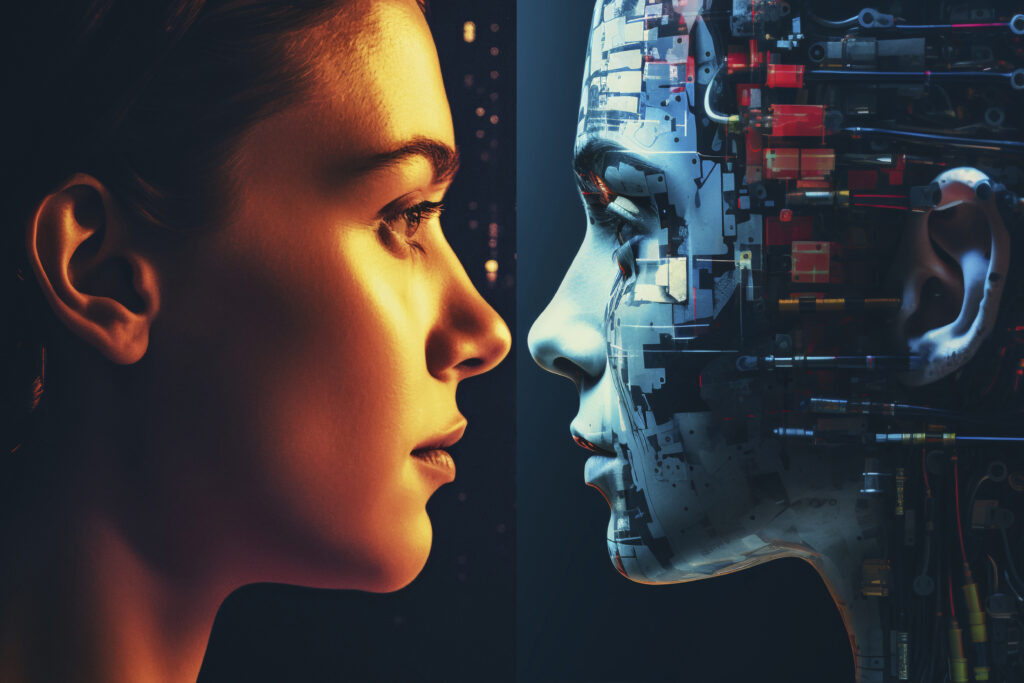
AI is now being used to create ‘deathbots’, chatbots designed to mimic people after they die using their messages and voice recordings. The technology is part of a growing digital afterlife industry, with some people using it to maintain a sense of connection with loved ones who have passed away.
Researchers at Cardiff University studied how these systems recreate personalities using digital data such as texts, emails, and audio recordings. The findings described the experience as both fascinating and unsettling, raising questions about memory, identity, and emotional impact.
Tests showed current deathbots often fail to accurately reproduce voices or personalities due to technical limitations. Researchers warned that these systems rely on simplified versions of people, which may distort memories rather than preserve them authentically.
Experts believe the technology could improve, but remain uncertain whether it will become widely accepted. Concerns remain about emotional consequences and whether digital versions could alter how people remember those who have died.
Would you like to learn more about AI, tech, and digital diplomacy? If so, ask our Diplo chatbot!