
UAE deploys AI ecosystem to support climate-vulnerable agriculture
An AI ecosystem launched in Abu Dhabi targets climate adaptation for farmers across the Global South.
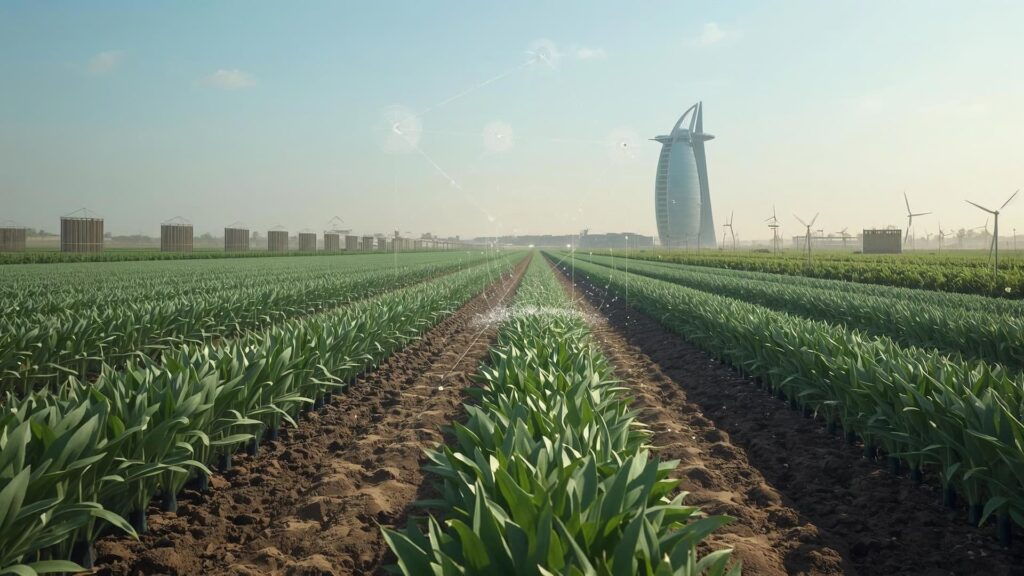
The United Arab Emirates has launched an AI-driven ecosystem to help climate-vulnerable agricultural regions adapt to increasingly volatile weather. The initiative reinforces the country’s ambition to position itself as a global hub for applied AI in climate resilience and food security.
Unveiled in Abu Dhabi, the programme builds on a US$200m partnership with the Gates Foundation announced during COP28. It reflects a shift from climate pledges toward deployable technology as droughts, floods and heat stress intensify pressure on agriculture, particularly in the Global South.
At the core is an integrated ecosystem linking scientific research, AI model development and digital advisory tools with large-scale deployment. Rather than isolated pilots, the programmes are designed to translate data into practical tools used directly by governments, NGOs and farmers.
Abu Dhabi is positioning itself as a hub for agricultural AI through the CGIAR AI Hub and a new institute at Mohamed bin Zayed University of Artificial Intelligence. The ecosystem also includes AgriLLM, an open-source model trained on agricultural and climate data.
Delivery is supported by AIM for Scale, a joint UAE–Gates Foundation initiative expanding AI-powered weather forecasting in data-scarce regions. In India, AI-enabled monsoon forecasts reached an estimated 38 million farmers in 2025, with further deployments planned.
Would you like to learn more about AI, tech, and digital diplomacy? If so, ask our Diplo chatbot!