
SpaceX plans raise fears over AI monopoly
Control over future space-based computing systems could quietly determine which nations and companies hold the most influence in the global artificial intelligence economy.
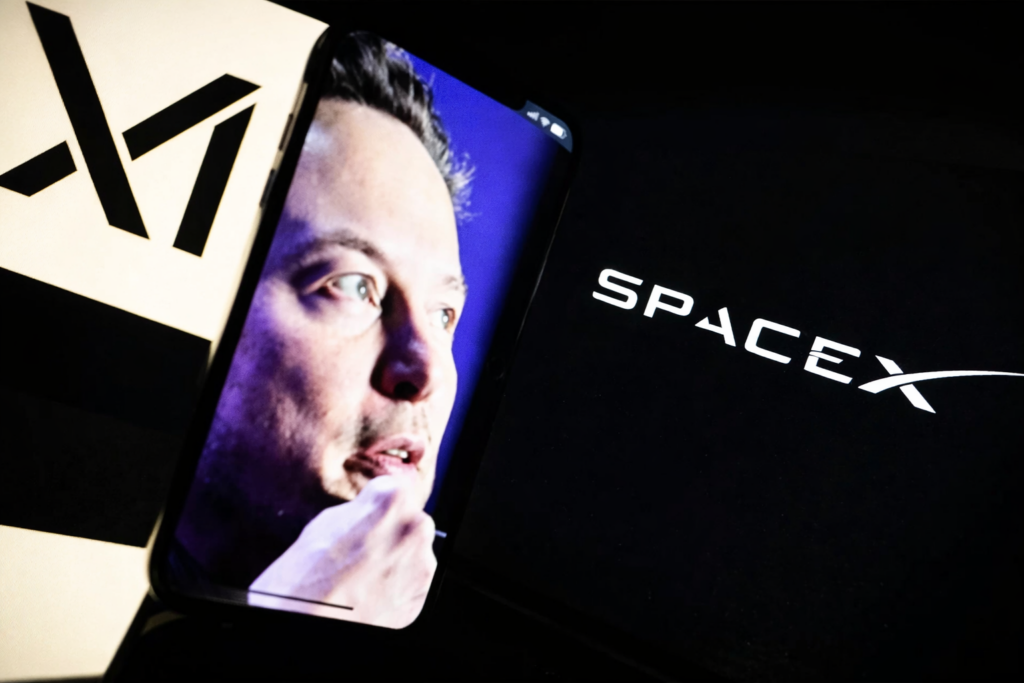
Elon Musk’s move to integrate SpaceX with his AI company xAI is strengthening plans to develop data centres in orbit. Experts warn that such infrastructure could give one company or country significant control over global AI and cloud computing.
Fully competitive orbital data centres remain at least 20 years away due to launch costs, cooling limits, and radiation damage to hardware. Their viability depends heavily on Starship achieving fully reusable, low-cost launches, which remain unproven.
Interest in space computing is growing because constant solar energy could dramatically reduce AI operating costs and improve efficiency. China has already deployed satellites capable of supporting computing tasks, highlighting rising global competition.
European specialists warn that the region risks becoming dependent on US cloud providers that operate under laws such as the US Cloud Act. Without coordinated investment, control over future digital infrastructure and cybersecurity may be decided by early leaders.
Would you like to learn more about AI, tech, and digital diplomacy? If so, ask our Diplo chatbot!