
European banks create Qivalis to develop MiCAR-compliant euro stablecoin
The initiative reflects a broader push by European financial institutions to strengthen monetary autonomy through a regulated euro stablecoin, while integrating blockchain-based infrastructure into traditional banking systems.
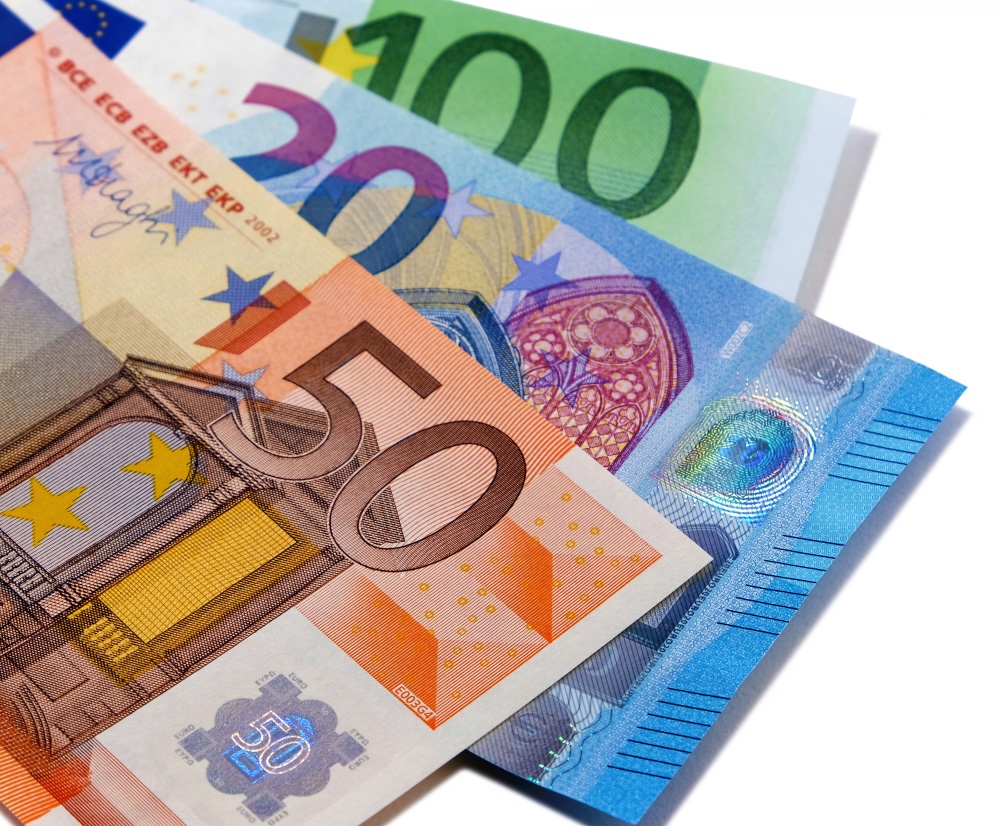
A consortium of leading European banks has established Qivalis, an Amsterdam-based joint venture that plans to issue a regulated euro-denominated stablecoin under the EU’s MiCAR framework.
Qivalis is working towards authorisation and supervision by the Dutch Central Bank as an Electronic Money Institution. The project follows an earlier announcement in September 2025 that nine major banks had joined forces to develop a MiCAR-compliant issuer of a euro stablecoin. BNP Paribas later joined the consortium, expanding institutional participation.
The participating banks include Banca Sella, CaixaBank, Danske Bank, DekaBank, ING, KBC, Raiffeisen Bank International, SEB, UniCredit and BNP Paribas. The initiative is positioned as a banking-led effort to create a regulated euro stablecoin for digital payments and on-chain financial activity.
Governance arrangements have also been formalised. Jan-Oliver Sell has been appointed CEO, Floris Lugt will serve as CFO, and Sir Howard Davies has been named Chairman of the Supervisory Board. All appointments remain subject to regulatory approval.
Qivalis plans to launch the euro-denominated stablecoin in the second half of 2026, subject to regulatory approval. The stablecoin is designed to support 24/7 cross-border payments, programmable payments, supply-chain management and digital asset settlement, including tokenised assets and cryptocurrencies.
Project leaders framed the initiative as a way to strengthen Europe’s role in the digital economy while embedding regulatory compliance, financial stability and data protection standards into future digital money infrastructure.
Why does it matter?
Qivalis shows how stablecoin development is moving beyond crypto-native companies and into the regulated banking sector. A MiCAR-compliant euro stablecoin backed by major European banks could strengthen Europe’s position in digital payments, programmable finance and tokenised asset settlement, while offering a regulated alternative to dollar-dominated stablecoins. Its impact will depend on regulatory approval, market adoption and whether banks can make blockchain-based payment rails useful at scale.
Would you like to learn more about AI, tech, and digital diplomacy? If so, ask our chatbot!