
Musk’s X under EU Commission scrutiny over Grok sexualised images
The investigation, launched by the European Commission under the Digital Services Act, follows similar inquiries by the UK’s Ofcom and temporary blocks in Indonesia, the Philippines, and Malaysia.
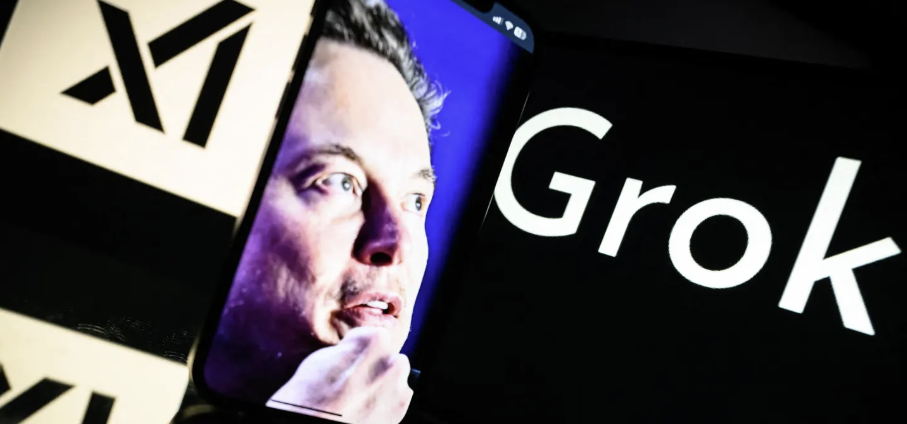
The European Commission has opened a new investigation into Elon Musk’s X over Grok, the platform’s AI chatbot, after reports that the tool was used to generate and circulate non-consensual sexualised images, including content that may involve minors. The EU officials say they will examine whether X properly assessed and reduced the risks linked to Grok’s features before rolling them out in the EU.
The case is being pursued under the EU’s Digital Services Act (DSA), which requires very large online platforms to identify and mitigate systemic risks, including the spread of illegal content and harms to fundamental rights. If breaches are confirmed, the Commission can impose fines of up to 6% of a provider’s global annual turnover and, in some cases, require interim measures.
X and xAI have said they introduced restrictions after the backlash, including limiting some image-editing functions and blocking certain image generation in jurisdictions where it is illegal. The EU officials have welcomed steps to tighten safeguards but argue they may not address deeper, systemic risks, particularly if risk assessments and mitigations were not in place before deployment.
The Grok probe lands on top of a broader set of legal pressures already facing X. In the UK, Ofcom has opened a formal investigation under the Online Safety Act into whether X met its duties to protect users from illegal content linked to Grok’s sexualised imagery. Beyond Europe, Malaysia and Indonesia temporarily blocked Grok amid safety concerns, and access was later restored after authorities said additional safeguards had been put in place.
In parallel, the EU regulators have also widened scrutiny of X’s recommender systems, an area already under DSA proceedings, because the platform has moved toward using a Grok-linked system to rank and recommend content. The Commission has argued that recommendation design can amplify harmful material at scale, making it central to whether a platform effectively manages systemic risks.
The investigation also comes amid earlier DSA enforcement. The Commission recently fined X €120 million for transparency-related breaches, underscoring that the EU action is not limited to content moderation alone but extends to how platforms disclose and enable scrutiny of their systems.
Would you like to learn more about AI, tech and digital diplomacy? If so, ask our Diplo chatbot!