
New MIT system turns creative AI models into durable objects
Users can specify materials and load conditions, allowing rapid optimisation of objects that are ready for 3D printing within seconds.
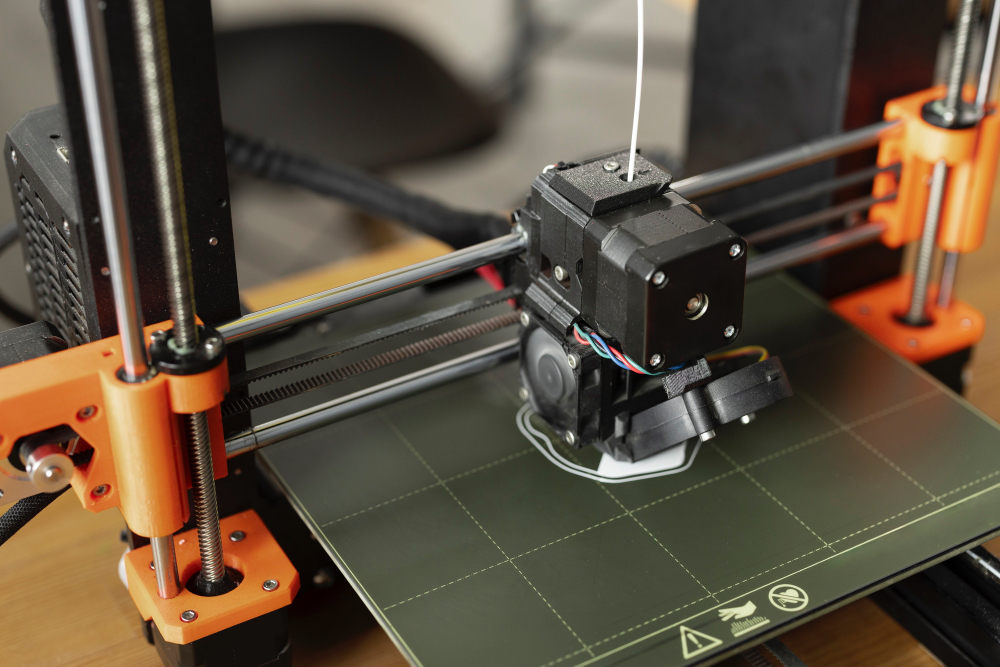
Researchers at MIT have introduced a system designed to close the gap between imaginative AI designs and everyday-use objects.
The tool, known as MIT Computer Science and Artificial Intelligence Laboratory’s PhysiOpt, combines generative AI with physics simulations to produce 3D models that are both visually appealing and structurally reliable.
Generative models often produce complex shapes that fail in real-world use due to instability or material limitations. PhysiOpt uses finite element analysis to stress-test designs and identify weak points, while preserving their intended look and function.
Users can input an item, its load, and material, letting the system optimise designs like cups or hooks in seconds. Researchers say the system works faster than other methods while creating more realistic, 3D-print-ready designs.
Development continues with plans to automate constraint prediction and improve manufacturing compatibility. The project, supported by the MIT-IBM Watson AI Lab, was presented at SIGGRAPH Asia, highlighting its potential to streamline the path from concept to physical product.
Would you like to learn more about AI, tech and digital diplomacy? If so, ask our Diplo chatbot!