
Microsoft outlines challenges in verifying AI-generated media
Researchers from Microsoft warn that subtle edits can make real content seem fake or vice versa, emphasising the need for reliable media provenance.
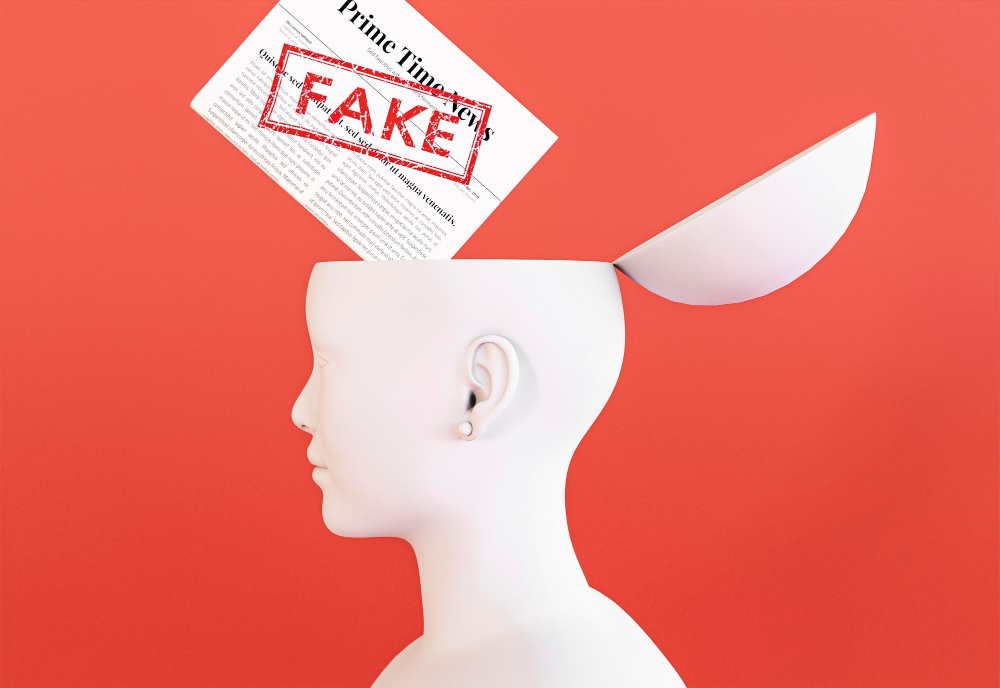
In an era of deepfakes and AI-manipulated content, determining what is real online has become increasingly complex. Microsoft’s report Media Integrity and Authentication reviews current verification methods, their limits, and ways to boost trust in digital media.
The study emphasises that no single solution can prevent digital deception. Techniques such as provenance tracking, watermarking, and digital fingerprinting can provide useful context about a media file’s origin, creation tools, and whether it has been altered.
Microsoft has pioneered these technologies, cofounding the Coalition for Content Provenance and Authenticity (C2PA) to standardise media authentication globally.
The report also addresses the risks of sociotechnical attacks, where even subtle edits can manipulate authentication results to mislead the public.
Researchers explored how provenance information can remain durable and reliable across different environments, from high-security systems to offline devices, highlighting the challenge of maintaining consistent verification.
As AI-generated or edited content becomes commonplace, secure media provenance is increasingly important for news outlets, public figures, governments, and businesses.
Reliable provenance helps audiences spot manipulated content, with ongoing research guiding clearer, practical verification displays for the public.
Would you like to learn more about AI, tech and digital diplomacy? If so, ask our Diplo chatbot!