
Microsoft expands protections against AI-generated intimate imagery
Stronger reporting tools arrive as Microsoft tackles synthetic intimate imagery.
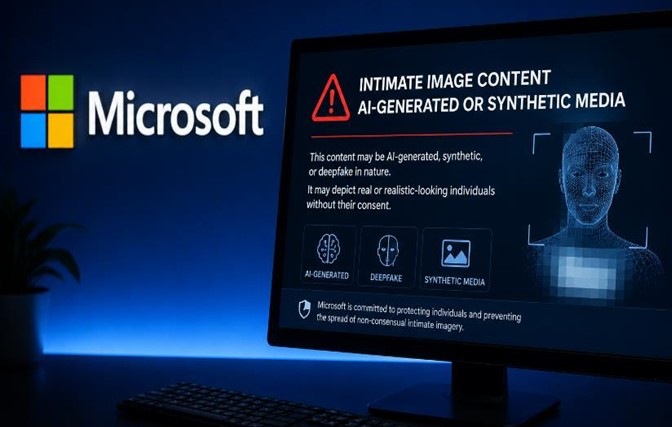
Microsoft has announced new measures aimed at combating non-consensual intimate imagery (NCII), including both authentic and AI-generated content. The company says the changes are designed to make reporting easier for victims, improve detection of harmful content, and strengthen enforcement across Microsoft services.
The initiative comes as the US’s new Take It Down Act enters into force, creating additional legal protections against the distribution of intimate images without consent. Microsoft said both synthetic and authentic NCII can cause significant harm and should be addressed through a unified response.
As part of the update, Microsoft has introduced a redesigned reporting process that allows users to report both real and AI-generated intimate imagery through a simplified global reporting system. The company has also expanded its use of StopNCII.org technology, which creates privacy-preserving digital fingerprints of images to help identify and remove known abusive content across platforms.
Microsoft is further extending the use of validated StopNCII.org hashes across consumer services, including Teams Free, OneDrive and Xbox. The company says it will combine automated detection systems with human review processes while maintaining appeal mechanisms for users affected by moderation decisions.
The company also highlighted broader cooperation with governments, regulators and civil society groups. Microsoft expressed support for the US Take It Down Act, welcomed European efforts targeting AI-powered ‘nudification’ applications, and pointed to upcoming UK Online Safety Act requirements addressing illegal intimate imagery harms.
Why does it matter?
Advances in generative AI have made it easier to create realistic synthetic images, prompting governments and technology companies to strengthen measures against image-based abuse. The announcement reflects a broader trend toward treating AI-generated intimate imagery and authentic non-consensual content under similar safety, moderation and legal frameworks.
The move also highlights growing cooperation between technology companies, regulators and civil society organisations as policymakers develop new approaches to addressing AI-enabled harms online.
Would you like to learn more about AI, tech and digital diplomacy? If so, ask our Diplo chatbot!