
AI travel influencers begin reshaping digital storytelling
Virtual travel influencers are gaining attention, but questions remain about authenticity and emotional connection in AI-generated storytelling.
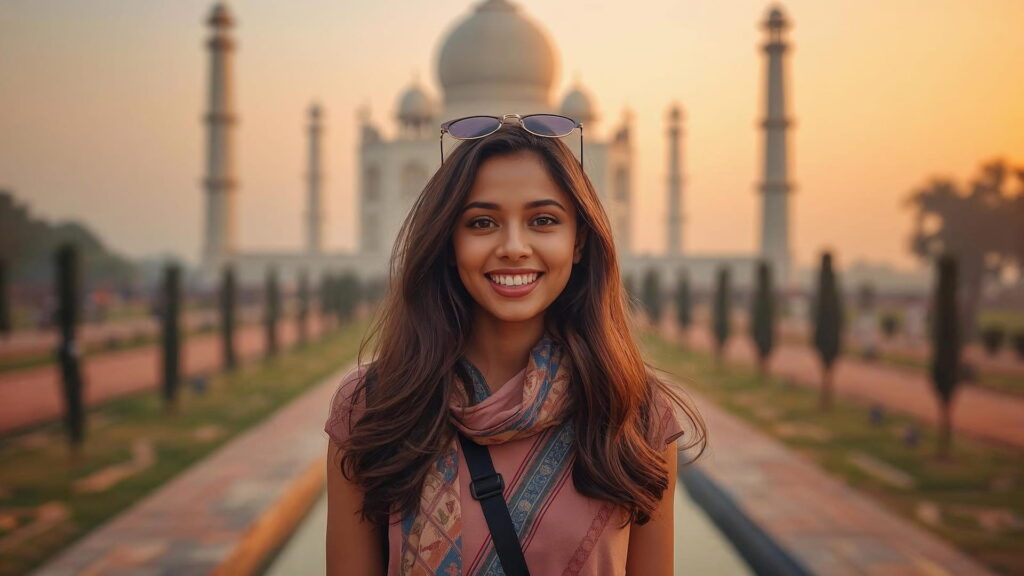
India’s first AI-generated travel influencer, Radhika Subramaniam, has begun attracting sustained audience engagement since her launch in mid-2025, signalling growing acceptance of virtual creators in travel content.
Developed by Collective Artists Network, a talent management company based in India, Radhika initially drew attention through curiosity, but followers increasingly interacted with her posts in ways similar to those of human influencers, according to the company’s leadership.
Industry observers say AI travel influencers offer brands greater efficiency, lower production costs, and more control over storytelling, as virtual creators can be deployed without logistical constraints.
Some creators remain sceptical about whether artificial personas can replicate the emotional authenticity and sensory experiences that shape real-world travel storytelling.
Marketing specialists expect AI and human influencers to coexist, with virtual avatars serving as consistent brand voices while human creators retain value through spontaneity, trust, and personal perspective.
Would you like to learn more about AI, tech, and digital diplomacy? If so, ask our Diplo chatbot!