
Human creativity outperforms AI in new research findings
Study finds human creativity significantly surpasses AI in visual imagination tasks.
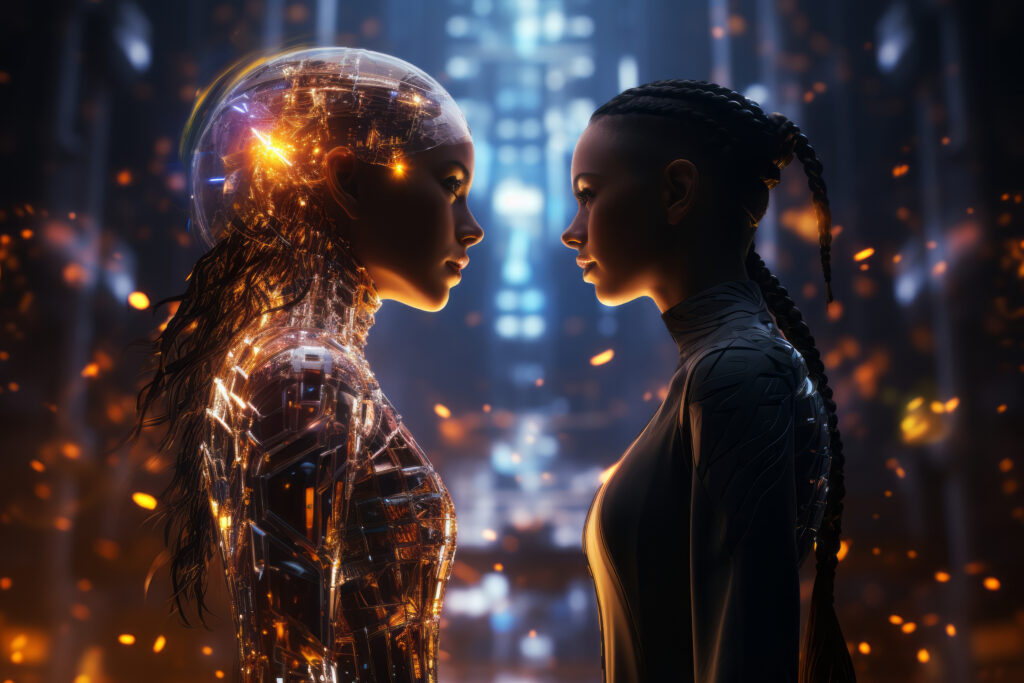
New research challenges assumptions about AI creativity, concluding that human imagination remains significantly more advanced than generative systems.
The study, published in Advanced Science, examined how AI models perform in visual creative tasks compared with both professional artists and non-artists.
Researchers developed an experimental method to assess creativity using abstract visual tasks, comparing human and AI outputs under different conditions.
Results showed a clear hierarchy, with visual artists achieving the highest creativity scores, followed by the general population, while AI models ranked lower, especially when operating without human guidance.
These findings indicate that even when trained on human-created material, AI struggles to replicate originality and imaginative depth.
The study argues that creativity should be analysed as a process rather than judged solely by final outputs. By examining stages from idea generation to execution, researchers found that AI systems rely heavily on human input throughout development and use.
Removing human assistance significantly reduced the quality and originality of AI-generated results, reinforcing the limitations of current generative models.
Overall, the research highlights a persistent gap between human and artificial creativity, suggesting that AI operates more as a tool guided by human direction than as an independent creative agent.
The findings contribute to broader debates in cognitive science and AI, emphasising the continued importance of human involvement in creative processes.
Would you like to learn more about AI, tech and digital diplomacy? If so, ask our Diplo chatbot!