
How AI changed the way Go players think
A game once celebrated as an art form is now shaped by algorithms, raising urgent questions about what it means to play, compete, and create in the age of AI.
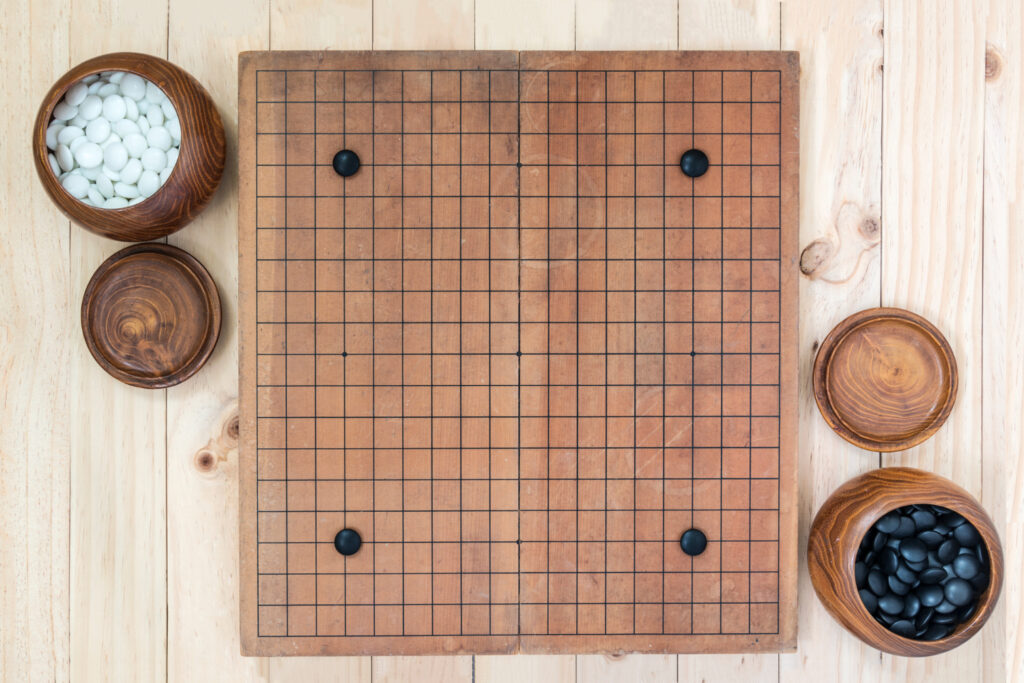
Ten years after AlphaGo defeated South Korean Go champion Lee Sedol, AI has fundamentally transformed how the ancient board game is played and taught.
Professional players now train daily using programmes like KataGo, replicating AI-suggested moves rather than developing their own style, with top-ranked player Shin Jin-seo matching AI’s choices over 37% of the time.
The shift has sparked debate about creativity in the game. AI has rendered centuries-old opening strategies obsolete, replacing them with calculated, uniform moves that many players and fans find repetitive.
Lee Sedol, who retired after his 2016 defeat, described Go as having been an art form, one he believes has been lost to rote imitation.
Yet AI has also opened doors previously closed to many. Female players, historically excluded from elite male training circles, have used AI to level the playing field, with several now reaching the finals of major international tournaments for the first time.
Despite AI’s dominance, fans still prefer watching humans compete, drawn to the personality, mistakes, and comebacks that machines cannot replicate.
Would you like to learn more about AI, tech and digital diplomacy? If so, ask our Diplo chatbot!